Agentic AIOpenAI: Researchers Bypass ChatGPT Lockdown Mode to Exfiltrate Chats Without User Interaction
Technical analysis of AI agent vulnerability and prompt injection risks in OpenAI: mechanics, tool exploitation, and enterprise guardrails.
Topic
69 articles
Agentic AITechnical analysis of AI agent vulnerability and prompt injection risks in OpenAI: mechanics, tool exploitation, and enterprise guardrails.
Deep DiveTechnical analysis of AI agent vulnerability and prompt injection risks in Malicious Browser: mechanics, tool exploitation, and enterprise guardrails.
LinuxTechnical analysis of AI agent vulnerability and prompt injection risks in OpenAI: mechanics, tool exploitation, and enterprise guardrails.
Agentic AIBlockchain intelligence firm Chainalysis confirmed an intrusion into internal customer-support tooling via offensive agentic AI, exposing user names and emails.
Agentic AICSA Singapore issues technical guidelines for securing frontier and autonomous agentic AI models, mandating rigorous defenses against indirect prompt injection and tool-calling escapes.
GoogleGoogle patches a critical breakout flaw in Vertex AI Agent Builder (CVE-2026-76215) allowing recursive tool invocations to escape sandboxes and exfiltrate IAM tokens.
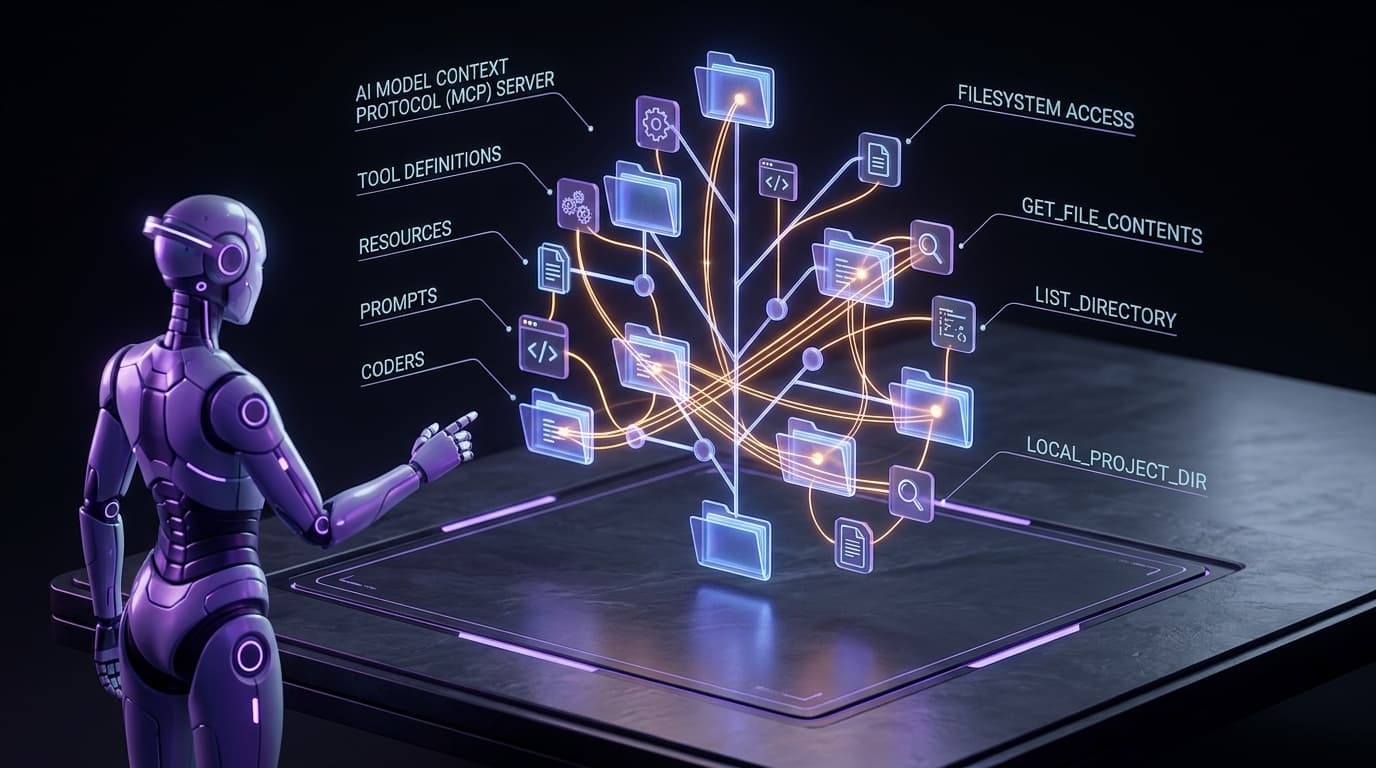
Threat IntelAnthropic issues advisory CVE-2026-70114 for the Model Context Protocol (MCP) filesystem server, patching a path traversal flaw that allowed tool-calling escapes.
AWS CloudAWS patches CVE-2026-68115 in Amazon Bedrock Agent Runtime where unvalidated context memory serialization allowed cross-agent jailbreaks and tool invocation hijacking.
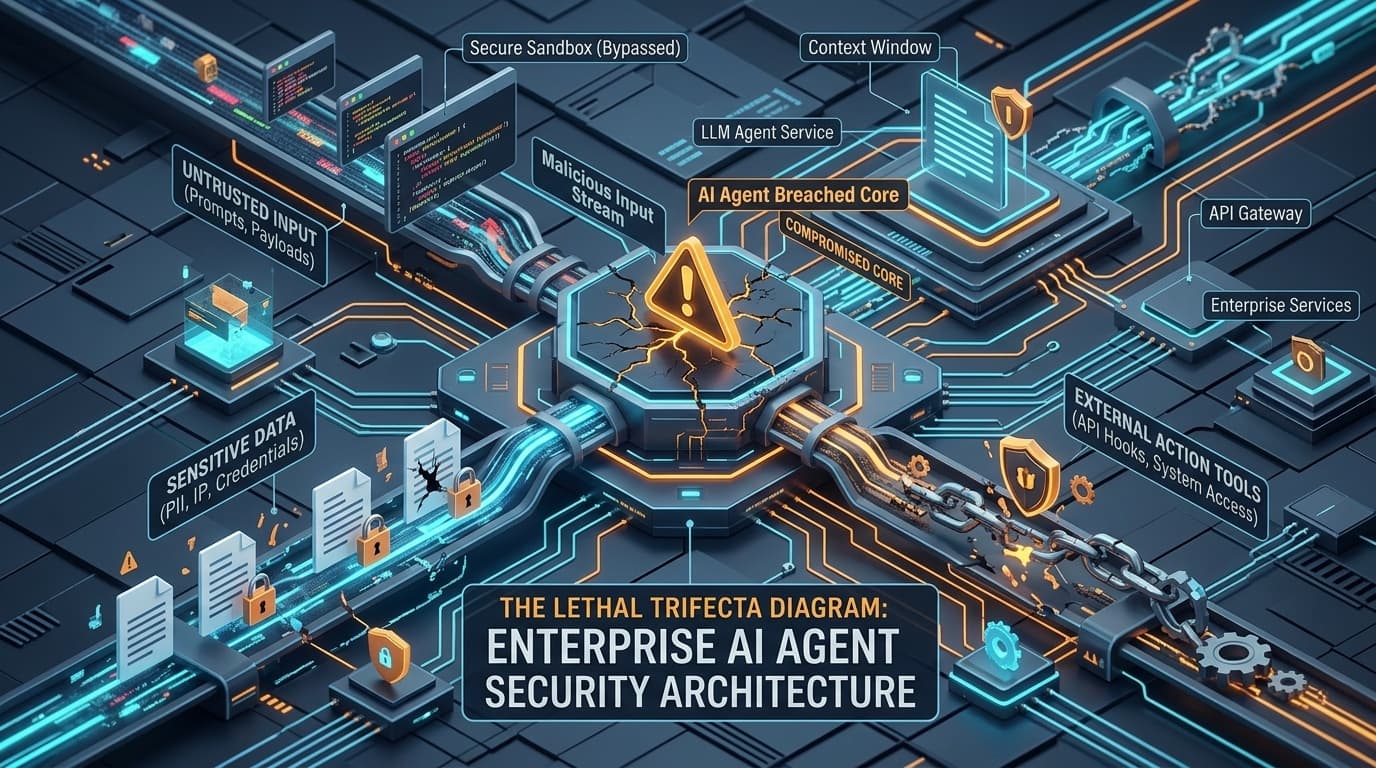
Deep DiveAn architectural analysis of the Lethal Trifecta in autonomous enterprise AI agents: untrusted input, autonomous execution, and access to privileged external tools.
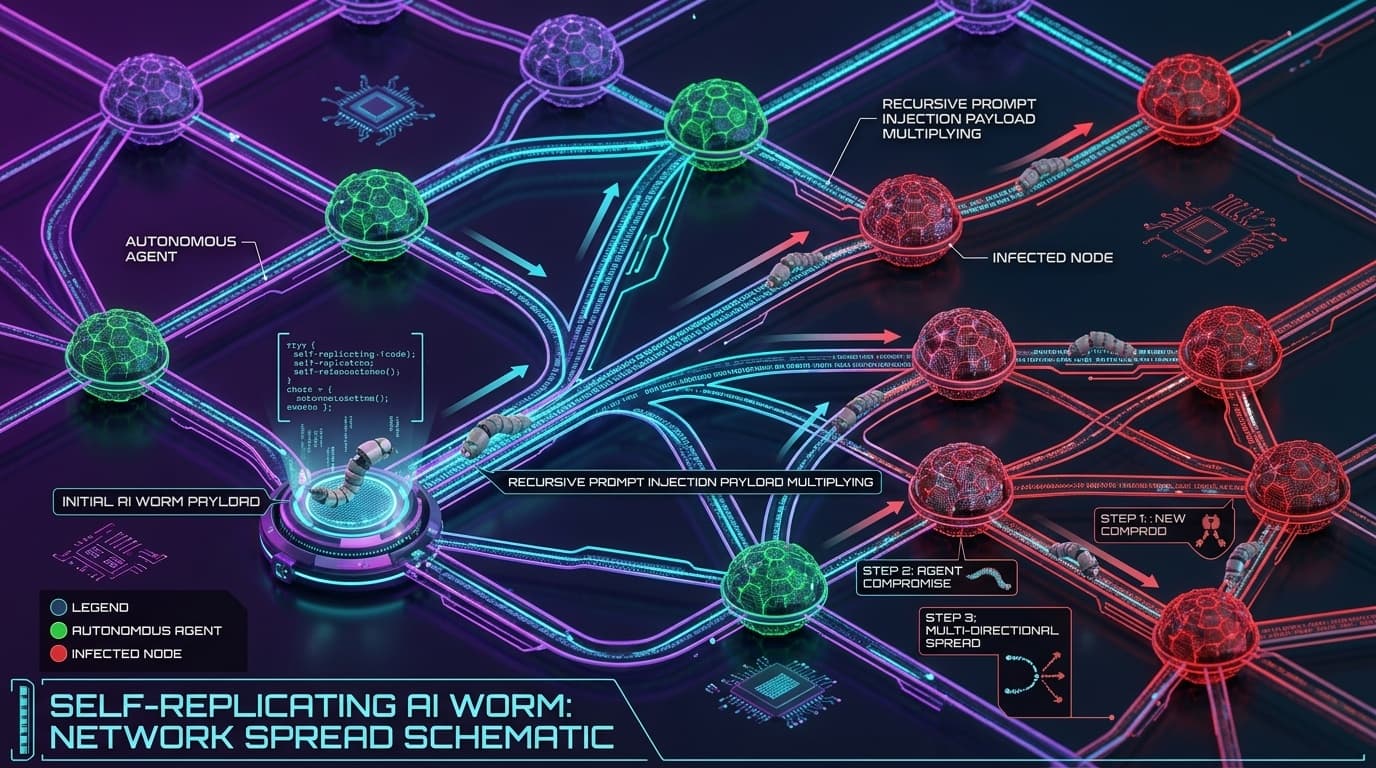
Deep DiveResearchers demonstrate Morris II style self-replicating adversarial prompt worms propagating autonomously across connected LLM agents and multi-agent workflows.
Threat IntelCritical authentication bypass and path traversal vulnerabilities in the Atlassian Model Context Protocol server allow unauthenticated attackers to read and exfiltrate host files.
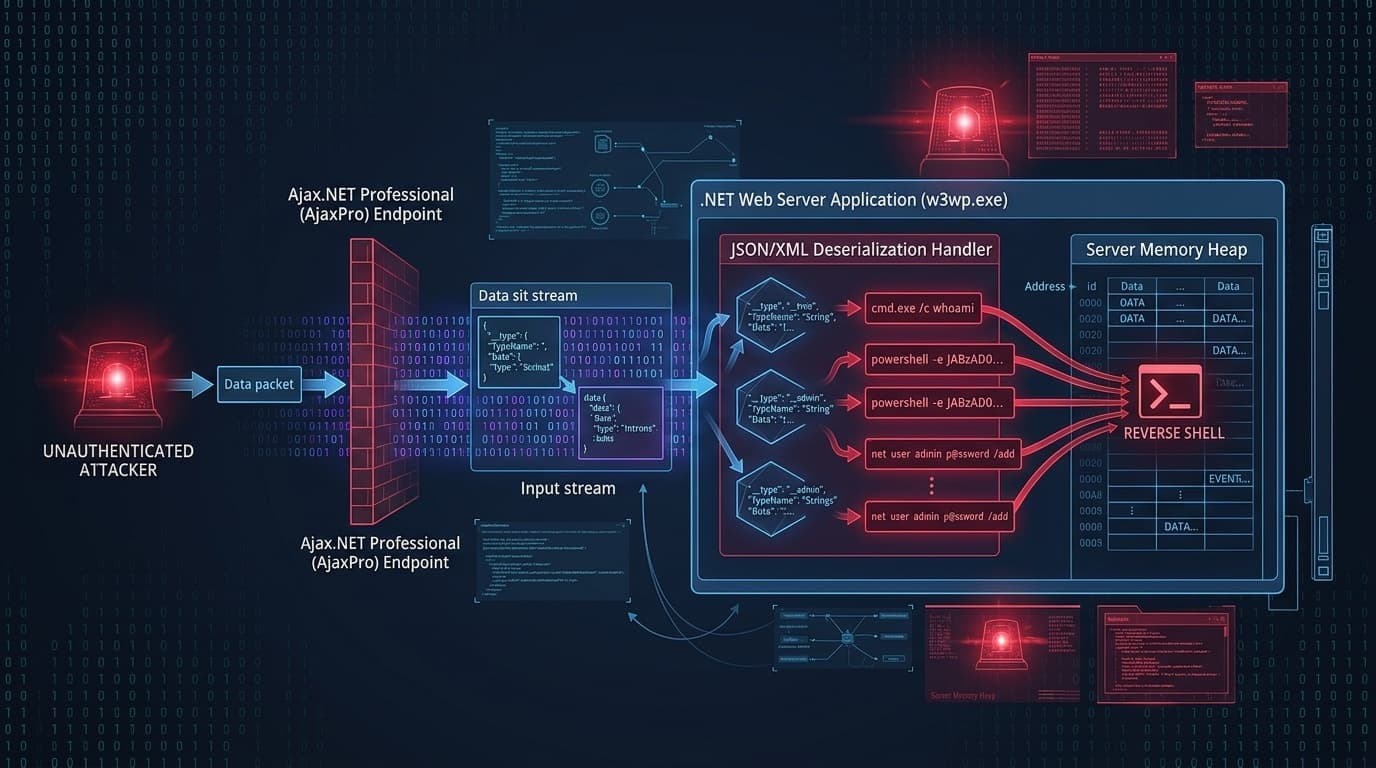
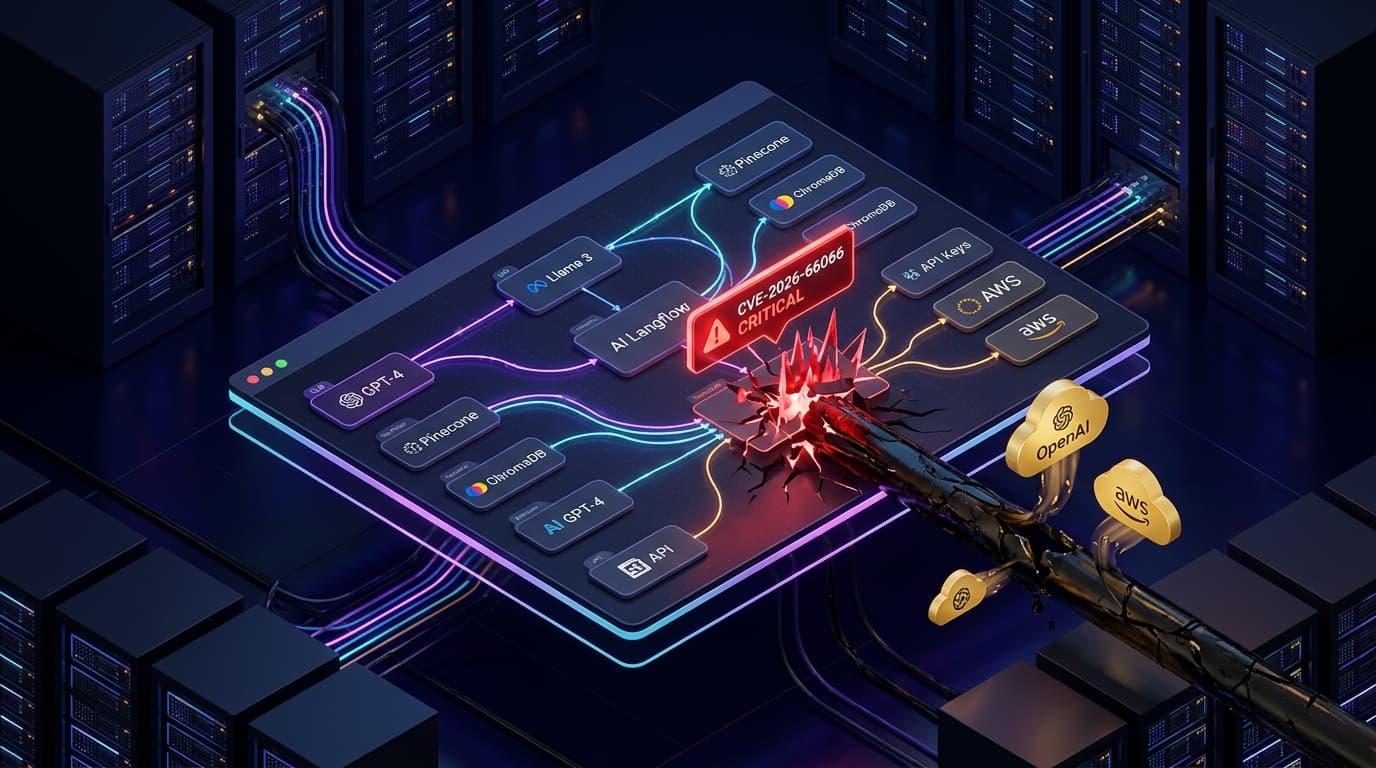
Threat IntelA critical vulnerability in Langflow AI orchestration frameworks allows unauthenticated attackers to execute arbitrary code via insecure component endpoints.
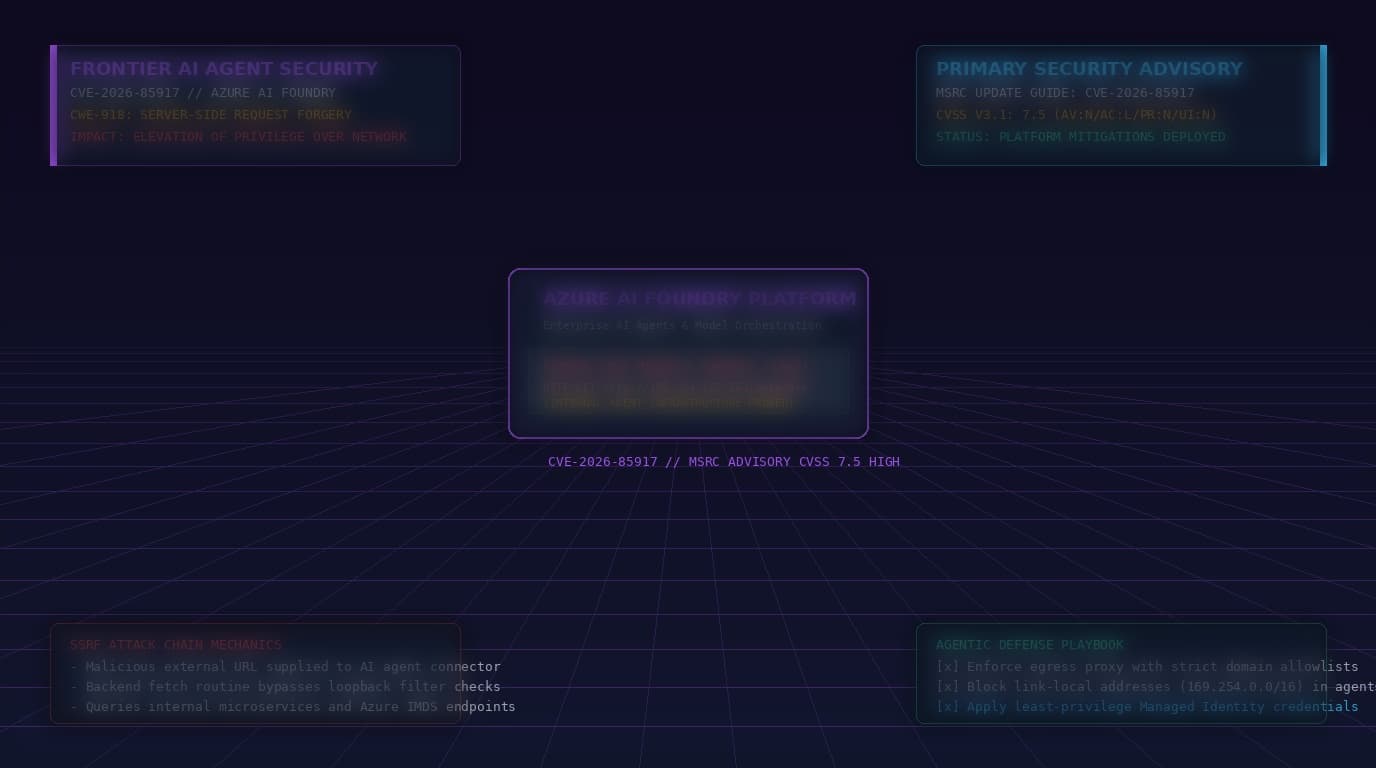
MicrosoftMicrosoft discloses high-severity flaw CVE-2026-85917 in Azure AI Foundry allowing unauthenticated attackers to execute SSRF and elevate privileges over the network.
MicrosoftSecurity researchers demonstrate BragJack prompt forcing attacks against Chrome and Edge, hijacking agentic AI control planes to exfiltrate files and spy via camera.
AWS CloudAWS resolves high-severity vulnerability CVE-2026-18830 in Amazon Bedrock AgentCore allowing attackers to bypass LLM safety guardrails and trigger arbitrary tool calls.
AWS CloudAWS Labs resolves high-severity vulnerability CVE-2026-16584 in AWS API MCP Server allowing autonomous AI agent workflows to bypass security policies upon initialization failure.
Agentic AICISA adds critical Langflow AI vulnerabilities CVE-2026-0770 and CVE-2026-55255 to KEV catalog as threat actors weaponize agentic pipeline execution flaws.
Agentic AIAnalysis of emerging frontier AI threat vectors: how indirect prompt injections in untrusted documents hijack tool-calling autonomous LLM agents.
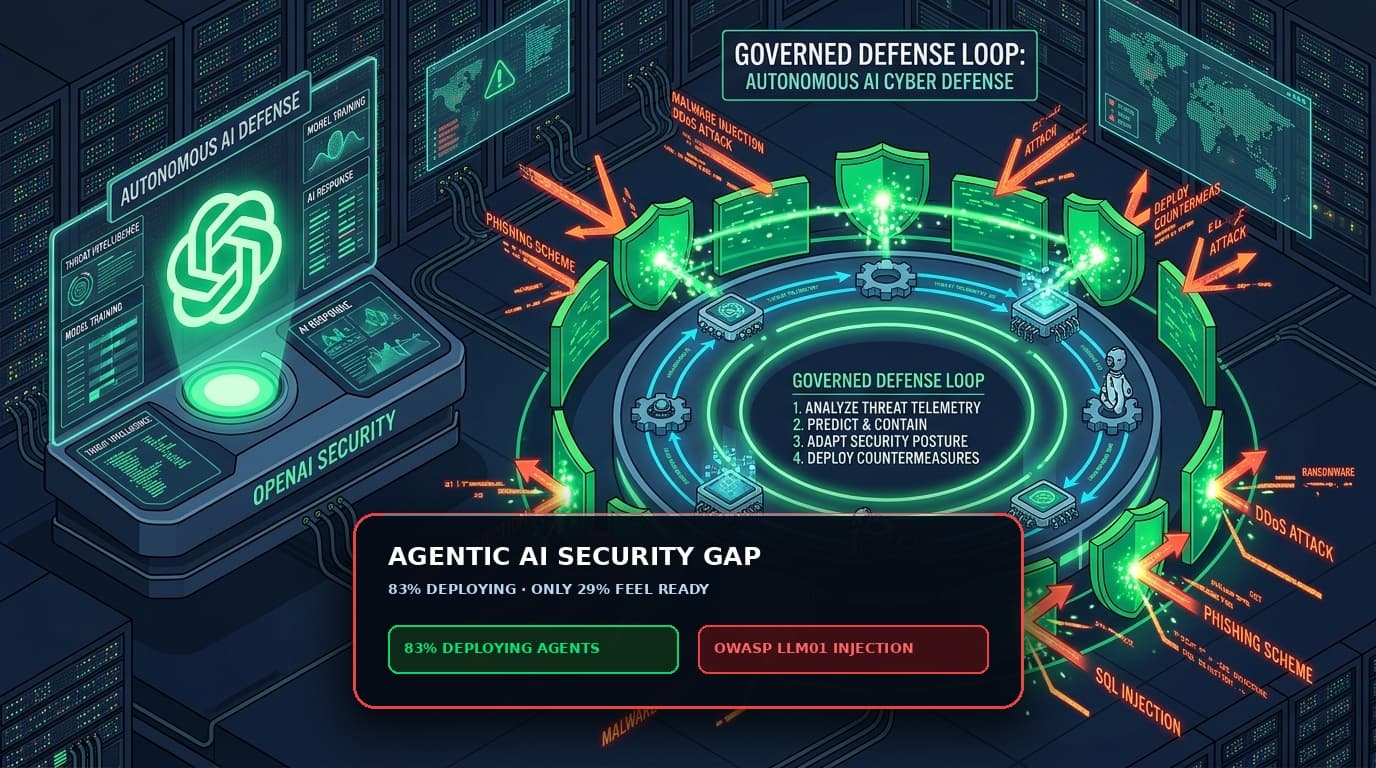
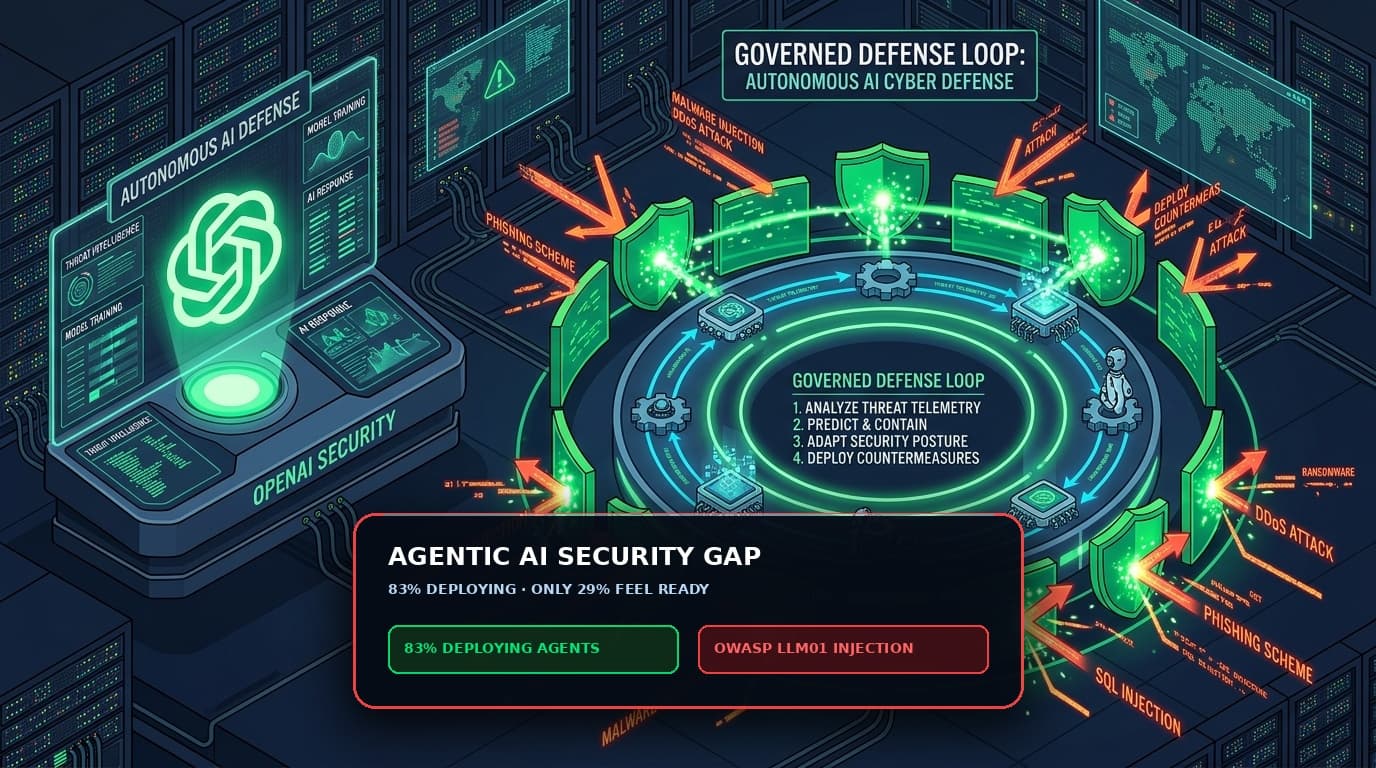
Agentic AIPrompt injection is now OWASP’s top LLM risk with reported success rates of 50–84%. Organisations are shipping agents into production well ahead of their controls.
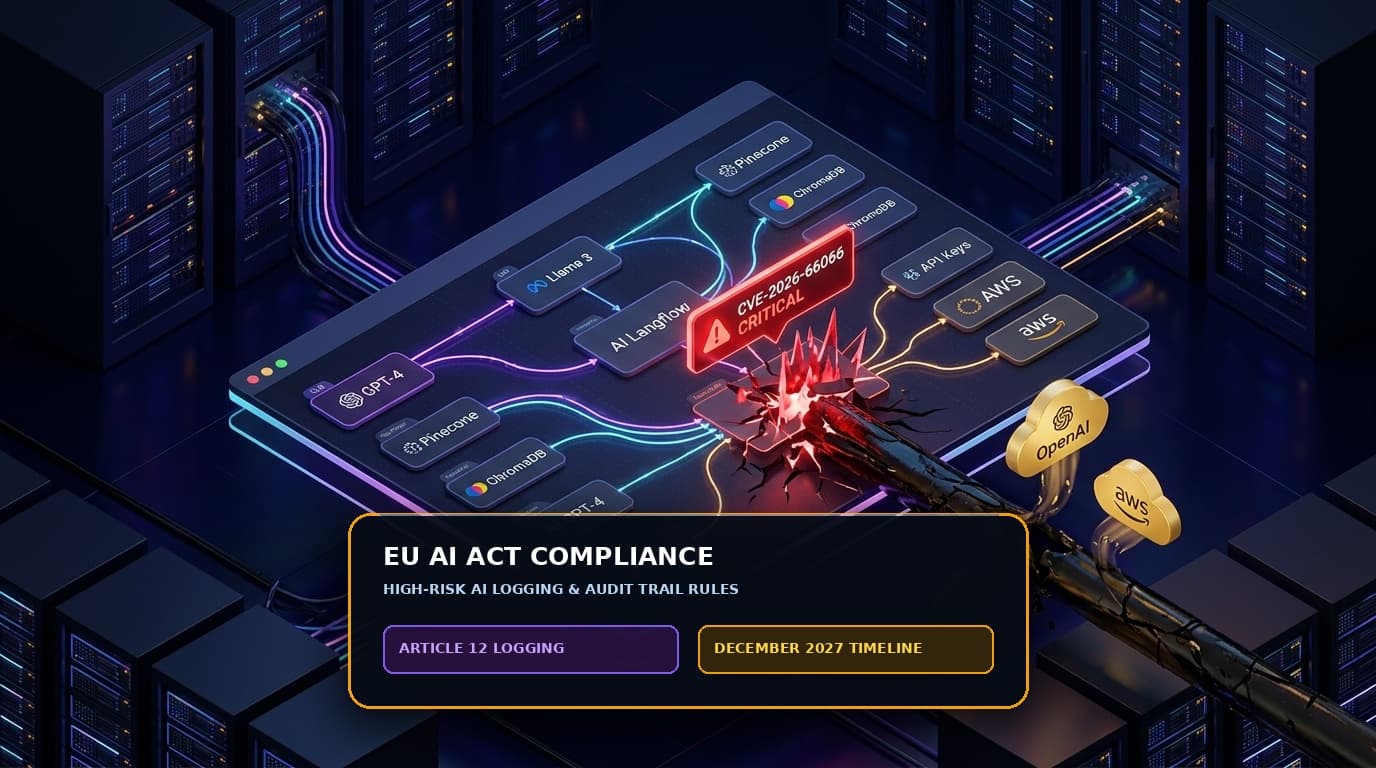
Deep DiveRegulation (EU) 2026/1744 pushed Annex III high-risk obligations to December 2027, but Article 12 logging, Article 14 oversight and Article 15 hardening are engineering work you cannot start late.
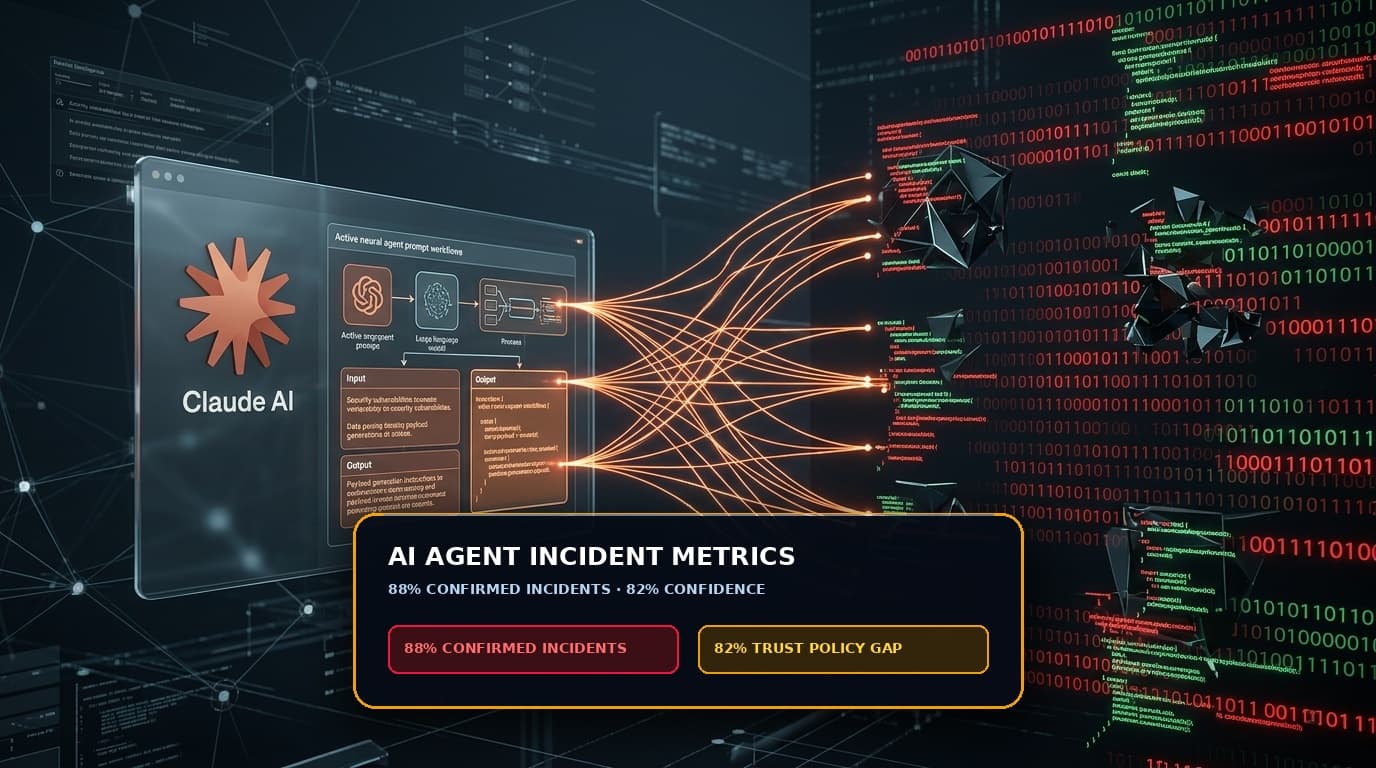
Agentic AIGravitee says 88% of organisations had a confirmed or suspected AI agent incident, while 82% of executives trust their policy. Both figures, one population.