AWS CloudAWS S3 Express One Zone Flaw Allowed Session Token Reuse Across Enclaves
AWS resolves security flaw CVE-2026-75210 in S3 Express One Zone storage class, addressing a session token reuse bug across high-performance compute enclaves.
206 articles
AWS CloudAWS resolves security flaw CVE-2026-75210 in S3 Express One Zone storage class, addressing a session token reuse bug across high-performance compute enclaves.
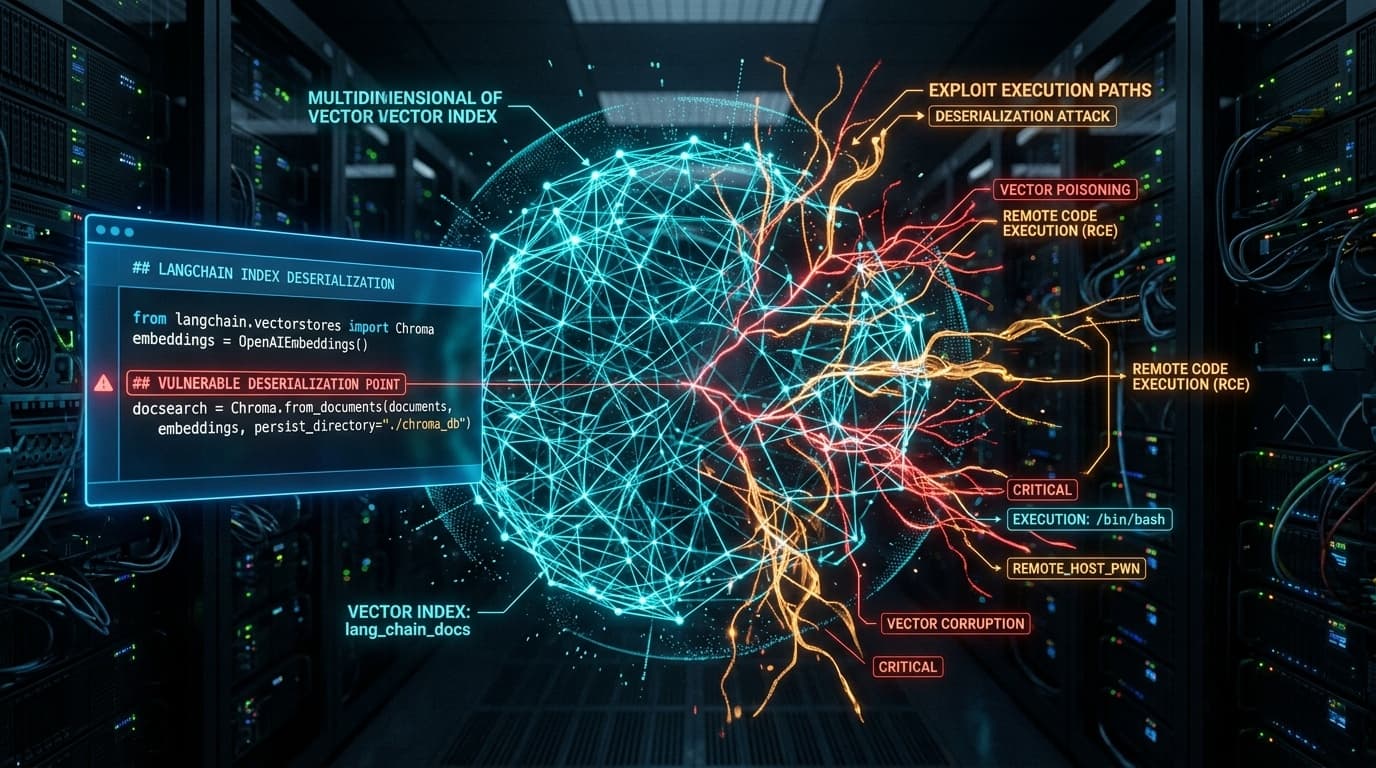
Threat IntelLangChain issues advisory CVE-2026-74120 for Expression Language vectorstores, patching an unsafe deserialization flaw that allowed remote code execution.
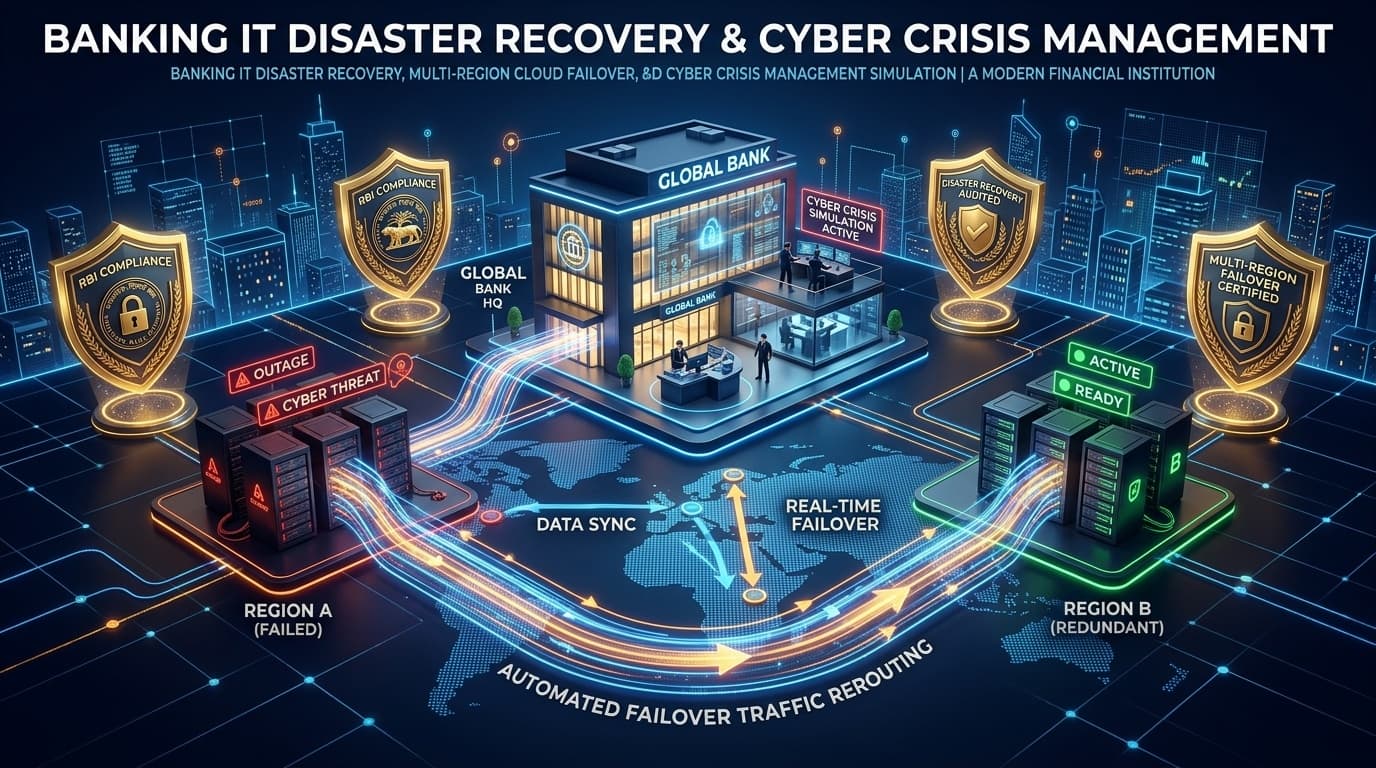
Deep DiveReserve Bank of India issues binding directions requiring all regulated banks to execute annual live cyber crisis simulations and automated multi-region cloud failover.
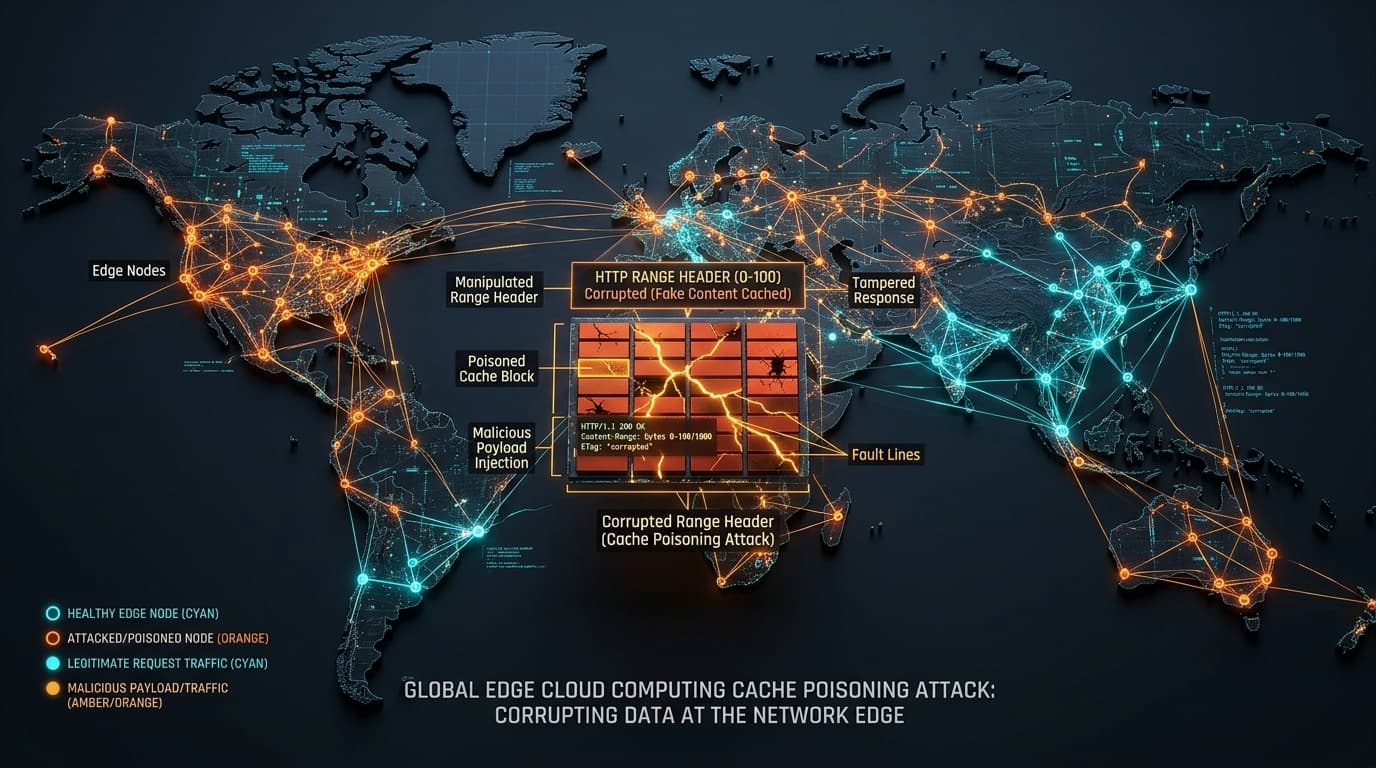
Threat IntelCloudflare resolves critical vulnerability CVE-2026-73190 in Workers KV edge caching, where HTTP Range header normalization flaws allowed global cache poisoning.
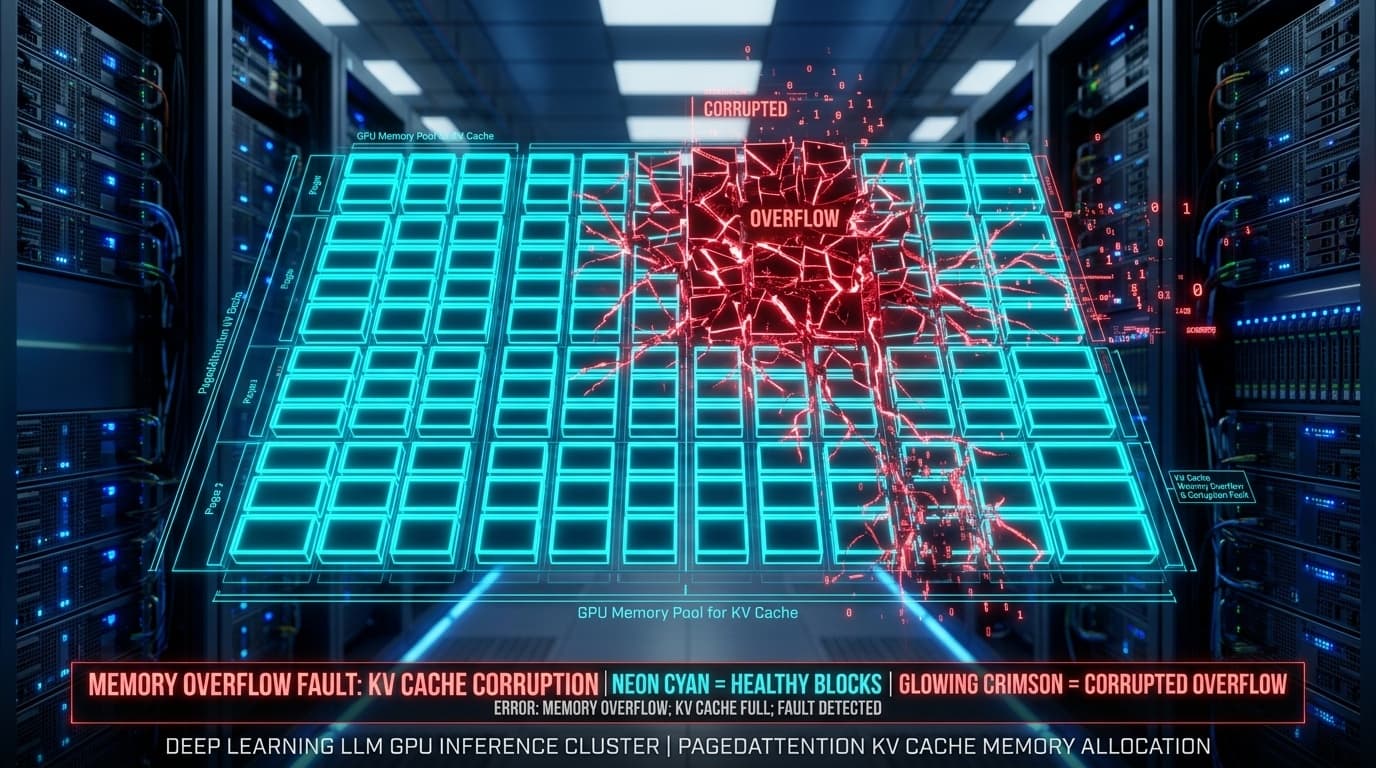
Threat IntelvLLM issues critical advisory CVE-2026-72110 for its continuous batching inference engine, patching a PagedAttention memory calculation bug that leaked LLM KV-cache tokens.
Deep DiveEuropean Supervisory Authorities notify binding DORA technical standards requiring mandatory Threat-Led Penetration Testing (TLPT) and strict third-party ICT audits.
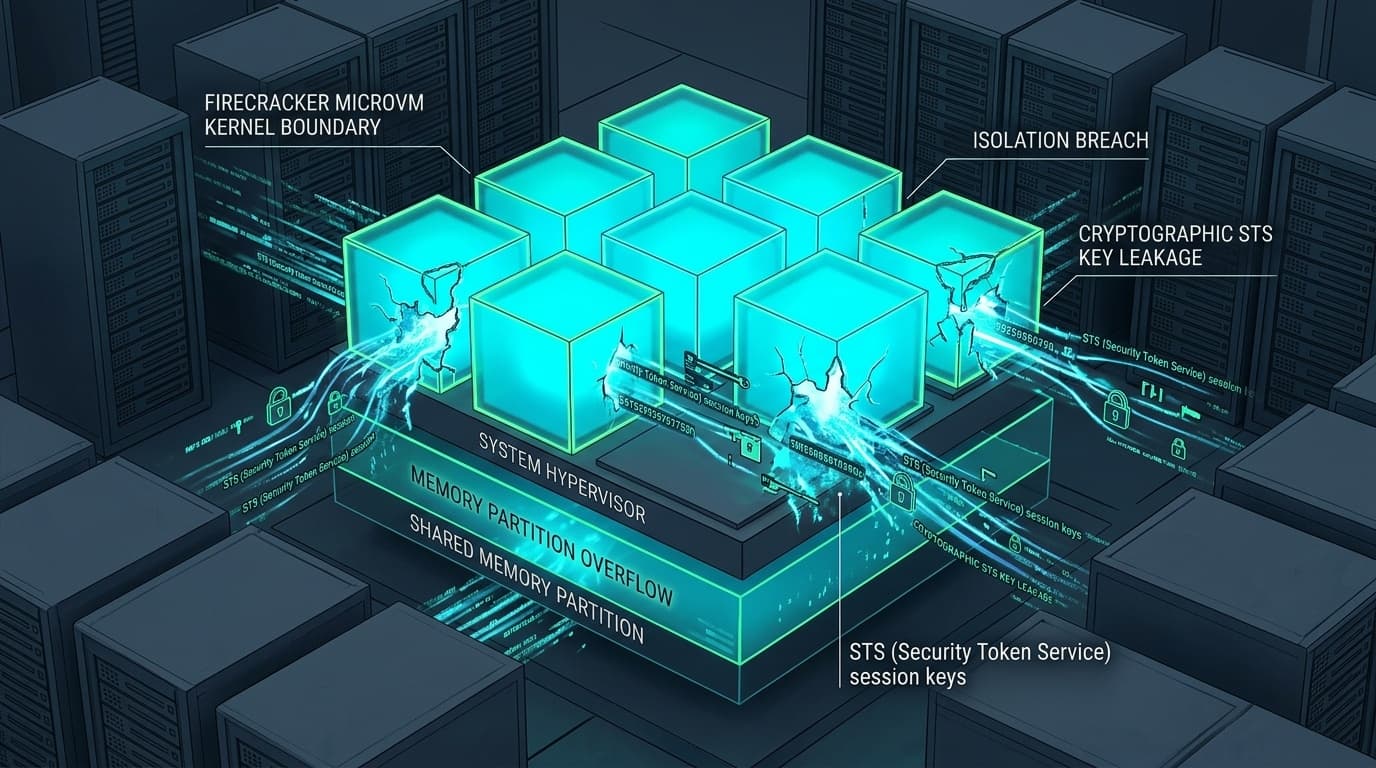
AWS CloudAWS issues advisory CVE-2026-71215 for Lambda Custom Runtimes, addressing a Firecracker microVM memory reclamation flaw that exposed ephemeral STS tokens.
Threat IntelAnthropic issues advisory CVE-2026-70114 for the Model Context Protocol (MCP) filesystem server, patching a path traversal flaw that allowed tool-calling escapes.
Deep DiveReserve Bank of India issues binding directions requiring automated HSM cryptographic key rotation and token decryption logging across all payment systems.
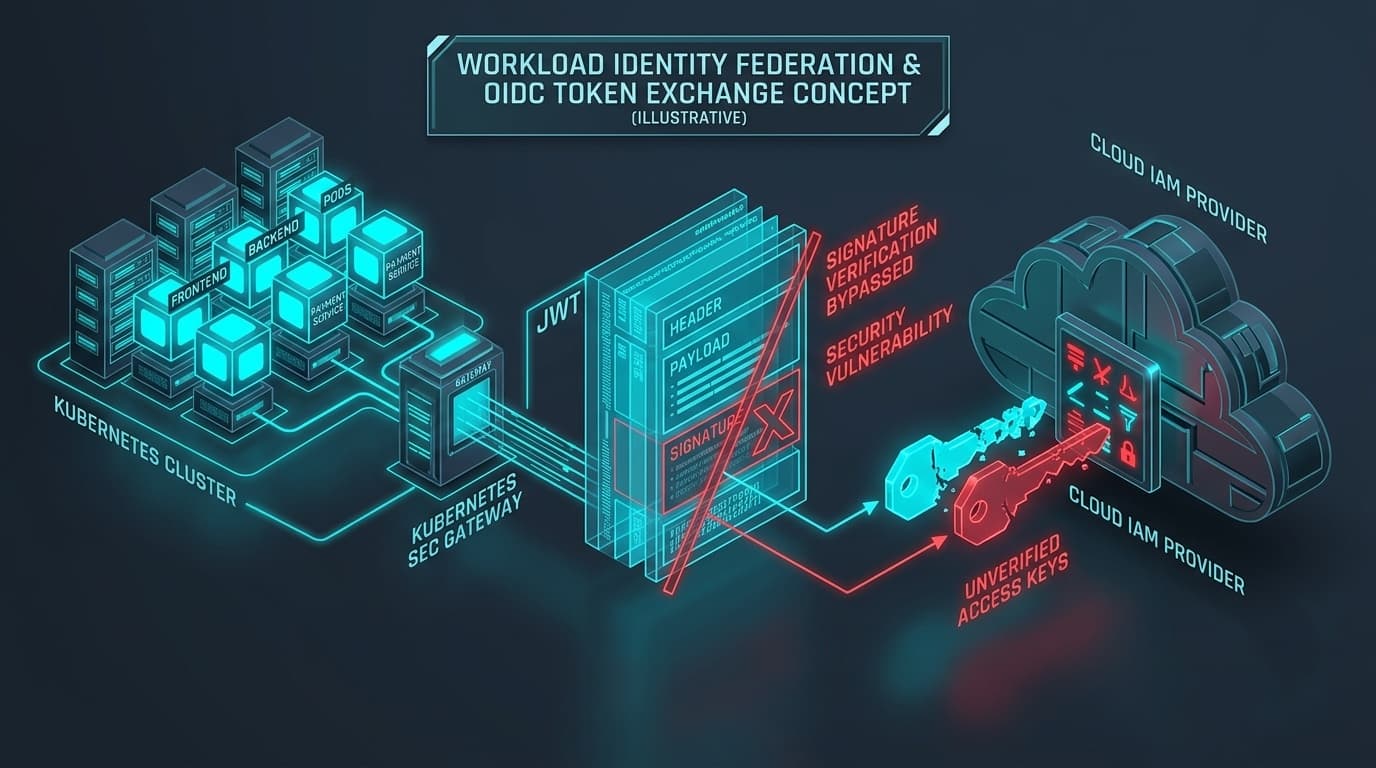
GoogleGoogle fixes critical flaw CVE-2026-69210 in Cloud IAM Workload Identity Federation where improper validation of OIDC audience claims allowed cross-tenant service account hijacking.
AWS CloudAWS patches CVE-2026-68115 in Amazon Bedrock Agent Runtime where unvalidated context memory serialization allowed cross-agent jailbreaks and tool invocation hijacking.
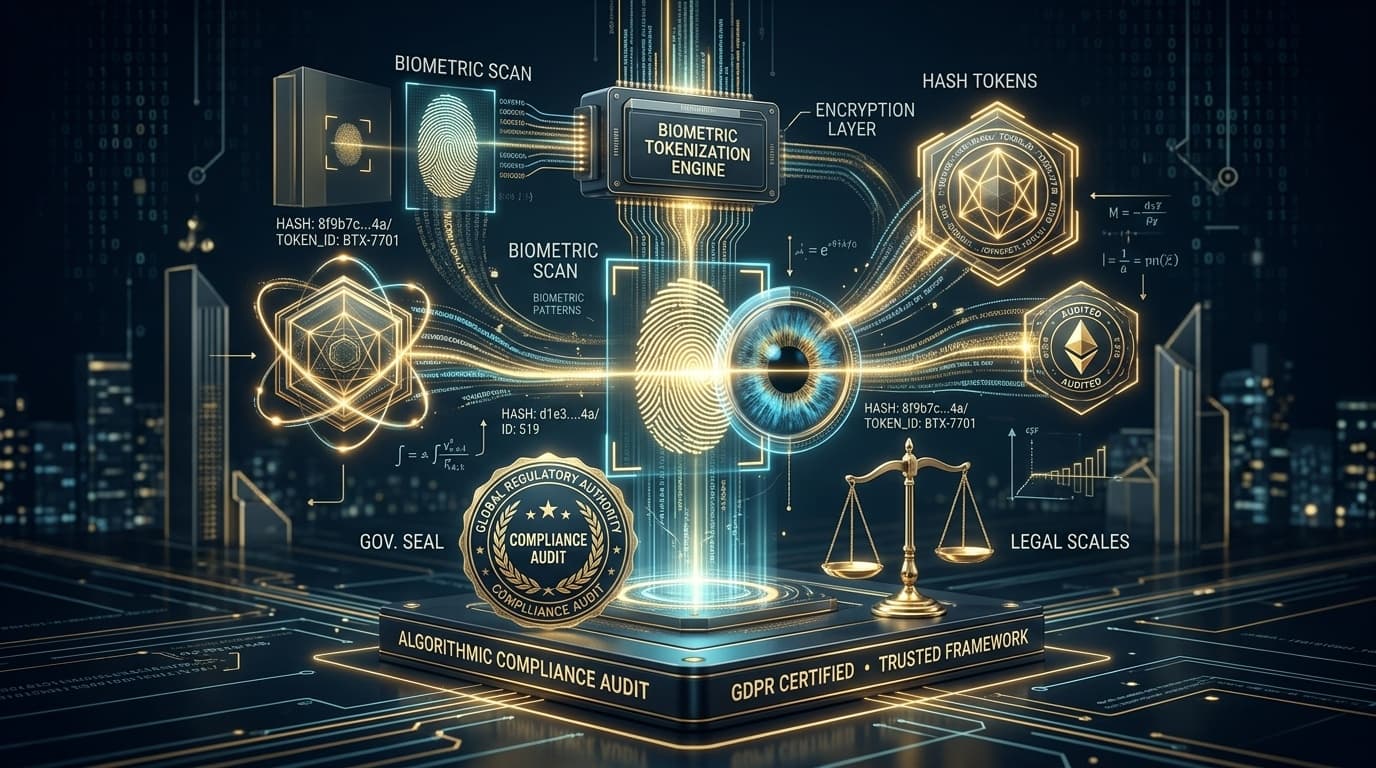
Deep DiveMeitY and Data Protection Board of India issue binding DPDP Rules 2026 requiring annual algorithmic audits, biometric tokenization, and strict 6-hour breach reports.
Deep DiveThe Reserve Bank of India mandates continuous automated compliance monitoring and sovereign data localization for all banking cloud workloads.
Deep DiveThe Reserve Bank of India mandates strict 15-minute RTO failover benchmarks and WORM immutable backup architectures for all scheduled commercial banks.
Deep DiveThe PCI Security Standards Council enforces mandatory Requirement 6.4.3 and 11.6.1 compliance, requiring automated inventory and cryptographic hashing of all payment scripts.
Deep DiveEuropean Supervisory Authorities finalize binding technical standards under the Digital Operational Resilience Act (DORA), requiring 4-hour intermediate incident disclosures.
Deep DiveThe Reserve Bank of India mandates strict Hardware Security Module (HSM) key management, post-quantum readiness, and 6-hour incident disclosure across all digital payment entities.
Deep DiveThe Ministry of Electronics and Information Technology (MeitY) has finalized DPDP Rules 2026, establishing strict audit deadlines and algorithmic assessments for Significant Data Fiduciaries.
Deep DiveReserve Bank of India issues Master Direction mandating scheduled banks and payment operators to deploy automated mule account detection and 2-hour fraud holds.
Deep DiveThe European Union's NIS2 Directive enforces strict 24-hour early warning notifications and executive liability for critical entities facing major cyber incidents.
Deep DivePCI DSS v4.0.1 Requirement 6.4.3 and 11.6.1 enforcement mandates strict browser script inventory and tamper detection on all payment checkout pages.
Gov / DefenseCERT-In security advisory mandates multi-cloud redundancy, immutable backup vaults, and 6-hour incident disclosure across Indian financial institutions.
Deep DiveEuropean Supervisory Authorities operationalize DORA TLPT frameworks, requiring banks and critical ICT providers to undergo advanced red-team audits.
Deep DiveIndia activates Phase 2 of the Digital Personal Data Protection Act, introducing DPBI enforcement inquiries and penalties up to ₹250 Crore.