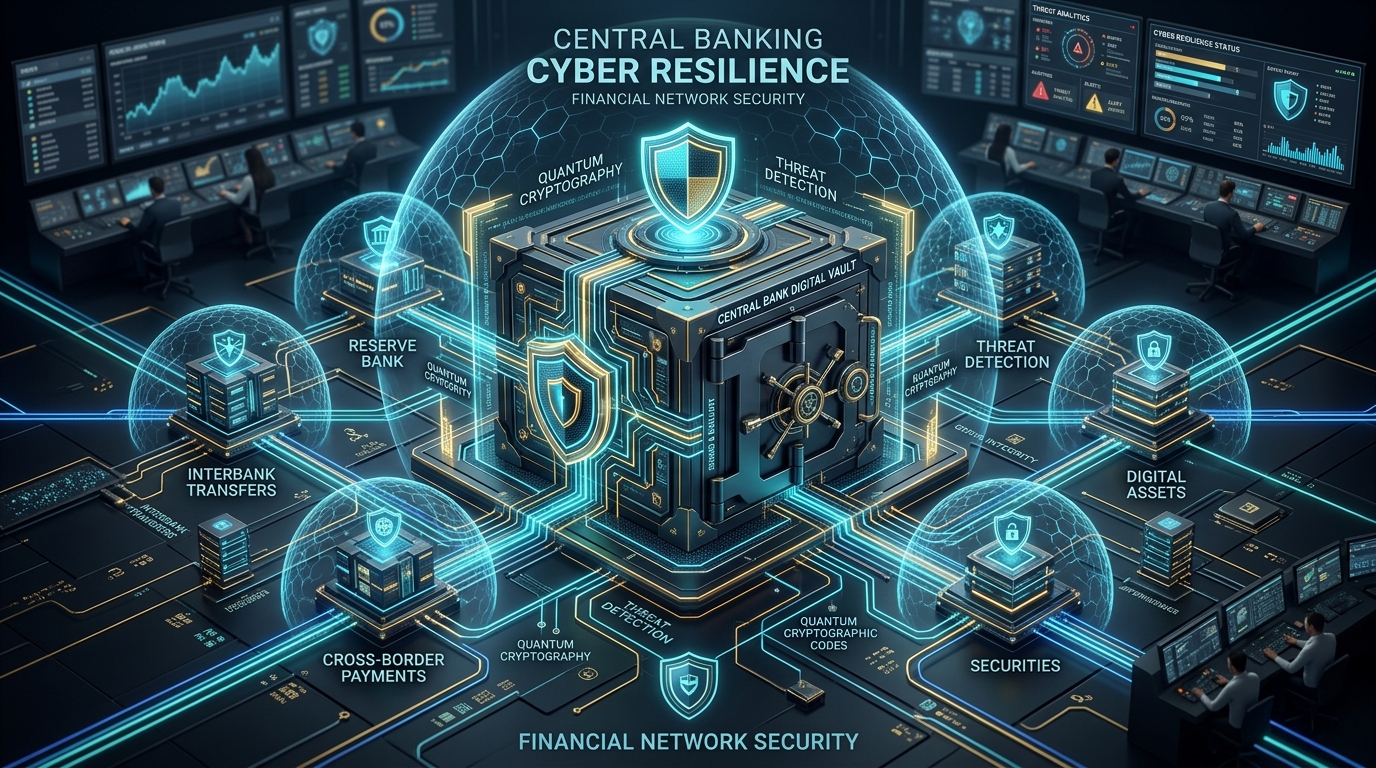
The Indian Computer Emergency Response Team (CERT-In), in close alignment with the Reserve Bank of India (RBI), has issued cybersecurity advisory CIAD-2026-0048 warning against systemic cloud concentration risks in the banking and fintech sectors. The directive mandates the deployment of immutable, out-of-band backup vaults and multi-provider disaster recovery architectures to ensure national economic continuity against destructive ransomware campaigns.
Cloud Concentration Risk: The Single Point of Failure
CERT-In's security review identified that over 82% of regulated digital payment processing workloads in India rely on two primary global hyperscalers (AWS and Microsoft Azure). In an incident where an adversary hijacks an enterprise root organization account or exploits a global identity provider defect, simultaneous compromise of both production clusters and cloud-hosted backups could paralyze national settlement operations:
// Mandatory Architectural Resilience Model under CERT-In Advisory
[Primary Cloud Workload: Hyperscaler A] -> [Real-Time Replicated DB]
                                              |
                                              +--> [Air-Gapped Sync over Sovereign Leased Line]
                                              |
                                              v
[Sovereign Indian On-Premise / Secondary Cloud Vault: WORM Immutable Storage]
   +-- Multi-Party Authorization (M-of-N quorum required for deletion)
   +-- 90-Day Unalterable Retention Lock
Immutable Vault and Air-Gapping Mandates
Under the new technical standard, financial institutions are strictly prohibited from maintaining primary backups under the same administrative identity domain or cloud tenant as production systems. All transactional snapshots must satisfy three binding criteria:
- Object Lock Compliance: Backups must utilize hardware-enforced Write Once, Read Many (WORM) compliance modes that prevent deletion even by root cloud credentials until the retention timer expires.
- Quorum-Based Deletion Safeguards: Any modification to backup lifecycle policies requires simultaneous cryptographic approvals from three designated executives (CISO, CRO, and Head of Infrastructure).
- Mandatory 4-Hour RTO Restoration Drills: Entities must execute unannounced disaster recovery dry-runs demonstrating complete restoration of customer balance ledgers from immutable vaults within 240 minutes.
Compliance Implementation Checklist for Financial CISOs
- Audit IAM Account Topologies: Decouple backup storage accounts into separate, isolated AWS Organizations or Azure Management Groups with dedicated root MFA tokens stored in physical safety deposit boxes.
- Implement SOAR-Driven Threat Detection: Configure real-time security alerts monitoring for bulk S3 bucket policy alterations or bulk snapshot deletions, routing emergency pages to SOC on-call engineers within 60 seconds.
- Maintain Sovereign Local Telemetry: Ensure all DNS resolution and transaction audit records are retained on local hardware appliances within Indian national boundaries.