 Kubernetes
Addressing protocol security gaps in multi-tenant Kubernetes
InsightsCloud & SaaS
Technical architectural analysis of Addressing cloud workload protection, IAM integrity controls, and enterprise boundary defense.
Aisha Noor11 min read
Topic
49 articles
KubernetesTechnical architectural analysis of Addressing cloud workload protection, IAM integrity controls, and enterprise boundary defense.
 AWS Cloud
AWS patches a critical vulnerability in IAM Identity Center (CVE-2026-78520) allowing manipulated SAML XML comments to bypass role assignment boundaries.
 Google
A security flaw in Google Cloud Run's internal metadata proxy allows server-side request forgery to steal workload identity IAM tokens.
 AWS Cloud
A security vulnerability in AWS IAM Identity Center's SCIM protocol implementation could allow token bypass during automated user and group provisioning.
 Microsoft
 MSRC publishes a security bulletin detailing an identity impersonation flaw in Azure Container Apps Dapr sidecars allowing cross-service token spoofing.
 AWS Cloud
AWS Security Bulletins disclose a privilege escalation vulnerability in the Amazon EKS Pod Identity Agent allowing compromised pods to replay IAM credentials.
 Google
 Cloud releases emergency advisory for CVE-2026-45129, resolving an internal metadata server proxy flaw in Cloud Run allowing cross-container token leakage.
 AWS Cloud
AWS Security Bulletin details an authorization validation defect in S3 Multi-Region Access Point endpoints permitting IAM privilege escalation.
 AWS Cloud
CVE-2026-103956 in AWS Labs Loom (CVSS 10.0) let any network client act as super-admin on IdP-less deployments. Two SSRF flaws leaked tokens. Upgrade to 1.7.0+.
 Threat Intel
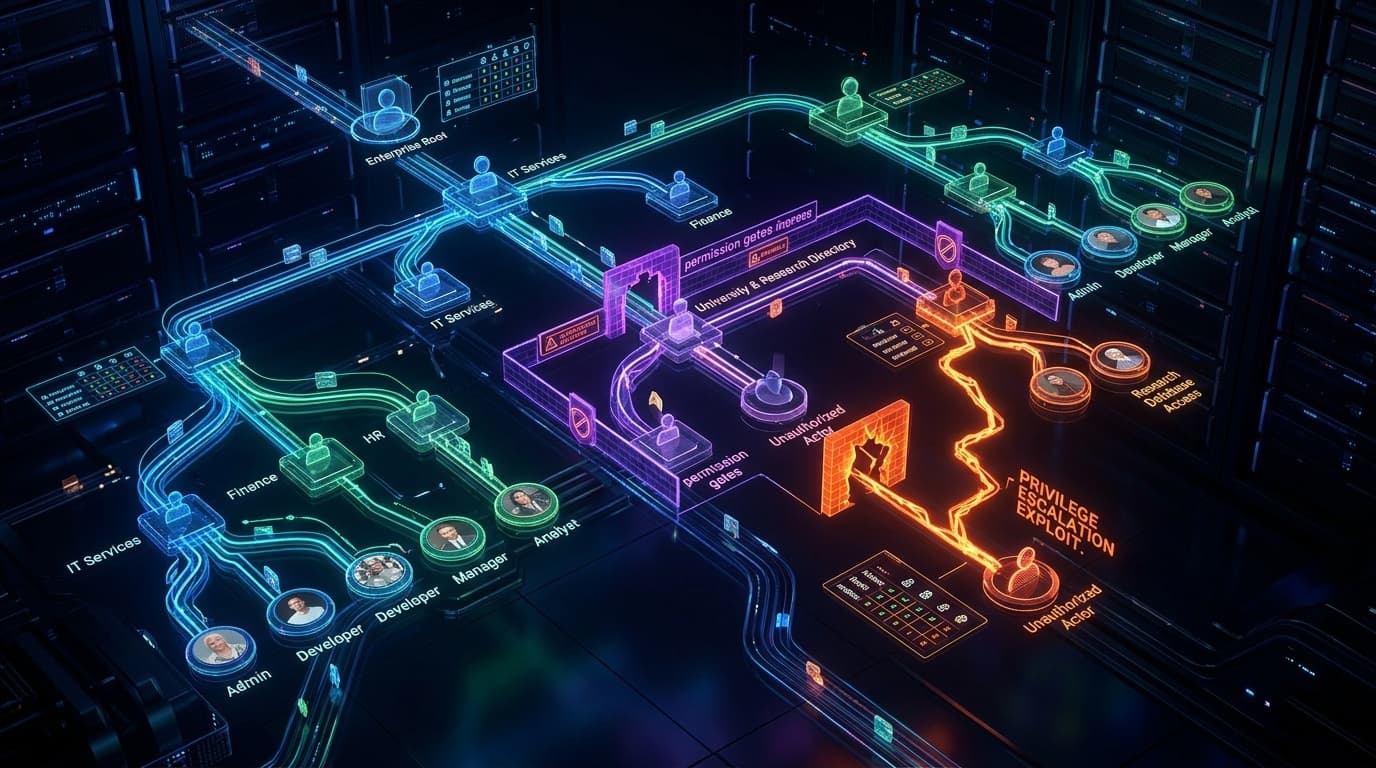
A privilege escalation vulnerability in Internet2 Grouper before v7.5.1 allows authenticated users with rule editing rights to elevate to full system administrator.
 Deep Dive
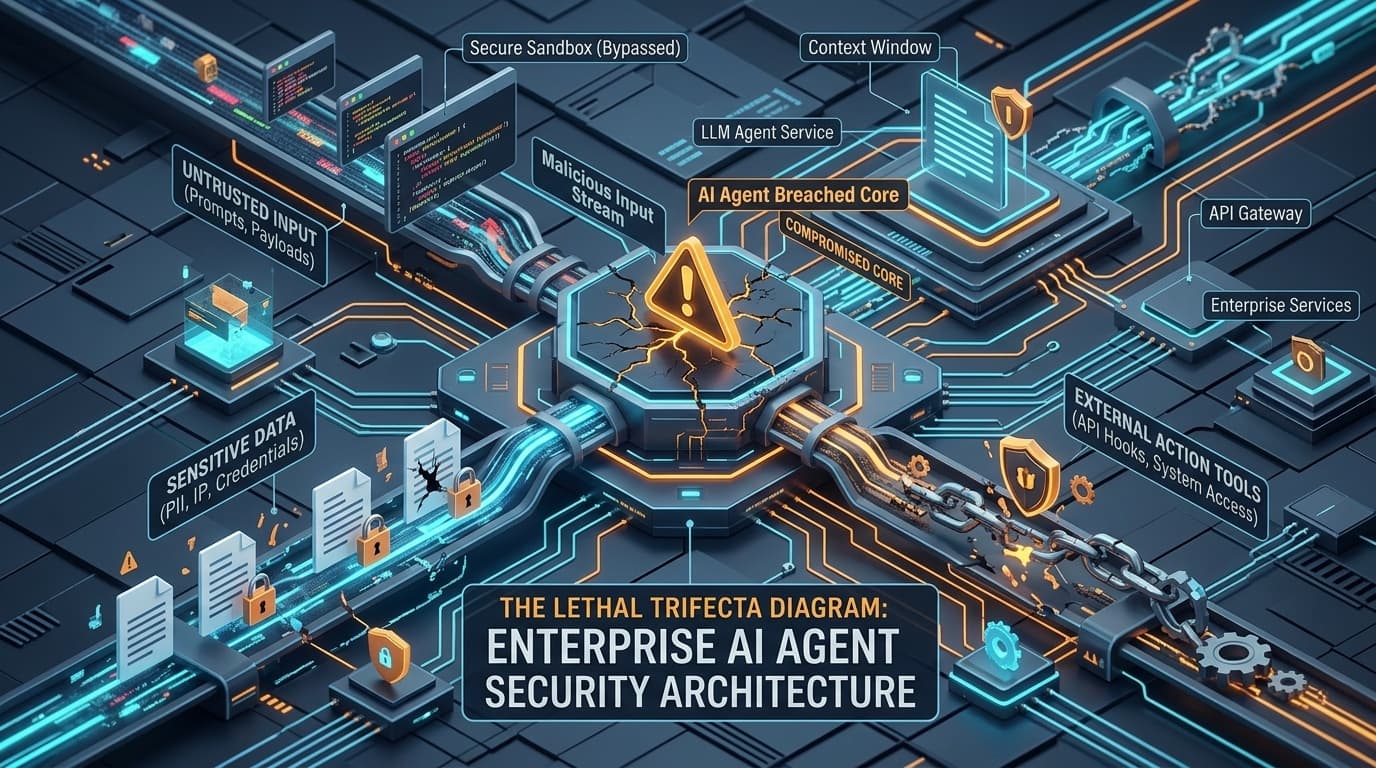
An architectural analysis of the Lethal Trifecta in autonomous enterprise AI agents: untrusted input, autonomous execution, and access to privileged external tools.
 AWS Cloud
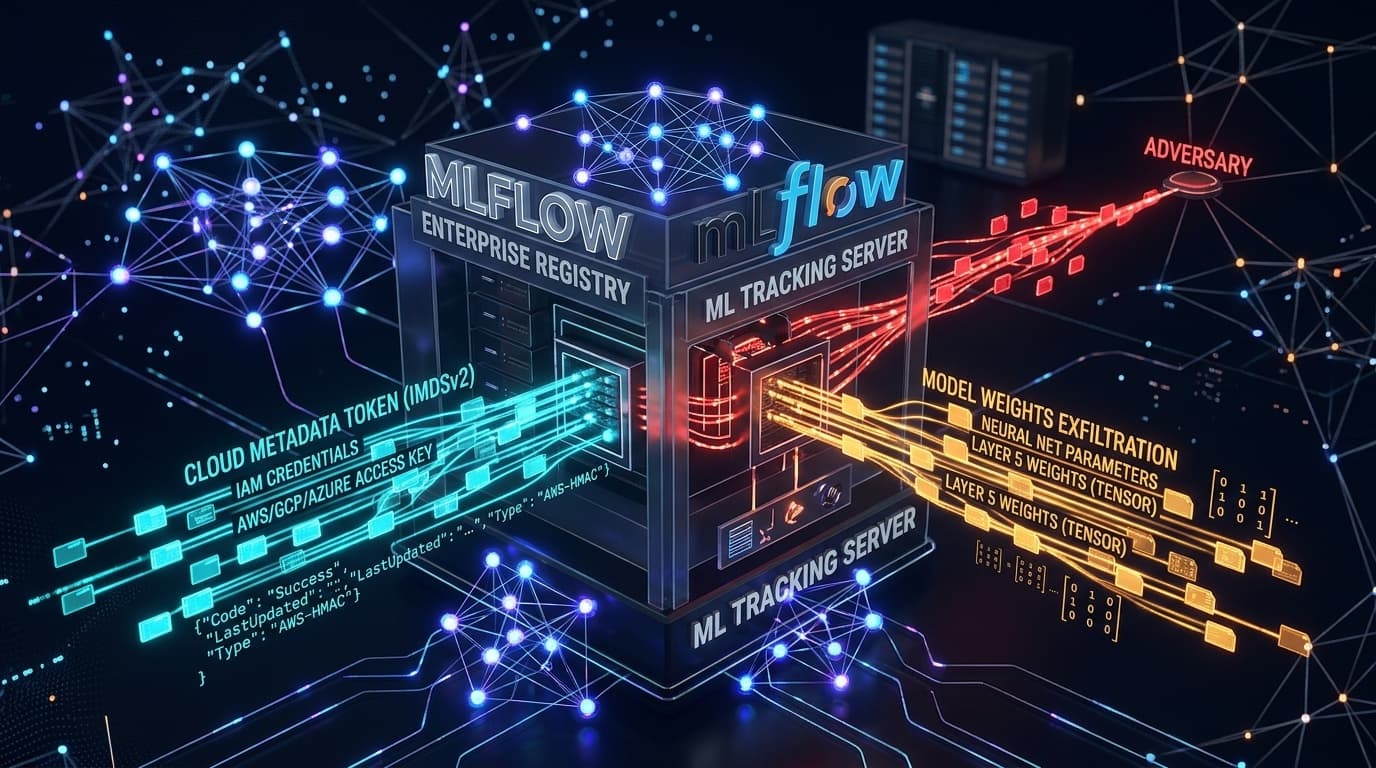
AWS Security Bulletin details an environment leakage defect in Amazon Bedrock Agent action group runtimes permitting cross-session IAM credential exposure.
 Microsoft
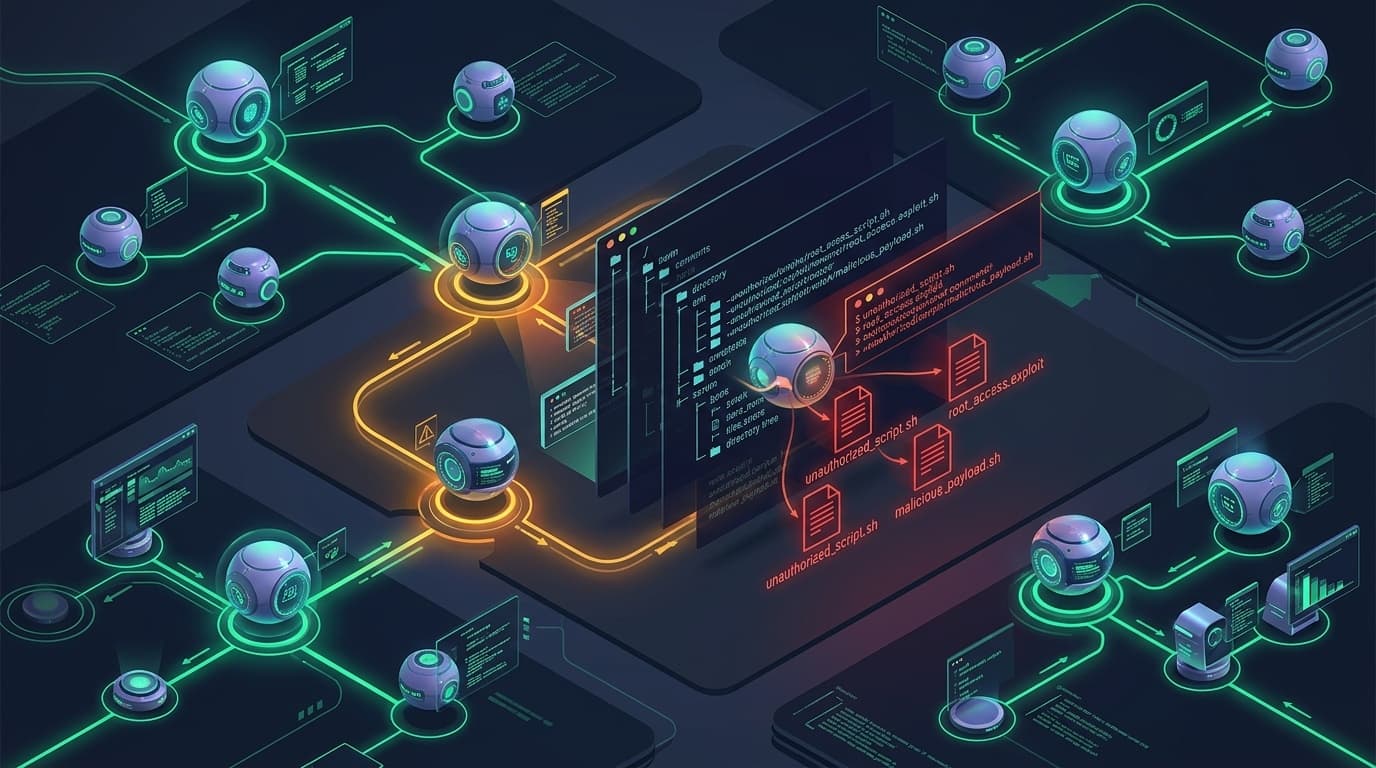
A critical vulnerability in Microsoft Entra ID allows authenticated users to manipulate assumed-immutable directory attributes and achieve Global Admin rights.
 AWS Cloud
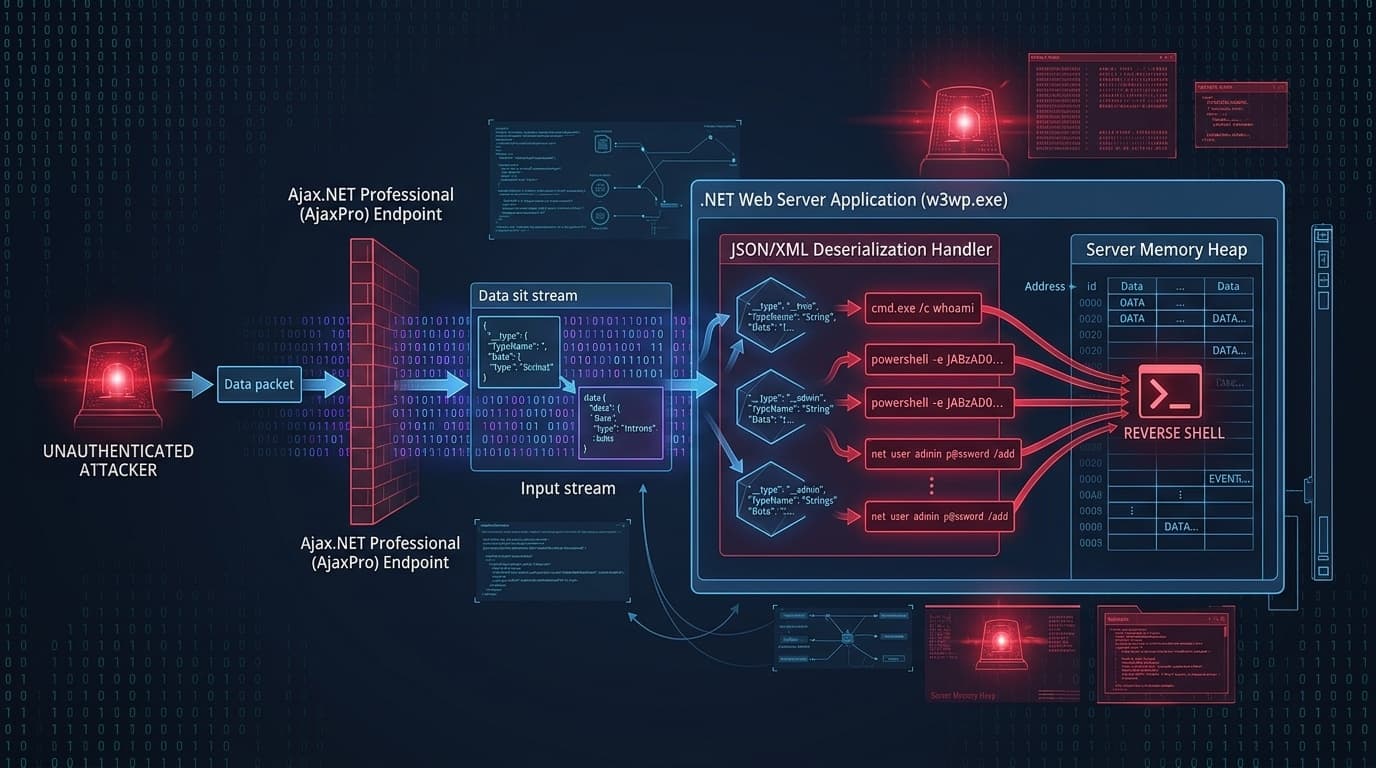
AWS Security Bulletin 2026-084-AWS warns of authorization flaw CVE-2026-75910 in Athena ClickHouse connector allowing arbitrary Secrets Manager data leakage.
 Google
 Cloud Bulletin GCP-2026-059 details missing authorization flaw CVE-2026-4644 in Integration Connectors enabling project-level privilege escalation.
 AWS Cloud
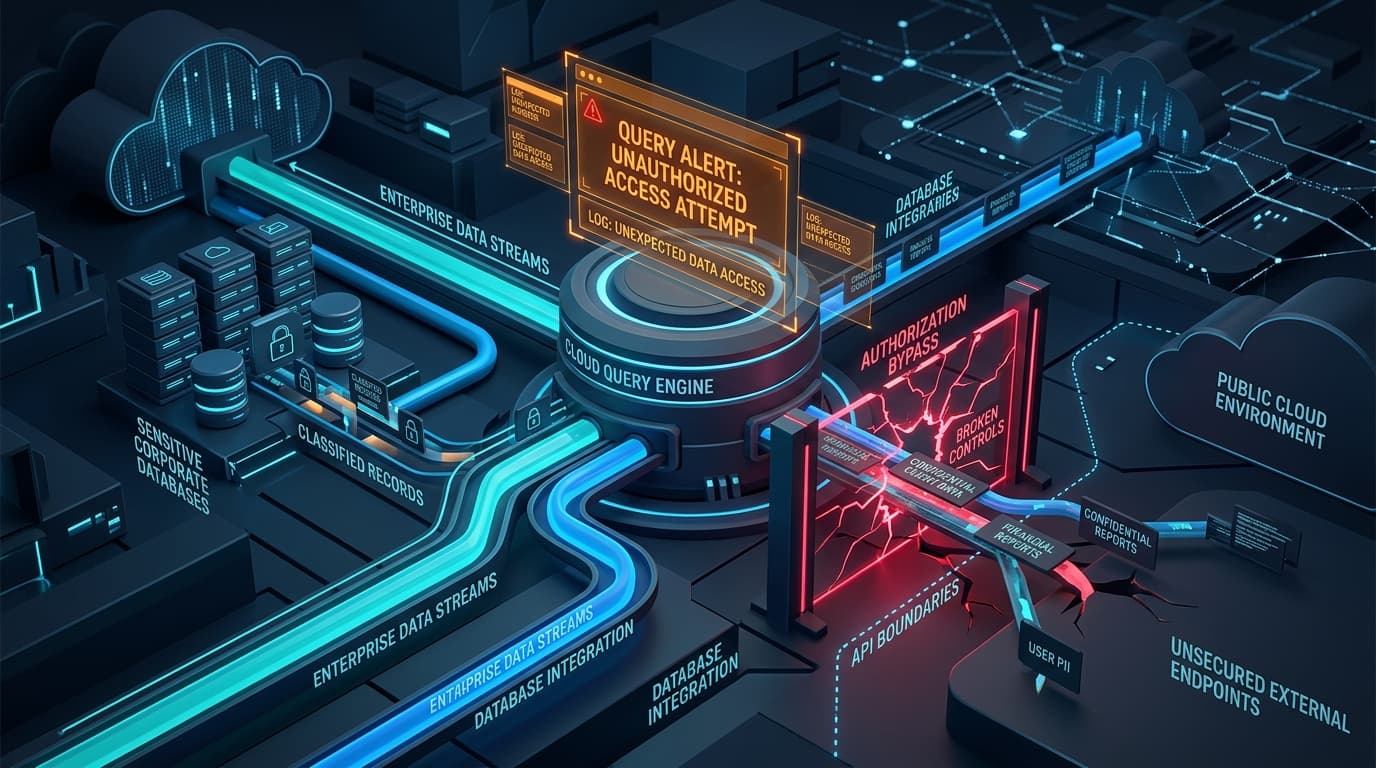
AWS Security Bulletin 2026-115-AWS warns of a critical authorization flaw in AmazonConnectSalesforceLambda enabling unprivileged IAM users to execute arbitrary AWS APIs.
 Google
 Cloud resolves a privilege escalation flaw in Compute Engine guest-oslogin that allowed users with compute.osLogin IAM permissions to gain root access.
 Microsoft
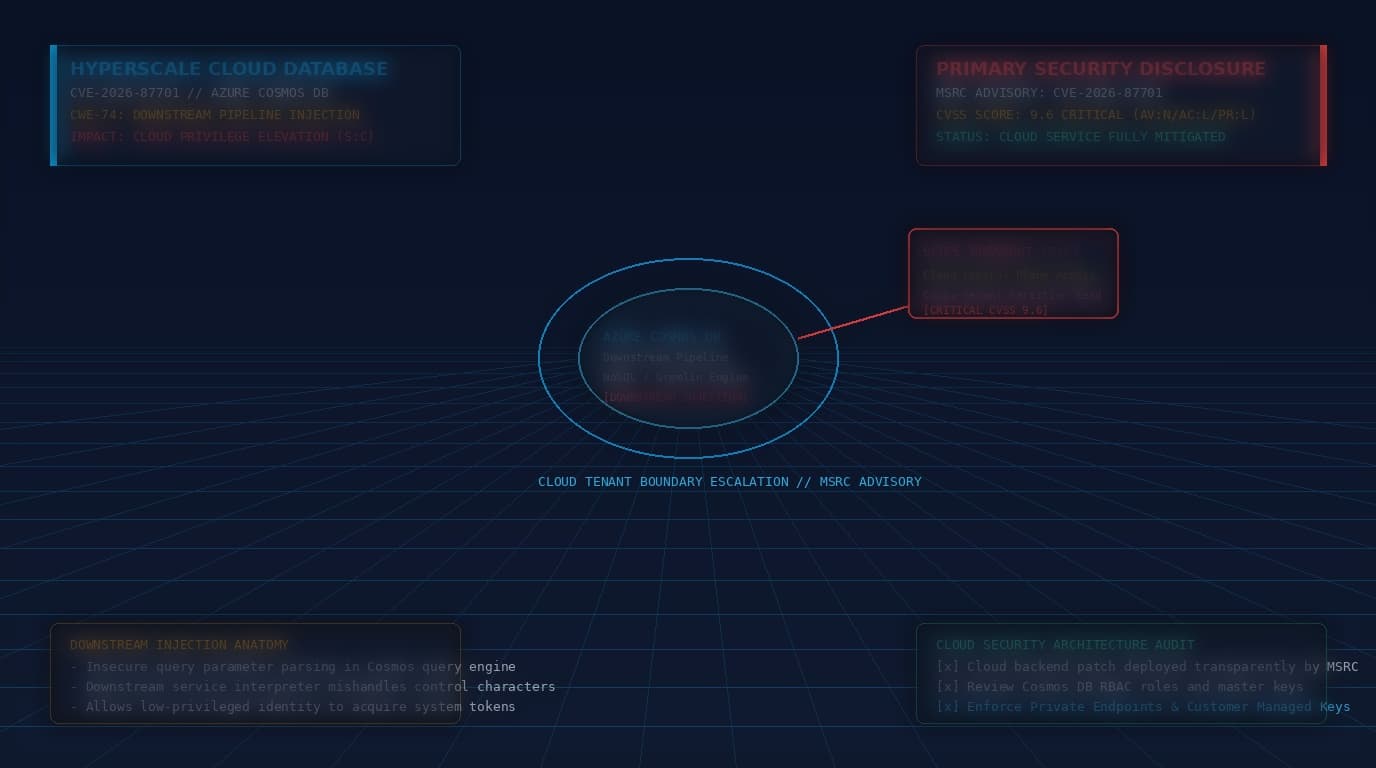
 addresses CVSS 9.6 vulnerability CVE-2026-87701 in Azure Cosmos DB allowing authenticated attackers to execute downstream injection and elevate privileges.
 Microsoft
Google Cloud remediates critical GCP-2026-058 flaw in GKE Multi-Cloud APIs where missing project checks enabled unauthorized cluster registration and IAM impersonation.
 AWS Cloud
AWS resolves high-severity CVSS 8.8 flaw CVE-2026-81849 in amazon-ssm-agent where crafted S3 object keys allow authenticated IAM actors to overwrite root host files.
 Microsoft
 resolves maximum-severity CVSS 10.0 vulnerability CVE-2026-69836 in Entra ID allowing unauthenticated remote code execution via unsafe object deserialization.
 AWS Cloud
AWS Labs resolves high-severity vulnerability CVE-2026-16584 in AWS API MCP Server allowing autonomous AI agent workflows to bypass security policies upon initialization failure.
 AWS Cloud
AWS resolves high-severity privilege escalation flaw CVE-2026-86830 in Temporary Elevated Access Management (TEAM) for IAM Identity Center.
 Microsoft
Technical breakdown of cloud workload stemcell isolation defects, container escape vectors, and hypervisor boundary hardening across AWS and Microsoft Azure.