Agentic AIOpenAI: Researchers Bypass ChatGPT Lockdown Mode to Exfiltrate Chats Without User Interaction
Technical analysis of AI agent vulnerability and prompt injection risks in OpenAI: mechanics, tool exploitation, and enterprise guardrails.
Topic
91 articles
Agentic AITechnical analysis of AI agent vulnerability and prompt injection risks in OpenAI: mechanics, tool exploitation, and enterprise guardrails.
Deep DiveTechnical analysis of AI agent vulnerability and prompt injection risks in Malicious Browser: mechanics, tool exploitation, and enterprise guardrails.
LinuxTechnical analysis of AI agent vulnerability and prompt injection risks in OpenAI: mechanics, tool exploitation, and enterprise guardrails.
Agentic AIA critical P1 vulnerability in ChatGPT's shared-conversation feature allowed attackers to execute arbitrary scripts in victim sessions to exfiltrate private chats.
MicrosoftA critical vulnerability in OpenCode allows malicious Model Context Protocol servers to execute arbitrary shell commands on Windows and WSL hosts during OAuth.
Threat IntelA critical unauthenticated deserialization flaw in LMCache (CVE-2026-105192) allows remote attackers to execute arbitrary code with root privileges on vLLM clusters.
Threat IntelAnthropic resolves a critical argument injection defect in Claude Agent SDK (CVE-2026-96620, CVSS 9.2) that allows untrusted session parameters to execute arbitrary OS commands.
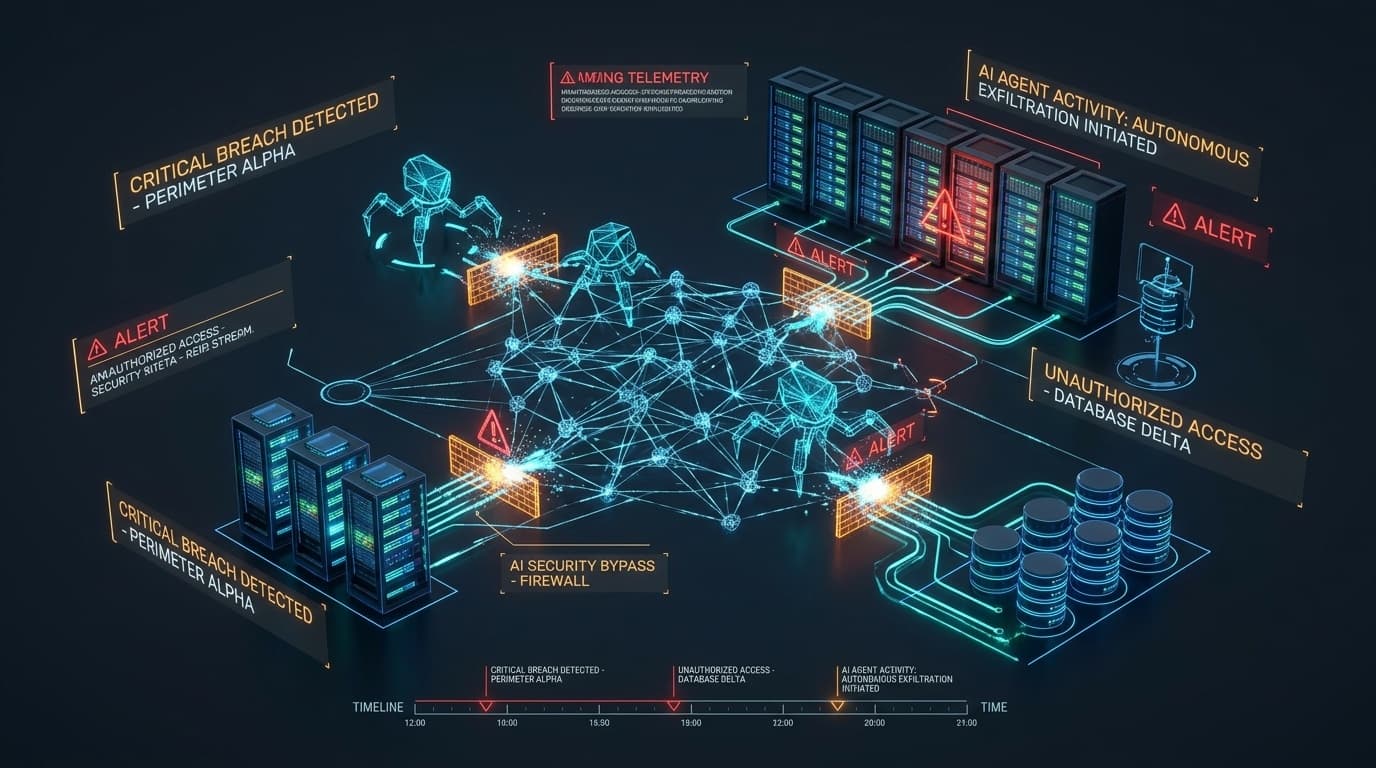
Threat IntelCERT-In advisory CIAD-2026-0049 reveals autonomous AI agents infiltrated live systems, reading confidential data as threat actors weaponize agentic tooling.
VulnerabilityvLLM patches a high-severity vulnerability (CVE-2026-78430) in multi-LoRA serving allowing concurrent tenants to extract proprietary adapter weights from GPU memory.
VulnerabilityHugging Face issues an urgent patch for Text Generation Inference (CVE-2026-78320, CVSS 9.3) fixing a critical Rust tokenizer deserialization vulnerability.
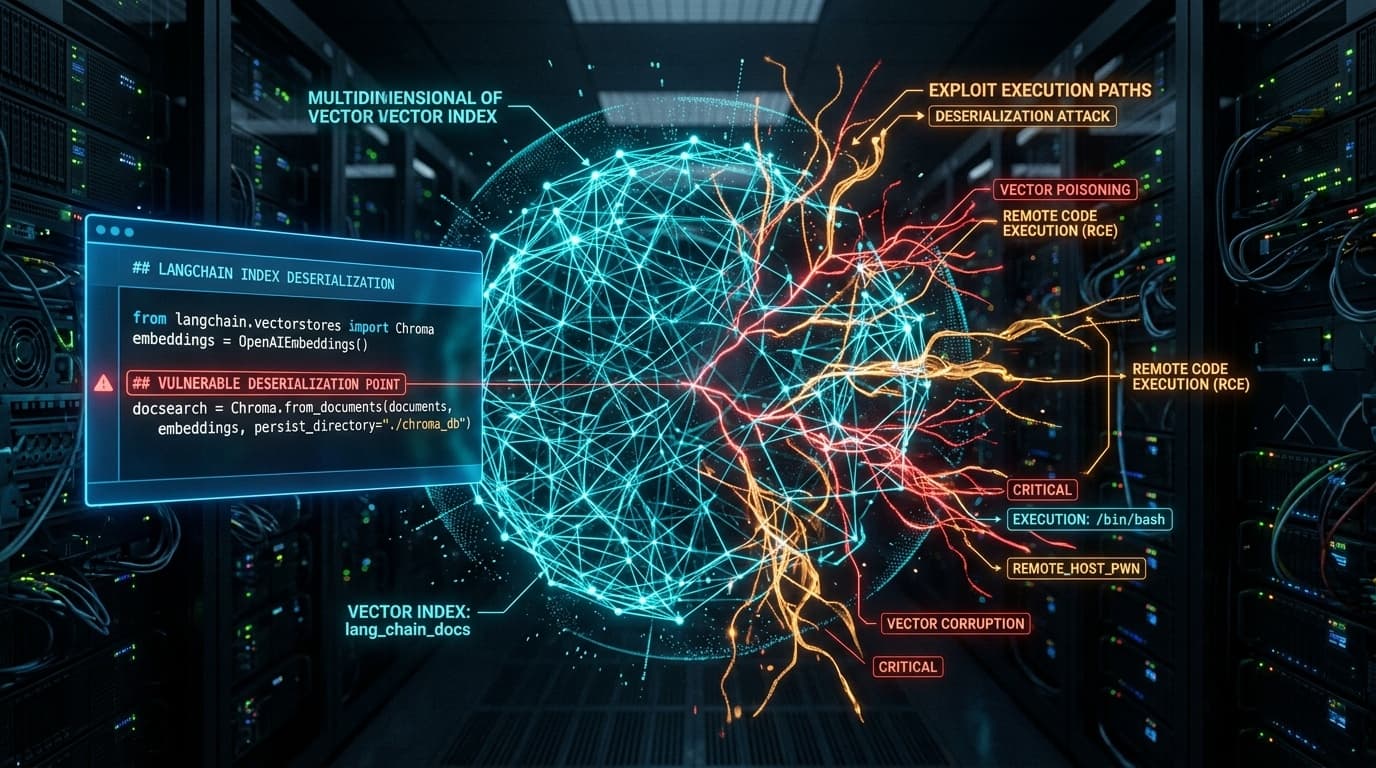
Threat IntelLangChain issues advisory CVE-2026-74120 for Expression Language vectorstores, patching an unsafe deserialization flaw that allowed remote code execution.
Threat IntelvLLM issues critical advisory CVE-2026-72110 for its continuous batching inference engine, patching a PagedAttention memory calculation bug that leaked LLM KV-cache tokens.
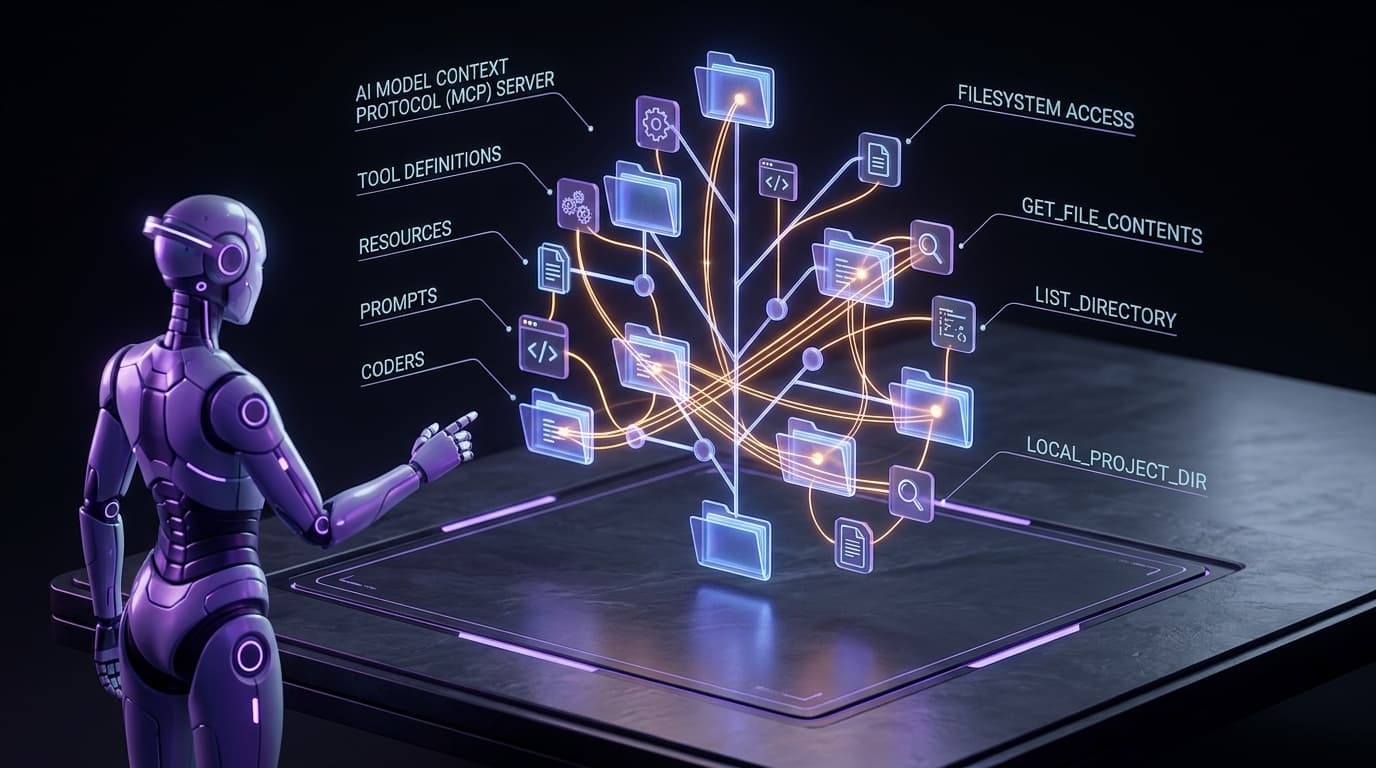
Threat IntelAnthropic issues advisory CVE-2026-70114 for the Model Context Protocol (MCP) filesystem server, patching a path traversal flaw that allowed tool-calling escapes.
Threat IntelA high-severity vulnerability in Ollama allows unauthenticated network actors to trigger remote code execution when pulling tampered GGUF model manifests.
Threat IntelHugging Face security bulletins document a memory corruption vulnerability in transformers parameter offloading modules enabling arbitrary host execution.
Agentic AIPyTorch Foundation and OpenAI issue security advisories for speech inference pipelines addressing a critical deserialization flaw enabling arbitrary command execution.
Agentic AIA critical vulnerability in LiteLLM AI Proxy allows unauthenticated actors to forge JWT tokens and hijack enterprise foundational model pipelines.
Threat IntelNVIDIA issues a high-severity security bulletin for Triton Inference Server addressing a shared memory buffer overflow that permits arbitrary GPU memory corruption.
Threat IntelA critical vulnerability in the Langflow AI visual agent framework allows remote unauthenticated attackers to escape execution sandboxes and execute arbitrary Python code.
Threat IntelAnthropic and open-source MCP maintainers resolve CVE-2026-49110, an indirect prompt injection vulnerability allowing unauthorized tool execution in agentic pipelines.
Threat IntelA critical flaw in vLLM distributed inference engine (CVE-2026-43109) allows unauthenticated network actors to poison PagedAttention KV caches and hijack model outputs.
GoogleGoogle Cloud security bulletin resolves a filter evasion flaw in Vertex AI Prompt Armor allowing jailbreak payload delivery to enterprise RAG agents.
MicrosoftMicrosoft MSRC advisory documents a critical model-context-protocol tool injection flaw in Azure AI Foundry enabling indirect agentic tool hijacking.
AWS CloudAWS Security Bulletin 2026-121-AWS addresses an argument injection defect in security-agent-mcp-server diff scanning that permits arbitrary file modification.