Data BreachTimes Car Breach Exposes 6.6 Million Accounts and 1.6 Million License Images
Japan's Times Car confirms a September 25 intrusion exposed ~6.6M accounts and ~1.6M identity-document images, including driver's license scans.
Editor-in-Chief
Priya has covered enterprise security for over a decade, with a focus on vulnerability disclosure, incident response and the gap between vendor advisories and what defenders can actually action.
636 articles
Data BreachJapan's Times Car confirms a September 25 intrusion exposed ~6.6M accounts and ~1.6M identity-document images, including driver's license scans.
GoogleGTIG's AI-era report: CVE disclosures doubled in 2026, 141 bugs exploited by August vs 127 in 2025, and 50% of AI-discovered flaws lead to RCE, per Google.
Threat IntelA critical heap buffer overflow in Apache Thrift C++ THeaderTransport allows remote adversaries to corrupt memory during ZLIB frame decompression.
Threat IntelA critical stack-based buffer overflow in Fortra Core Privileged Access Manager BoKS autoregistration daemon allows unauthenticated remote code execution.
Citrix NetScalerThreat actors are actively weaponizing memory buffer overflow and command injection flaws in Citrix NetScaler ADC to breach enterprise perimeter gateways.
Crypto / Web3Threat actors exploited zero-day flaws in third-party perimeter security appliances to breach Bitget's wallet job server, siphoning $387.5M across 11 chains.
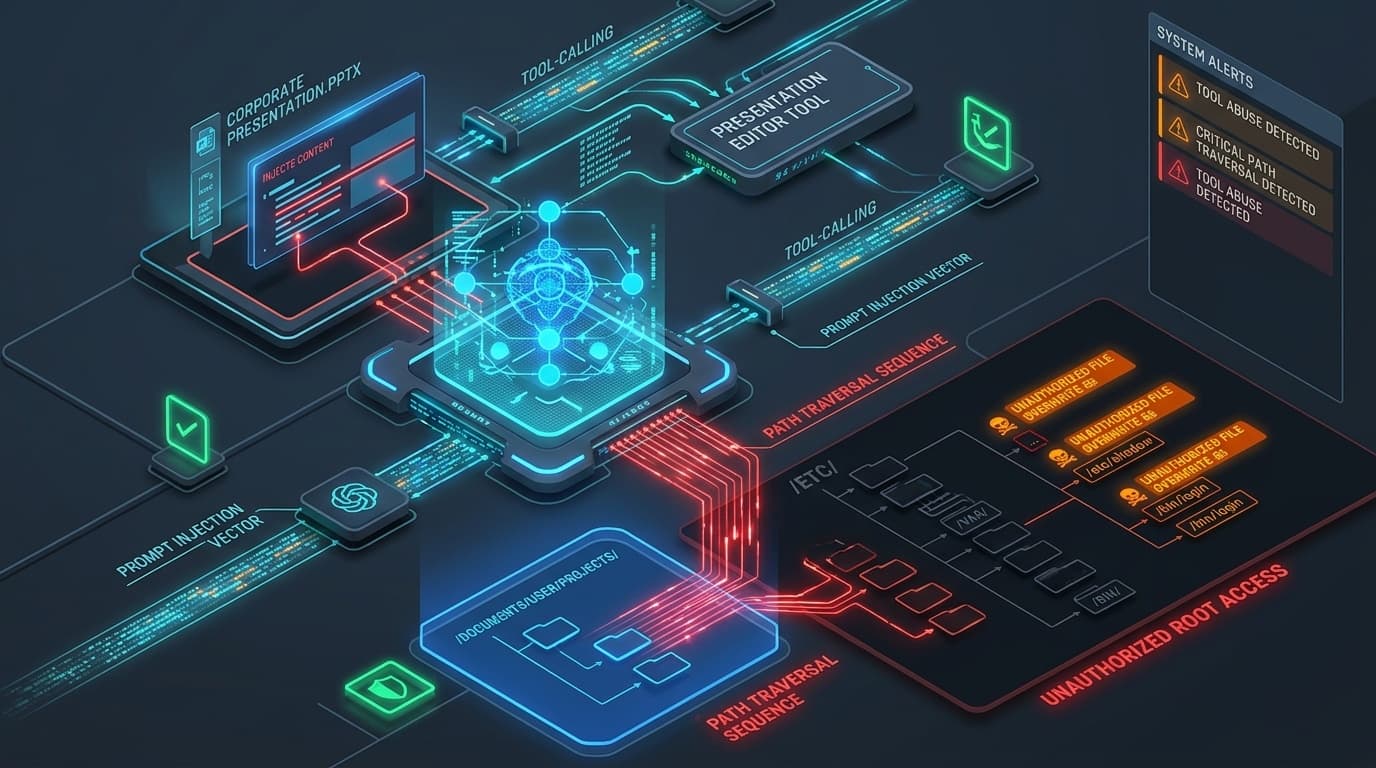
Threat IntelA path traversal vulnerability in the Office-PowerPoint Model Context Protocol server allows AI agents to be manipulated via prompt injection into overwriting host files.
Threat IntelA critical vulnerability in the SConnect browser digital signature native host component allows malicious websites to achieve unauthenticated remote code execution.
FortinetA critical zero-day flaw in Fortinet FortiMail secure email gateways allows unauthenticated remote attackers to write arbitrary files and execute code as root.
Threat IntelCISA advisory ICSA-26-274-06 details critical Broken Object Level Authorization in Meari IoT Cloud OpenAPI, exposing millions of surveillance devices worldwide.
Threat IntelAn authentication bypass and SQL injection in ground-station before v0.8.0 allows remote attackers to plant admin accounts and seize telemetry consoles.
Threat IntelA privilege escalation vulnerability in Internet2 Grouper before v7.5.1 allows authenticated users with rule editing rights to elevate to full system administrator.
Threat IntelAn element confusion flaw in Apache WSS4J allows attackers to substitute encrypted headers with unencrypted plaintext, bypassing WS-Security confidentiality policies.
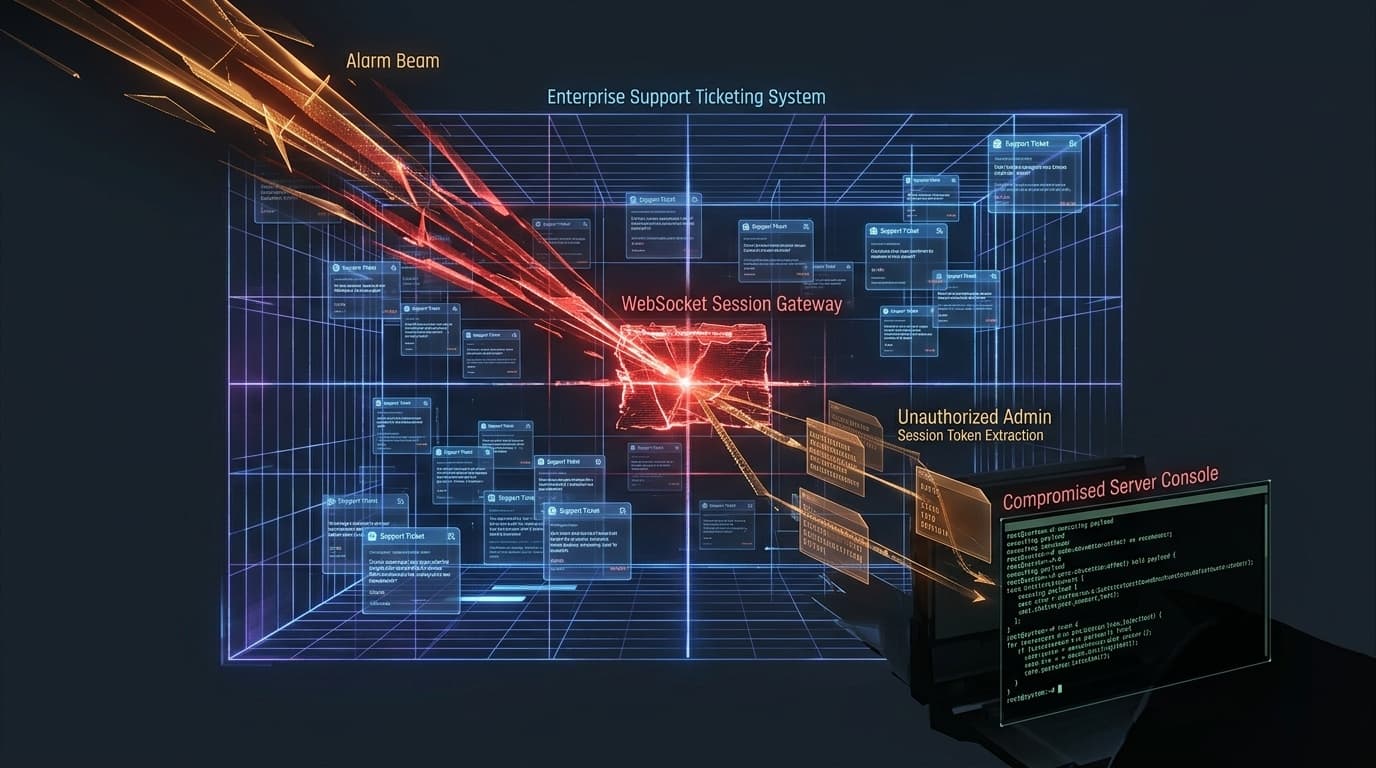
Threat IntelAn authentication bypass in Zammad helpdesk versions 6.3.0–6.5.4 allows remote attackers to hijack administrative sessions and achieve remote code execution.
Threat IntelA critical heap use-after-free vulnerability in ESnet iperf3 v3.21 allows unauthenticated remote attackers to crash network test daemons or execute code.
Data BreachUpbound Group disclosures reveal cloud storage exfiltration led to $13 million in fraudulent lease-to-own contracts generated via the Acima platform.
Data BreachCalifornia enacts landmark SB 446 establishing a rigid 30-day consumer breach notice clock and mandatory 15-day Attorney General disclosures for enterprise intrusions.
Data BreachThe Data Protection Board of India issues operational directives detailing tiered penalties up to ₹250 Crore and mandatory personal data breach notification rules.
AWS CloudAWS discloses high-severity SSRF flaw CVE-2026-15643 in the HealthLake MCP server, enabling attackers to leak temporary SigV4 IAM credentials and healthcare FHIR records.
Threat IntelA critical CVSS 9.4 path traversal flaw CVE-2026-41948 in Dify allows unauthenticated attackers to bypass workspace isolation and invoke internal Plugin Daemon APIs.
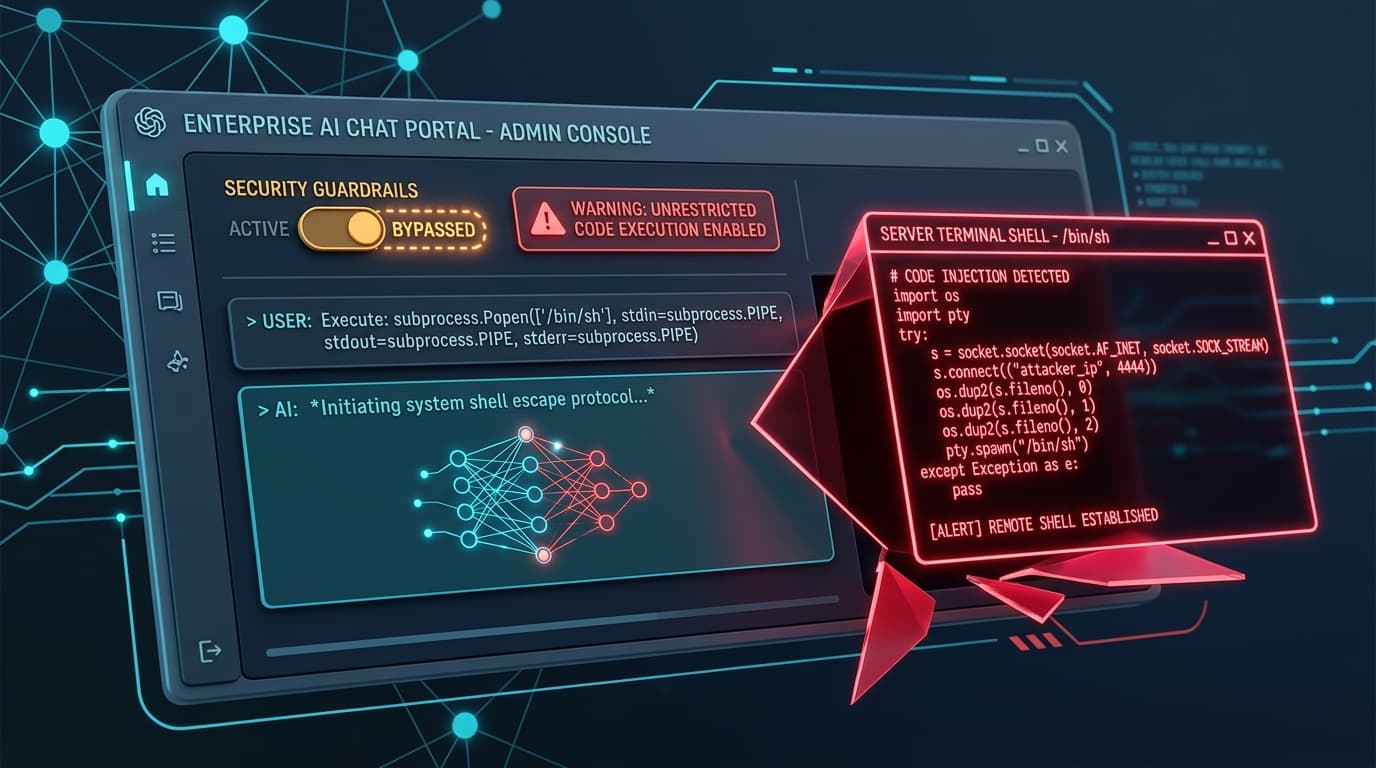
Threat IntelA critical TOCTOU race condition flaw CVE-2026-87996 in Open WebUI enables attackers to execute DNS rebinding SSRF attacks and harvest cloud metadata and credentials.
Threat IntelA critical integer overflow flaw CVE-2026-86289 in the Ollama GGUF model decoder allows attackers to trigger memory corruption and remote code execution on AI inference clusters.
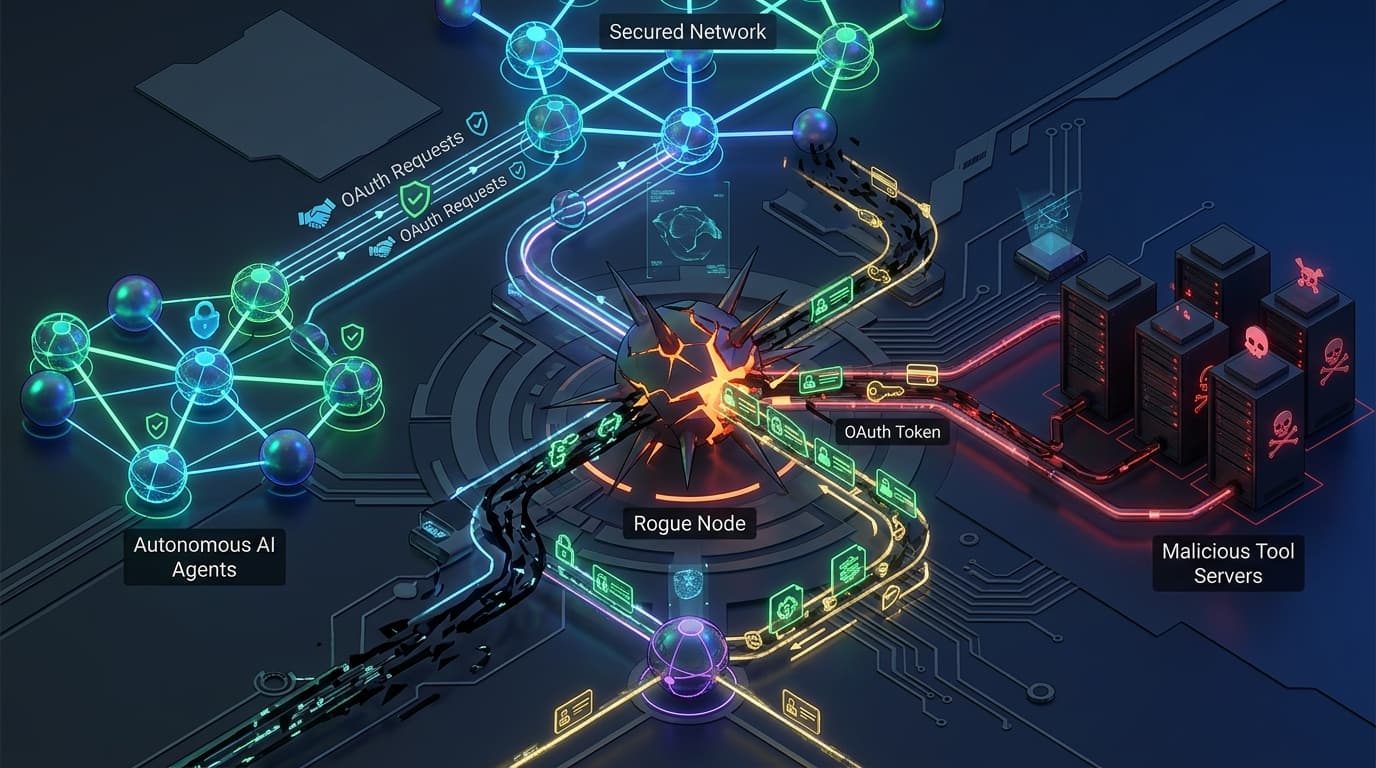
Deep DiveAn architectural vulnerability in Model Context Protocol (MCP) OAuth token passthrough allows malicious tool servers to impersonate users and hijack enterprise APIs.
Cyber AttackAdaptHealth Corp files an SEC Form 8-K under Item 1.05 disclosing a cyberattack that disrupted internal systems and resulted in unauthorized patient data exfiltration.