Forensic Perspective: What SEC Item 1.05 Disclosures Tell Defenders
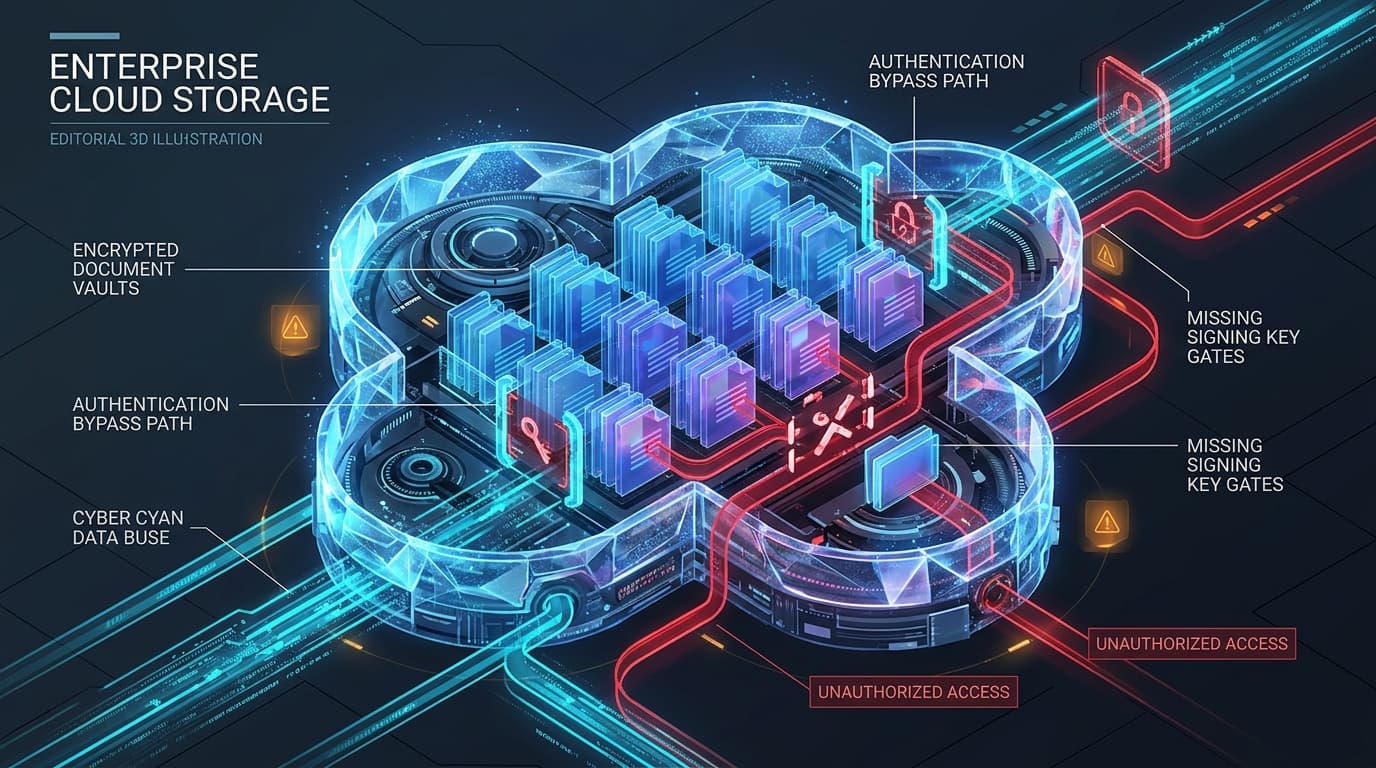
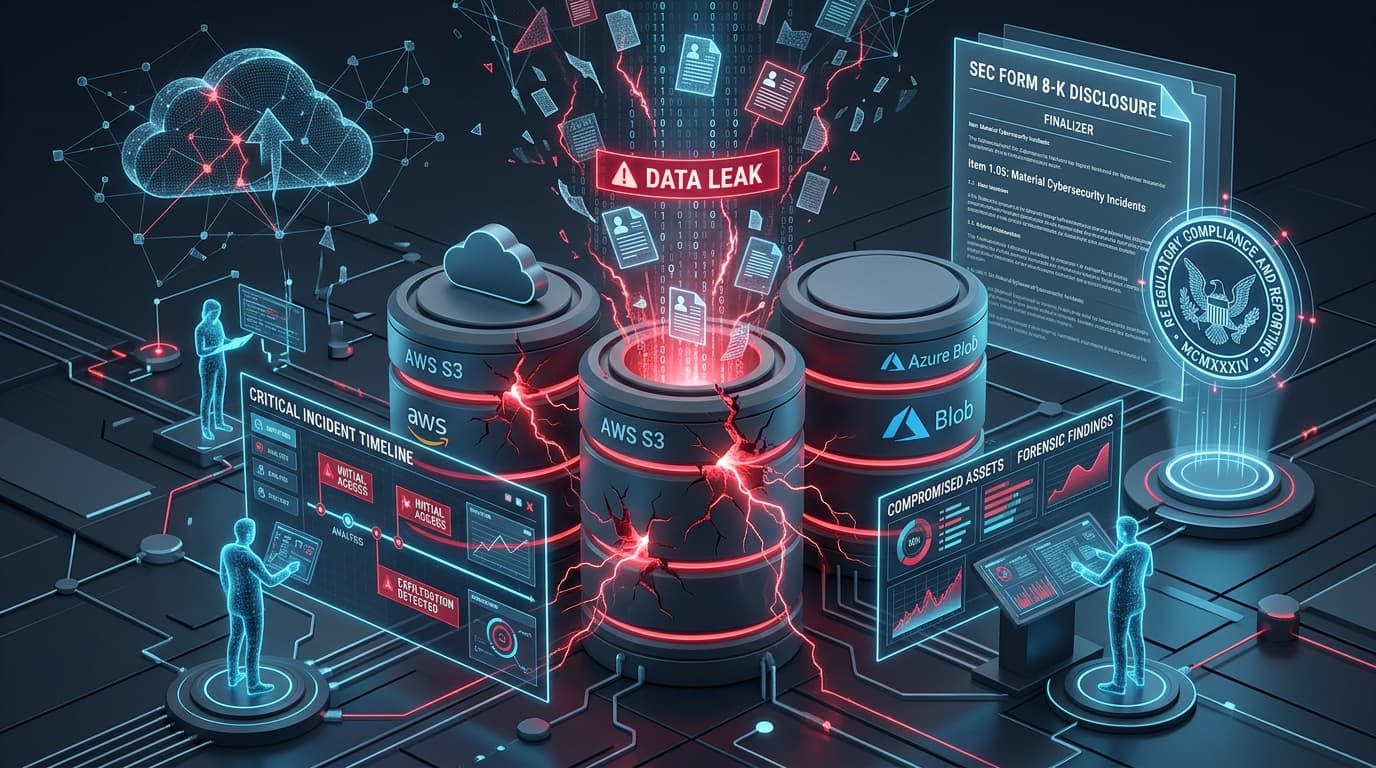
Under the U.S. Securities and Exchange Commission (SEC) cybersecurity disclosure rules, public companies must file an Item 1.05 Form 8-K within four business days of determining that a cybersecurity incident is material to their financial condition or operational viability. A technical post-mortem across recent filings reveals a recurring pattern: enterprises rarely suffer material breaches due to exotic zero-day kernel exploits. Instead, the catastrophic exfiltration of millions of sensitive records almost universally stems from cloud IAM role assumptions, exposed service principal tokens, and unencrypted object storage repositories across AWS and Microsoft Azure.
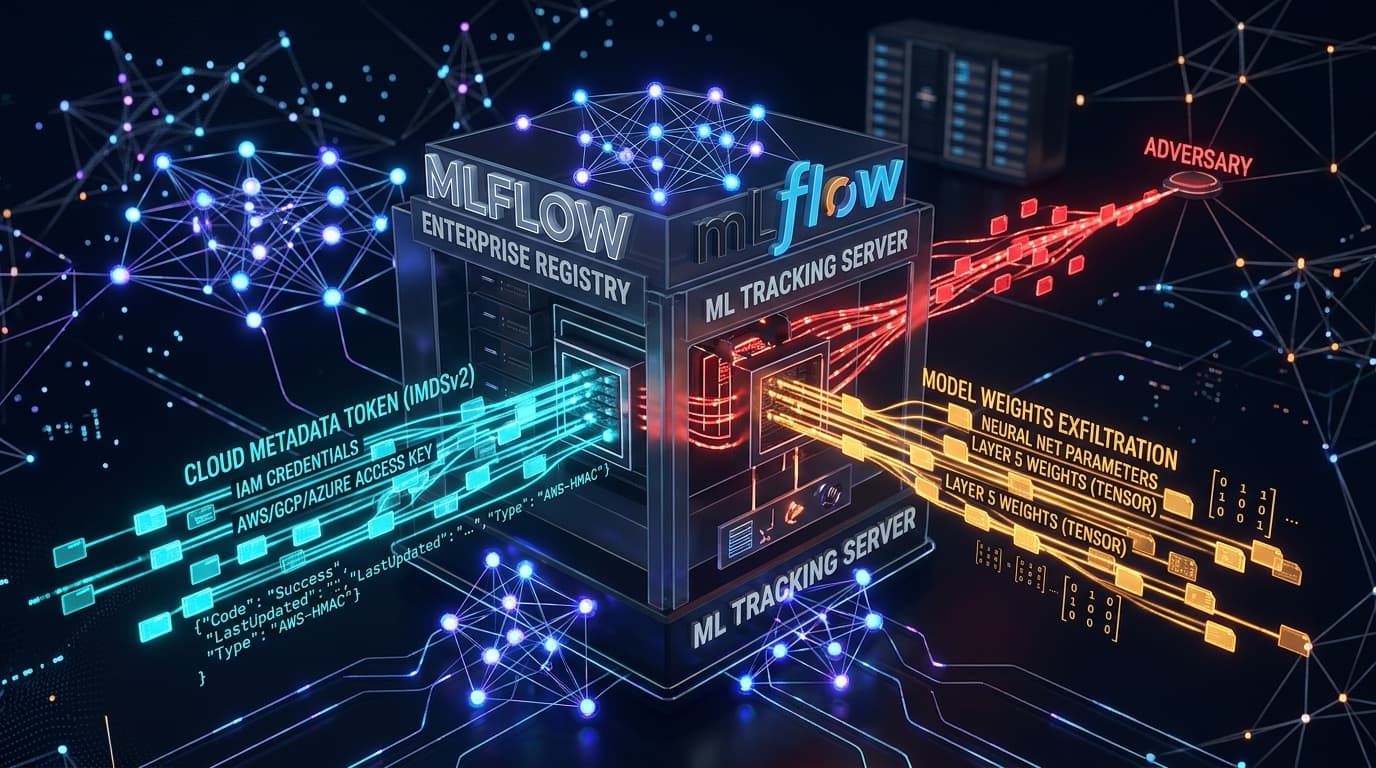
Once threat actors harvest long-lived cloud credentials—frequently leaked via public GitHub commits, forgotten Jenkins pipelines, or compromised developer laptops—they bypass traditional perimeter firewalls entirely. Because every subsequent malicious action occurs over legitimate cloud provider management APIs (e.g., s3:GetObject, sts:AssumeRole, Microsoft.Storage/storageAccounts/blobServices/generateUserDelegationKey), legacy endpoint detection tools remain silent while terabytes of intellectual property and customer PII are exfiltrated.
The Cloud Exfiltration Kill Chain: Mechanics & API Sequences
Forensic telemetry reconstructed from cloud audit ledgers illuminates the precise sequence executed by modern extortion crews and ransomware affiliates:
| Stage | Threat Actor TTP | Target API Calls | Forensic Telemetry Footprint |
|---|---|---|---|
| 1. Initial Access | Harvest leaked API keys from CI/CD artifact | sts:GetCallerIdentity |
Anomalous user-agent (e.g., Pacu, AWS-CLI, custom python-requests) from residential proxy IP. |
| 2. Privilege Escalation | Assume high-privilege cross-account IAM role | sts:AssumeRole |
Session name injection; generation of ephemeral temporary credentials with 12-hour validity. |
| 3. Discovery | Enumerate data lakes and storage accounts | s3:ListBuckets, s3:GetBucketPolicy |
Mass enumeration of hundreds of storage buckets within seconds across multiple AWS regions. |
| 4. Exfiltration | High-speed parallel chunk extraction | s3:GetObject, az storage blob download-batch |
Massive egress bandwidth spikes; gigabytes transferred to adversary-controlled cloud instances. |
| 5. Extortion | SEC 8-K weaponization & data dump | Adversary leak site publication | Threat actors contact regulatory compliance officers and SEC whistleblowers to force payment. |
Forensic Threat Hunting: Detecting Cloud Storage Exfiltration
Defenders must transition from perimeter network monitoring to real-time API anomaly detection inside AWS CloudTrail and Azure Monitor. The following Athena SQL query isolates unauthorized mass-download campaigns targeting enterprise S3 buckets:
1. AWS Athena CloudTrail Hunting Query for Mass Exfiltration
-- Detect Suspicious Mass S3 GetObject Operations by Ephemeral Roles
SELECT
    eventtime,
    useridentity.sessioncontext.sessionissuer.arn AS role_name,
    sourceipaddress,
    useragent,
    requestparameters['bucketName'] AS bucket_name,
    COUNT(*) AS read_count,
    SUM(CAST(json_extract_scalar(responseelements, '$.bytesTransferredIn') AS BIGINT)) / 1048576 AS mb_transferred
FROM cloudtrail_logs
WHERE eventname = 'GetObject'
  AND eventtime >= current_timestamp - interval '24' hour
GROUP BY
    eventtime,
    useridentity.sessioncontext.sessionissuer.arn,
    sourceipaddress,
    useragent,
    requestparameters['bucketName']
HAVING COUNT(*) > 500
ORDER BY read_count DESC;
2. Essential Cloud Storage Guardrail Playbook
- Service Control Policies (SCPs): Implement AWS Organizations SCPs that categorically deny public bucket policies (
s3:PutBucketPublicAccessBlock) across all production accounts. - VPC Endpoint Enforcement: Restrict bucket access strictly to internal Virtual Private Clouds (VPC Endpoints) using condition keys:
"aws:sourceVpce": "vpce-1a2b3c4d", preventing exfiltration even if API keys are compromised externally. - Hardware-Bound Credential Rotation: Eradicate persistent IAM user access keys; mandate AWS IAM Identity Center (Single Sign-On) with hardware FIDO2 tokens and maximum 1-hour session duration.