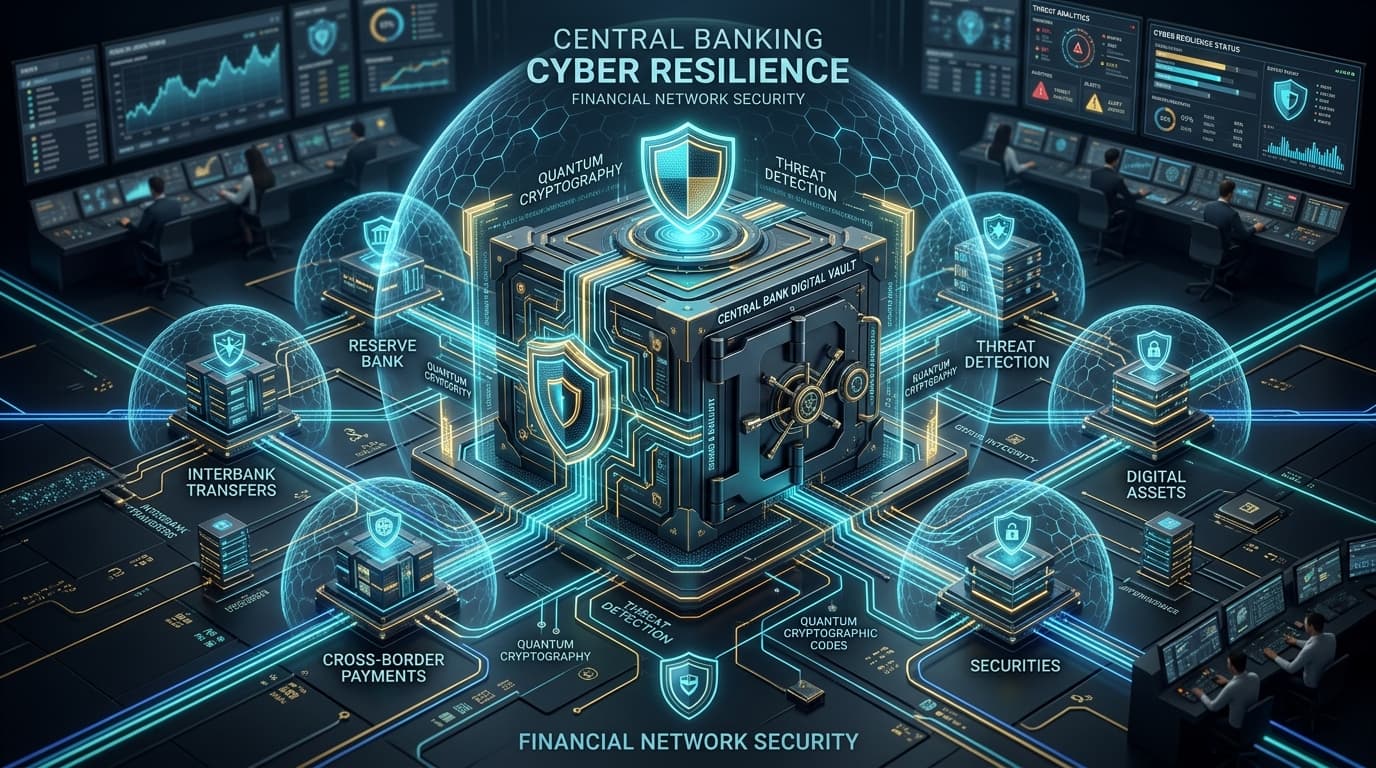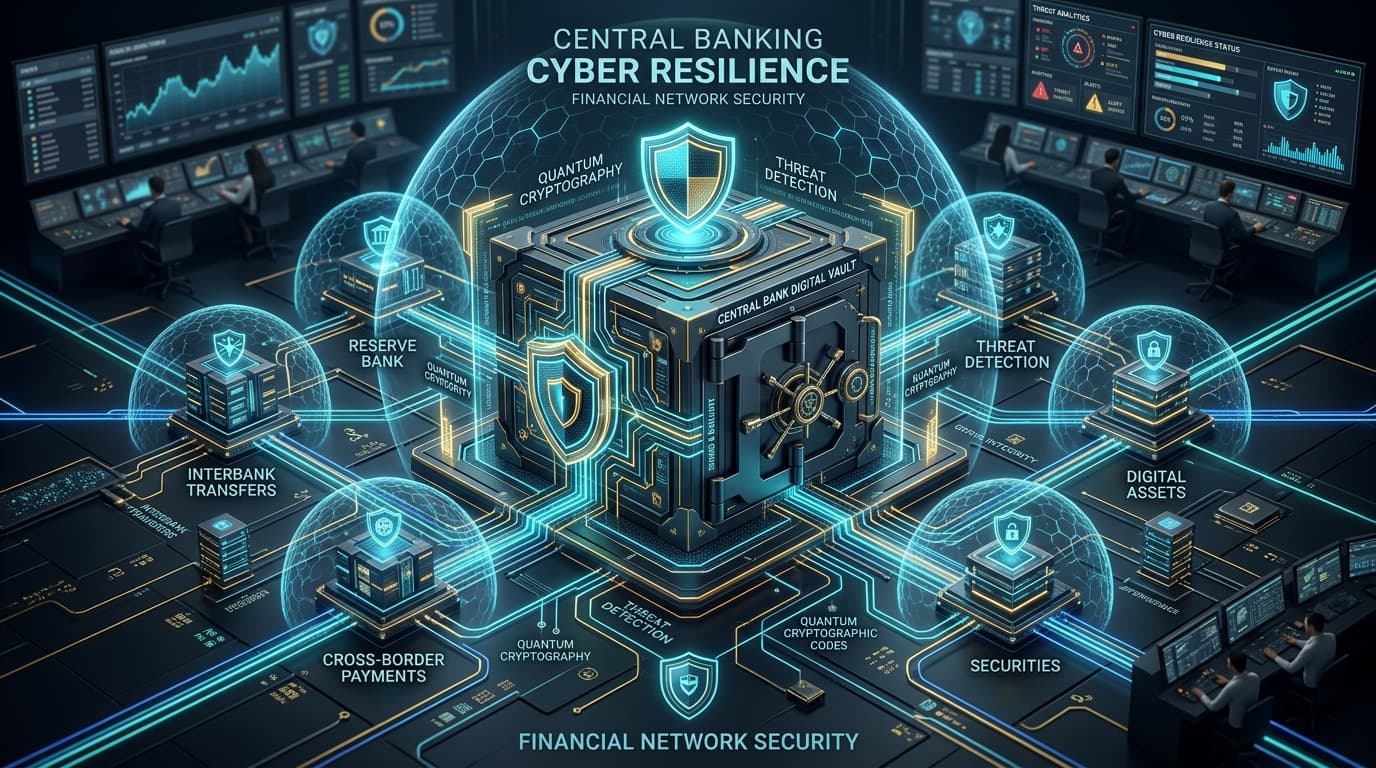
Executive Summary: RBI Tightens Regulatory Noose on Banking Cyber Resilience
The Reserve Bank of India (RBI) has initiated an intensive supervisory compliance drive enforcing its comprehensive Master Direction on Information Technology Governance, Risk, Controls and Assurance Practices alongside the updated Cyber Security Framework in Banks (CSFB). The regulatory actions directly impact Scheduled Commercial Banks (SCBs), Non-Banking Financial Companies (NBFCs), Payment System Operators (PSOs), and Urban Co-operative Banks (UCBs).
Central to the enforcement is the non-negotiable 6-hour cybersecurity incident reporting timeline, synchronized with directions from the Indian Computer Emergency Response Team (CERT-In). Financial institutions that experience ransomware intrusions, data breaches, unauthorized Core Banking System (CBS) transactions, or DDoS disruptions against payment gateways must file preliminary incident reports with the RBI Cyber Security and Information Technology Cell (CSITE) and CERT-In within 360 minutes of detection.
The 6-Hour Reporting Mandate: Incident Classification Matrix
The RBI's reporting framework eliminates ambiguity regarding what constitutes a reportable cyber incident. Regulated Entities must maintain automated SIEM and SOAR escalation playbooks mapped to the regulatory taxonomy:
| Incident Category | Qualifying Triggers | Statutory Window | Required Initial Telemetry |
|---|---|---|---|
| Critical / High Severity | Core Banking System outage, ransomware encryption of file shares, SWIFT gateway compromise | < 6 Hours | Time of detection, affected IP ranges, perimeter indicators of compromise (IOCs), customer data impact assessment |
| Payment Infrastructure Flaw | UPI switch downtime, API credential leakage, man-in-the-middle on transaction switches | < 6 Hours | Transaction volume impacted, switch failover logs, revoked API credentials, fraud containment measures |
| Third-Party SaaS / Cloud Intrusion | Exfiltration from cloud data lakes, vendor VPN lateral movement, unauthorized IAM role assumptions | < 6 Hours | Cloud service provider tenant ID, affected S3/Blob storage buckets, active IAM session revoking status |
| Comprehensive Post-Mortem | Full root-cause analysis (RCA), forensic timeline, forensic disk image hashes, remediation roadmap | < 7 Days | Full external DFIR report, CISO signed declaration, Board IT Strategy Committee review minutes |
Cloud Outsourcing & Third-Party Vendor Risk Governance
As Indian banks migrate transaction processing, customer onboarding, and analytics to hyperscale cloud providers (AWS, Microsoft Azure, Google Cloud), the RBI has codified strict rules governing cloud computing:
- Direct Audit Rights: Regulated Entities must maintain contractual guarantees enabling the bank's internal auditors, external certifiers, and RBI supervisors to physically and logically audit cloud facilities and tenant architectures without vendor hindrance.
- Data Sovereign Localization: All core banking data, payment logs, transaction credentials, and biometric records must reside exclusively within the geographic borders of the Republic of India. Cross-border latency routing or backup replication to overseas availability zones constitutes a direct violation.
- Multi-Cloud Exit Strategy: Banks running critical workloads in a single public cloud must document and annually simulate exit strategies, demonstrating the capability to migrate stateful databases and API logic to an alternative cloud or on-premise datacenter within 48 hours of catastrophic vendor failure.
Core Banking System (CBS) Isolation & Zero Trust Network Controls
The Master Direction explicitly prohibits direct Internet connectivity for any Core Banking System component, database cluster, or SWIFT alliance gateway. Financial institutions are required to enforce rigorous cryptographic isolation:
// Example Open Policy Agent (OPA) Rego policy enforcing CBS network isolation
package rbi.compliance.network

default allow = false

# Rule 1: Allow inbound access to CBS database only from authenticated API Middleware
allow {
    input.destination_port == 1521
    input.protocol == "TCP"
    input.source_zone == "middleware_app_tier"
    input.tls_client_cert_verified == true
    input.mfa_authenticated_session == true
}

# Rule 2: Deny all egress from CBS tier to public Internet gateways
deny_egress {
    input.source_zone == "cbs_database_tier"
    input.destination_cidr != "10.0.0.0/8"
}
Audit Readiness & CISO Implementation Checklist
- Automate CERT-In / RBI API Reporting: Integrate SOAR playbooks with the RBI CSITE reporting schema to generate pre-populated incident disclosure drafts immediately upon P1 triage.
- Review Cloud Master Service Agreements (MSAs): Validate that all hyperscale cloud agreements contain explicit regulatory inspection clauses, localized storage covenants, and sub-processor notification mandates.
- Conduct Red Teaming & Threat Hunting Exercises: Subject internal banking networks to semi-annual adversarial simulations conducted by CERT-In empanelled auditing firms, presenting raw finding matrices directly to the Board of Directors.