Executive Overview
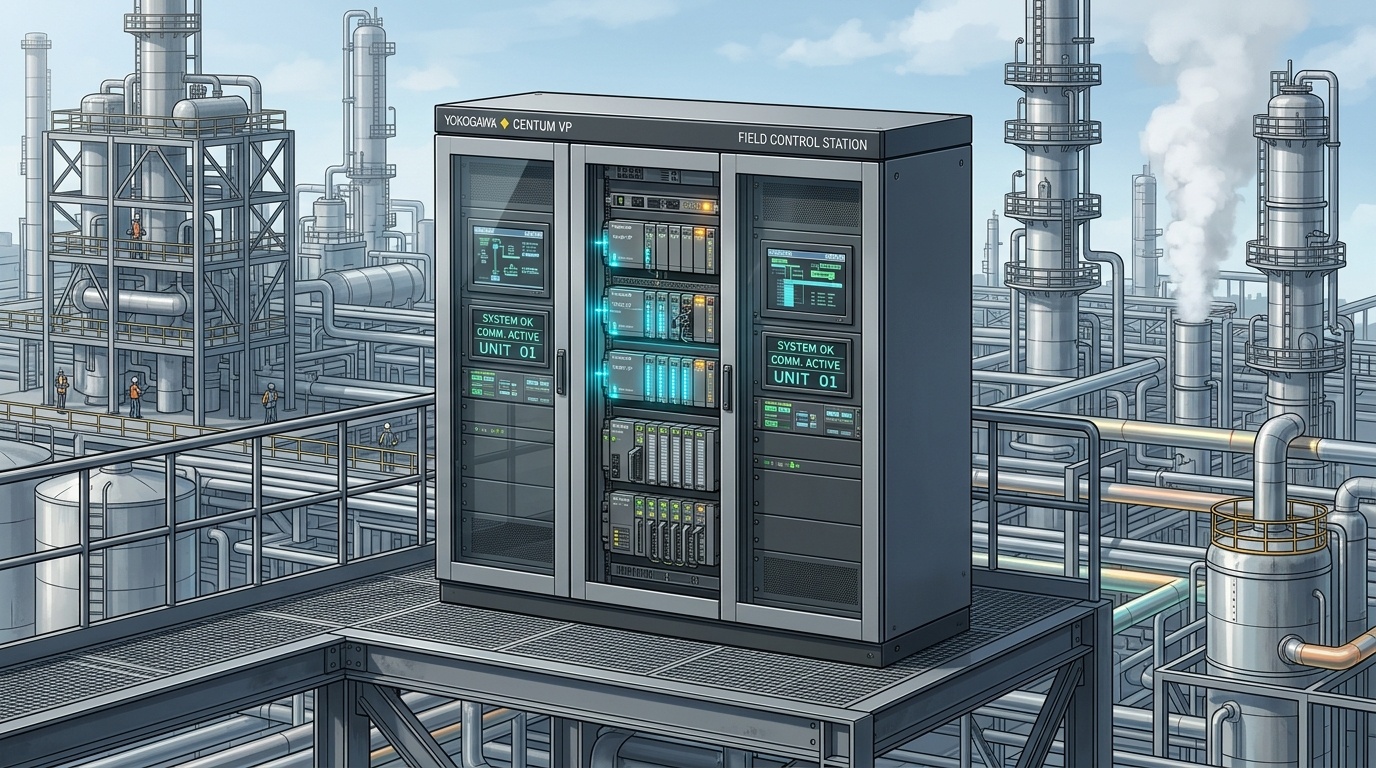
Yokogawa Electric Corporation, in collaboration with CISA, has published security advisory YSAR-26-0004 addressing CVE-2026-72840, a critical denial-of-service vulnerability affecting CENTUM VP Field Control Stations (FCS). CENTUM VP is one of the world's most widely deployed Distributed Control Systems (DCS), orchestrating core production operations in oil refineries, liquefied natural gas (LNG) terminals, chemical processing complexes, and power generating plants.
The vulnerability, rated with a CVSS v3.1 score of 8.6 (High), allows an attacker with access to the Vnet/IP control network to transmit malformed UDP communication frames that trigger an unhandled memory exception in the FCS communication module, forcing an unexpected controller restart and interrupting continuous control loops.
Vulnerability Mechanics: Vnet/IP Broadcast Frame Parser Failure
Vnet/IP is Yokogawa’s proprietary deterministic industrial control network operating on Gigabit Ethernet. FCS controllers utilize dedicated communication interface cards (such as the AFV30D and AFV40D) to process real-time process data exchange over UDP ports 51004 through 51008.
The firmware routine parsing variable-length diagnostic inquiry frames failed to validate that the embedded header length matched the actual IP payload size. When a truncated or oversized frame is received, the network interface card processor experiences an out-of-bounds pointer read, resulting in a hardware watchdog timeout:
// Malformed Vnet/IP Frame Structure:
// UDP Destination Port: 51006 (Vnet/IP System Management)
// Frame Type: 0x4B (Diagnostic Telemetry Poll)
// Declared Payload Length: 0x0180 (384 bytes)
// Actual Received Bytes: 0x0040 (64 bytes)
// Result: Memory Watchdog Trigger -> FCS Fail-Safe Warm Reset
Operational Impact on Continuous Process Automation
In continuous chemical and petroleum refining, DCS controllers must operate continuously without interruption for years between scheduled turnarounds. Unlike discrete manufacturing, where a robot arm can simply pause, halting a DCS controller in an exothermic chemical process can trigger catastrophic physical over-pressurization:
- Loss of Automatic Loop Control: When an FCS restarts, PID control loops governing distillation column reboilers, reflux pumps, and safety shutoff valves transition to predefined fallback states.
- Flaring and Emergency Depressurization: Loss of DCS oversight forces automated safety instrumented systems (SIS) to trip plant units, venting hundreds of tons of hydrocarbons to emergency flare systems.
- Multi-Day Production Outages: Restarting and stabilizing a multi-unit ethylene cracker or crude distillation unit following an unexpected FCS trip typically requires 48 to 72 hours of recommissioning procedures.
Remediation & Defense-in-Depth Roadmap
Yokogawa has released software revisions across affected CENTUM VP releases. Plant operations and automation cybersecurity engineers must execute the following remediation measures:
- Apply Software Revisions: Upgrade CENTUM VP systems to R6.10.00 or install the hotfix patches specified in Yokogawa Advisory YSAR-26-0004.
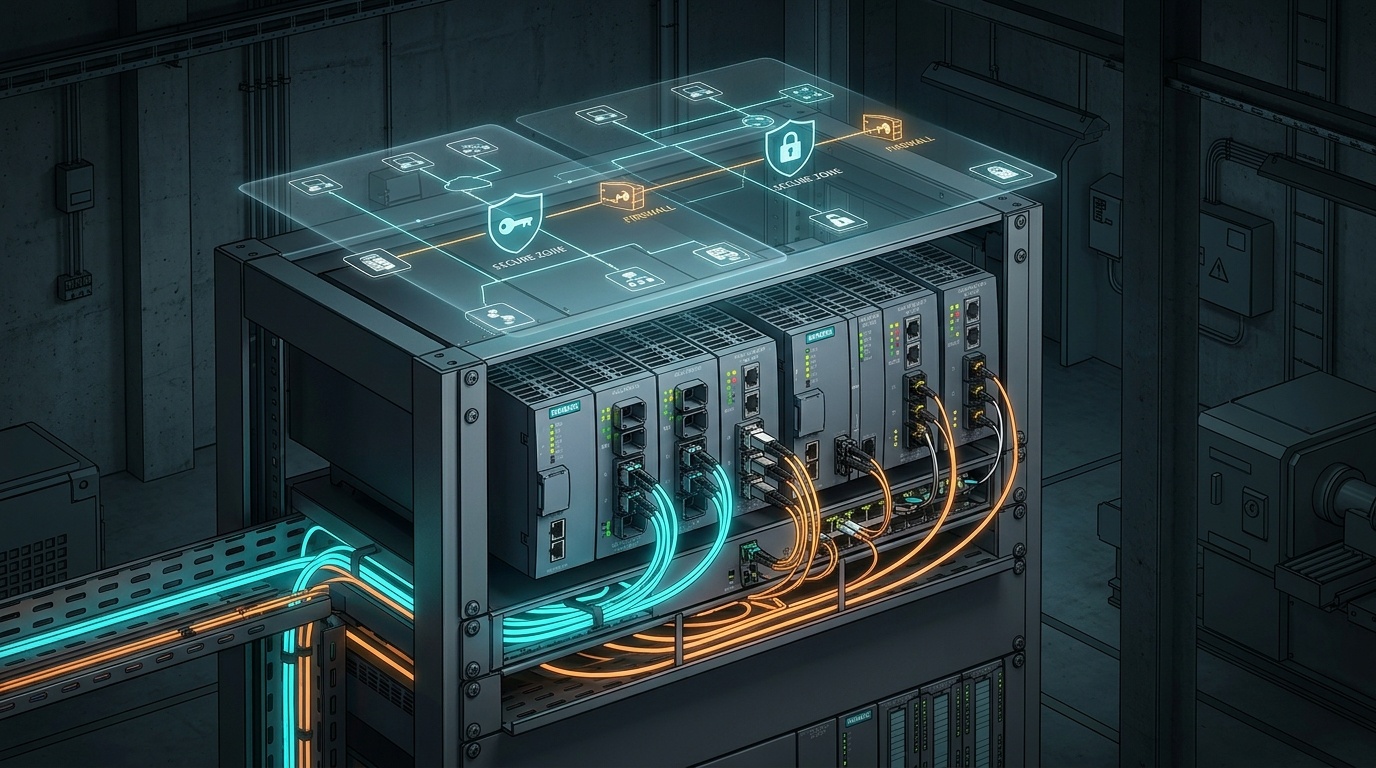
- Enforce Vnet/IP Network Segmentation: Ensure the Vnet/IP bus is physically and logically segregated from standard IT and supervisory networks (Purdue Level 2/3 boundary) in accordance with IEC 62443-3-2.
- Deploy Managed Industrial Switches with Port Security: Lock down industrial Ethernet switches interconnecting FCS cabinets using static MAC address binding and 802.1X port authentication.
- Filter UDP Ports 51004-51008: Block all UDP traffic on ports 51004 through 51008 at the perimeter firewall separating the Human Interface Stations (HIS) from the engineering subnet.