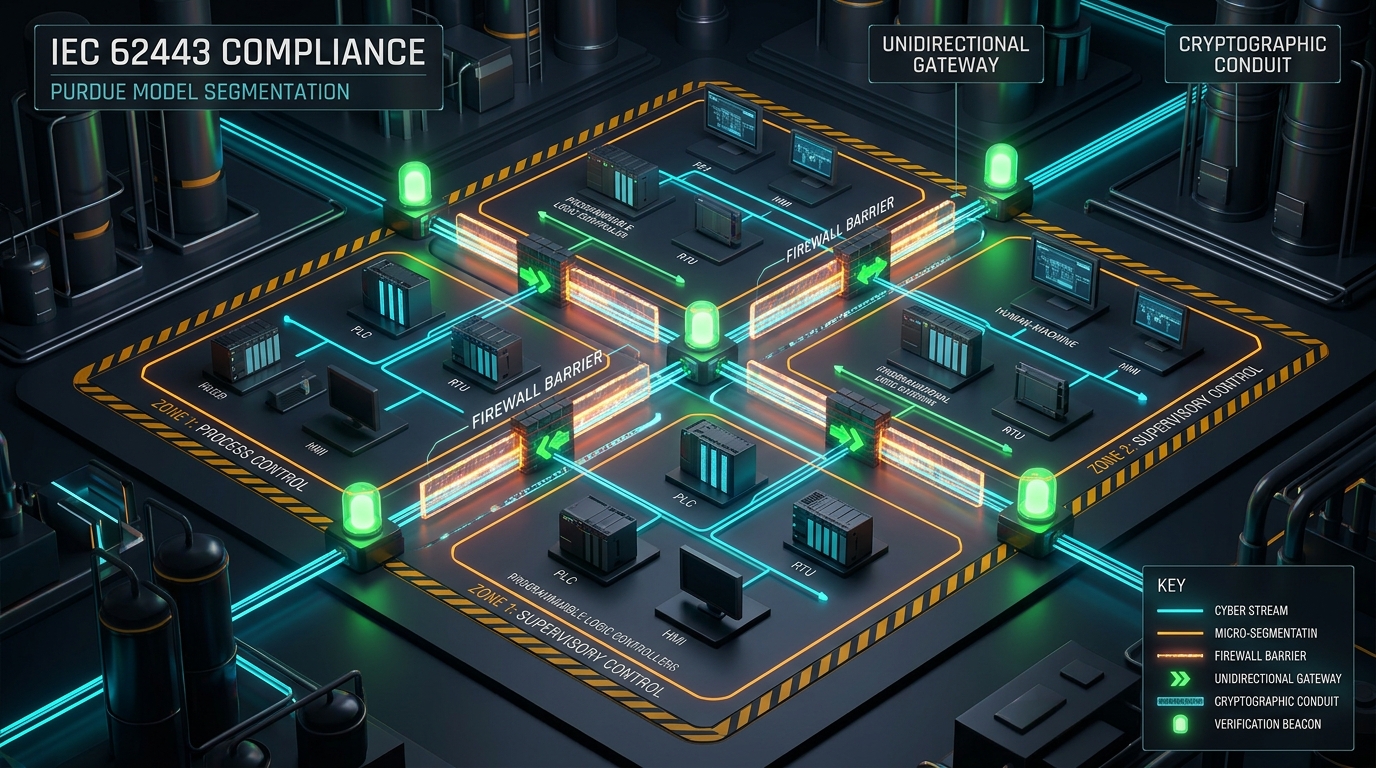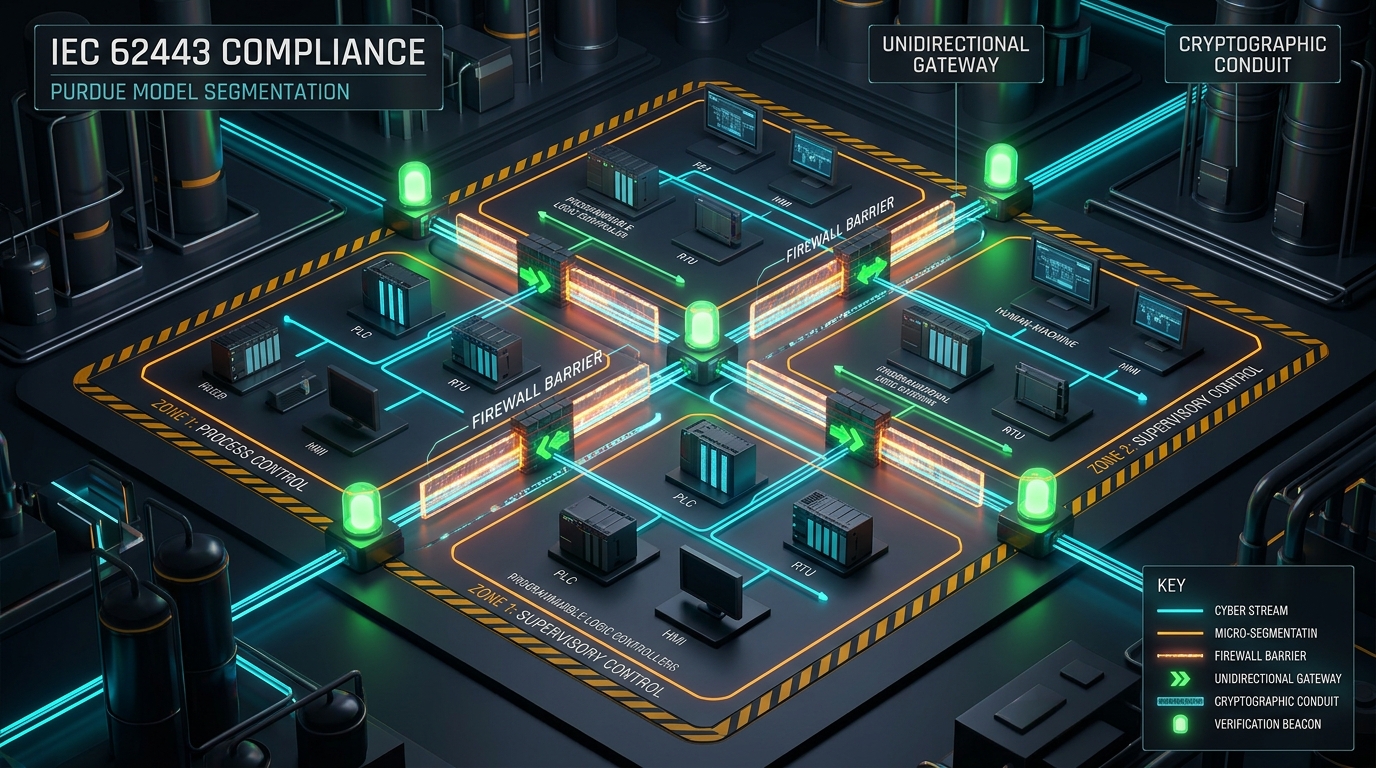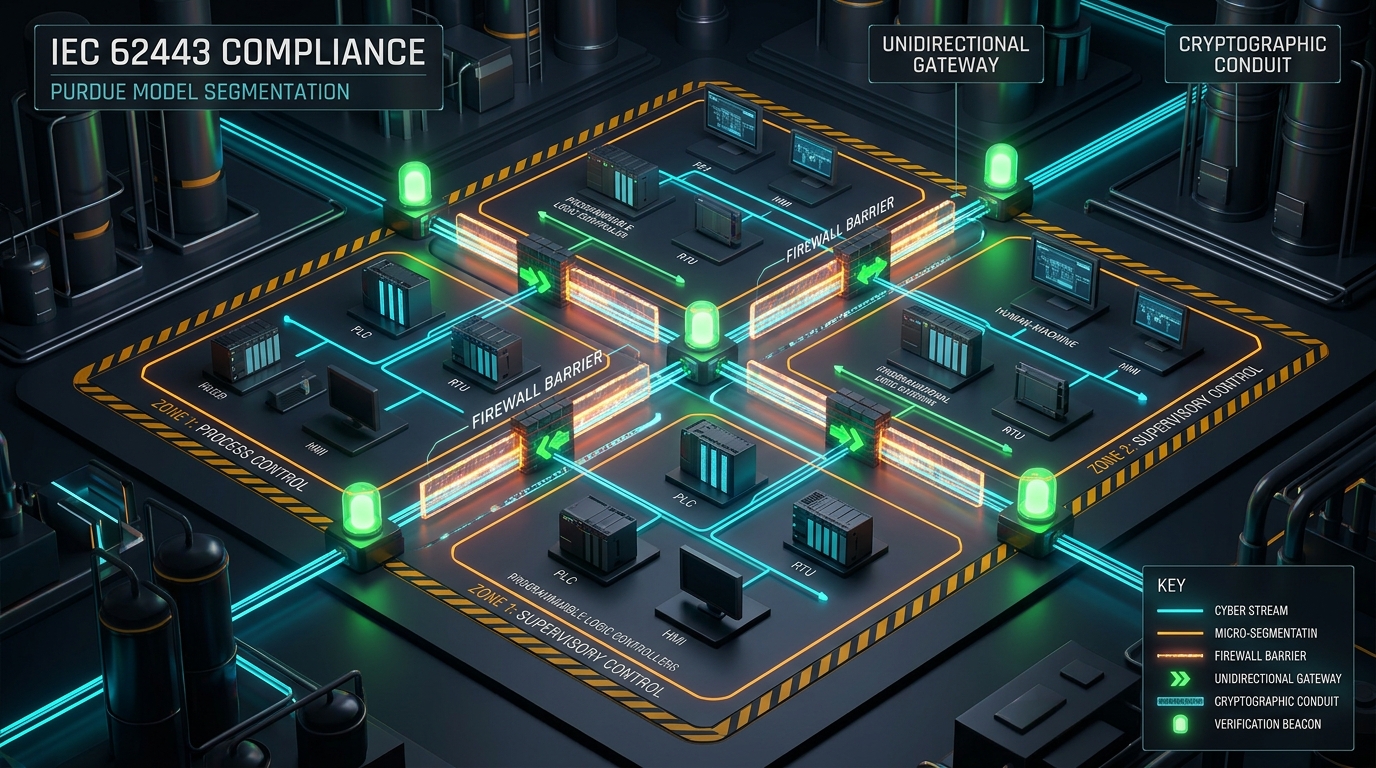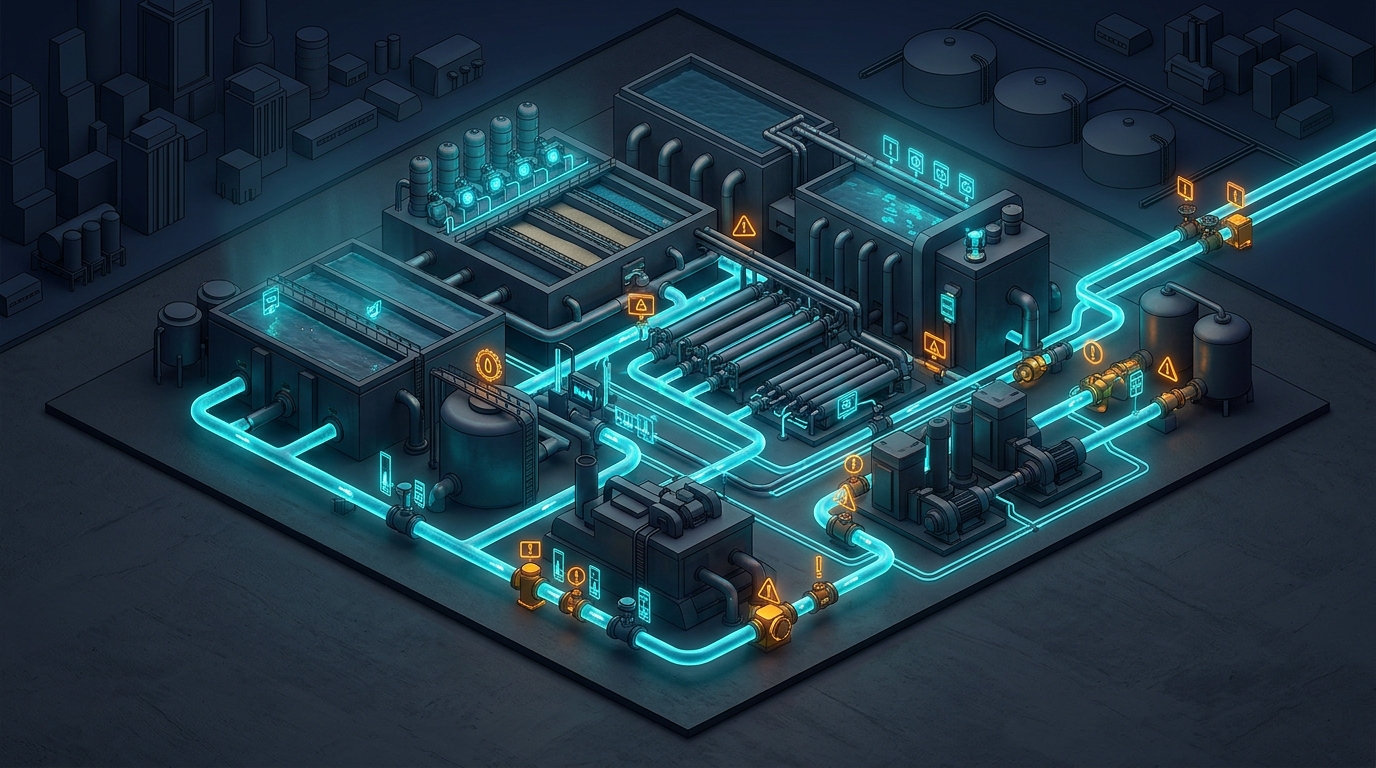
A forensic analysis of a recent U.S. Securities and Exchange Commission (SEC) Form 8-K Item 1.05 filing submitted by a major regulated municipal utility reveals a sophisticated cyber intrusion targeting operational technology (OT) SCADA gateways. The incident highlights escalating cyber risk facing critical water and wastewater treatment facilities, where legacy perimeter access controls continue to expose core physical process telemetry to remote compromise.
Intrusion Timeline and Initial Access Forensics
According to forensic disclosures filed with the SEC, adversaries achieved initial access by exploiting default administrative credentials on an internet-facing cellular remote telemetry unit (RTU) gateway deployed at an outlying booster pumping station. The gateway lacked multi-factor authentication (MFA) and resided on an unsegmented corporate VLAN directly connected to the utility's central supervisory control and data acquisition (SCADA) network.
Once inside, the threat actors deployed living-off-the-land techniques to map internal Modbus TCP communications between human-machine interface (HMI) workstations and programmable logic controllers governing chemical dosing pumps:
// Adversary Lateral Reconnaissance Pattern Observed in Firewall Telemetry
[Compromised RTU Cellular Gateway: IP 198.51.100.42]
                    |
                    +--> [Internal Network Sweep: TCP Port 502 (Modbus), TCP Port 44818 (EtherNet/IP)]
                    |
                    +--> [Compromised HMI Workstation: Unauthorized VNC Session Established]
                    +--> [Tampered Alert Thresholds: Sodium Hypochlorite High-Limit Warning Suppressed]
Operational Containment and Physical Failsafes
The attackers altered software-level chemical dosage parameters within the HMI software, attempting to increase caustic chemical feeds while suppressing console alarm thresholds. However, physical pressure-relief valves and independent hardware-calibrated analytical analyzers detected the chemical variance, automatically tripping emergency shutdown circuits before treated water entered the municipal distribution aqueduct.
Regulatory Mandates and Critical Infrastructure Defense
- Enforce Mandatory Hardware-Token MFA: Immediately mandate phishing-resistant FIDO2 multi-factor authentication on all remote access gateways connecting to water utility operational perimeters.
- Eliminate Direct Cellular RTU Routing: Route all cellular IoT and RTU gateway traffic through encrypted IPsec VPN tunnels terminating at a dedicated OT demilitarized zone (DMZ).
- Deploy Out-of-Band Physical Alarms: Ensure critical chemical and pressurization thresholds trigger hardwired annunciator alarms that cannot be overridden by software-level network modifications.