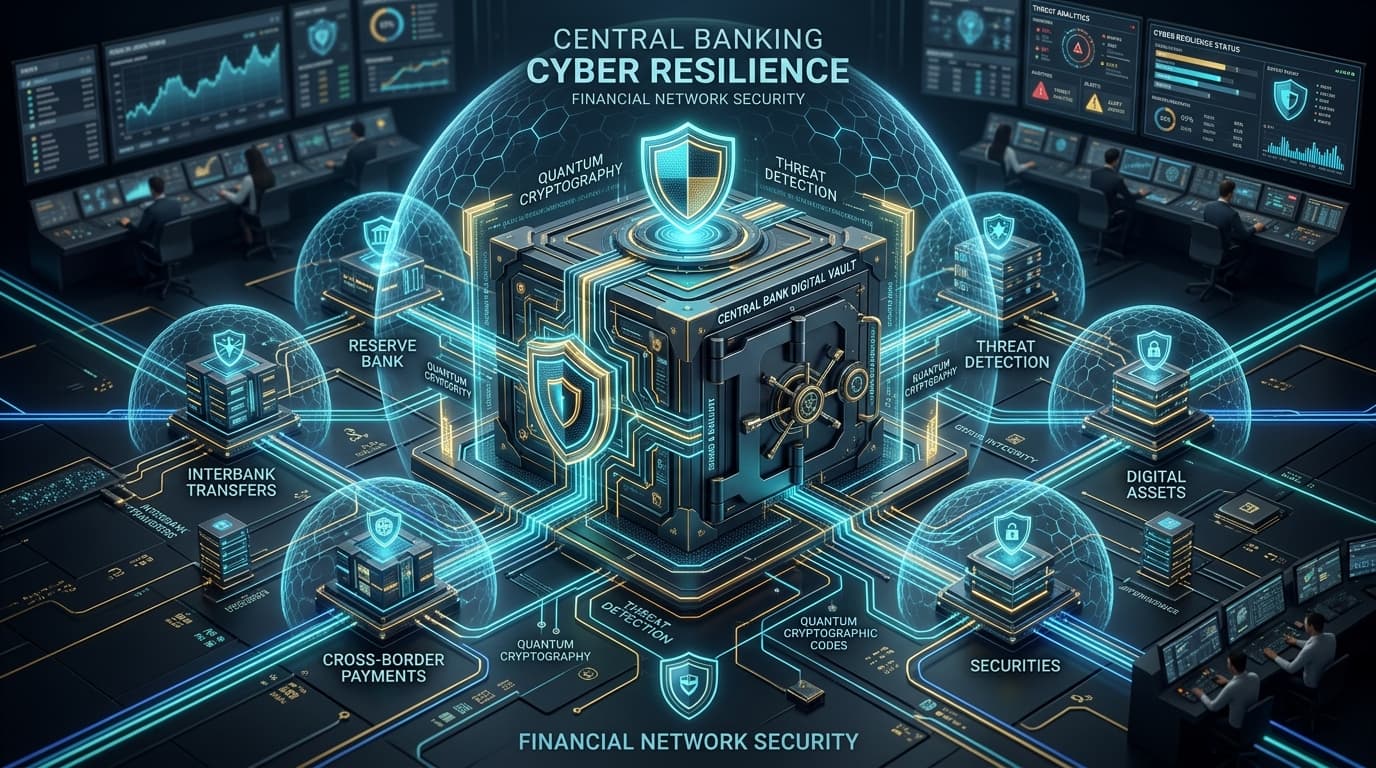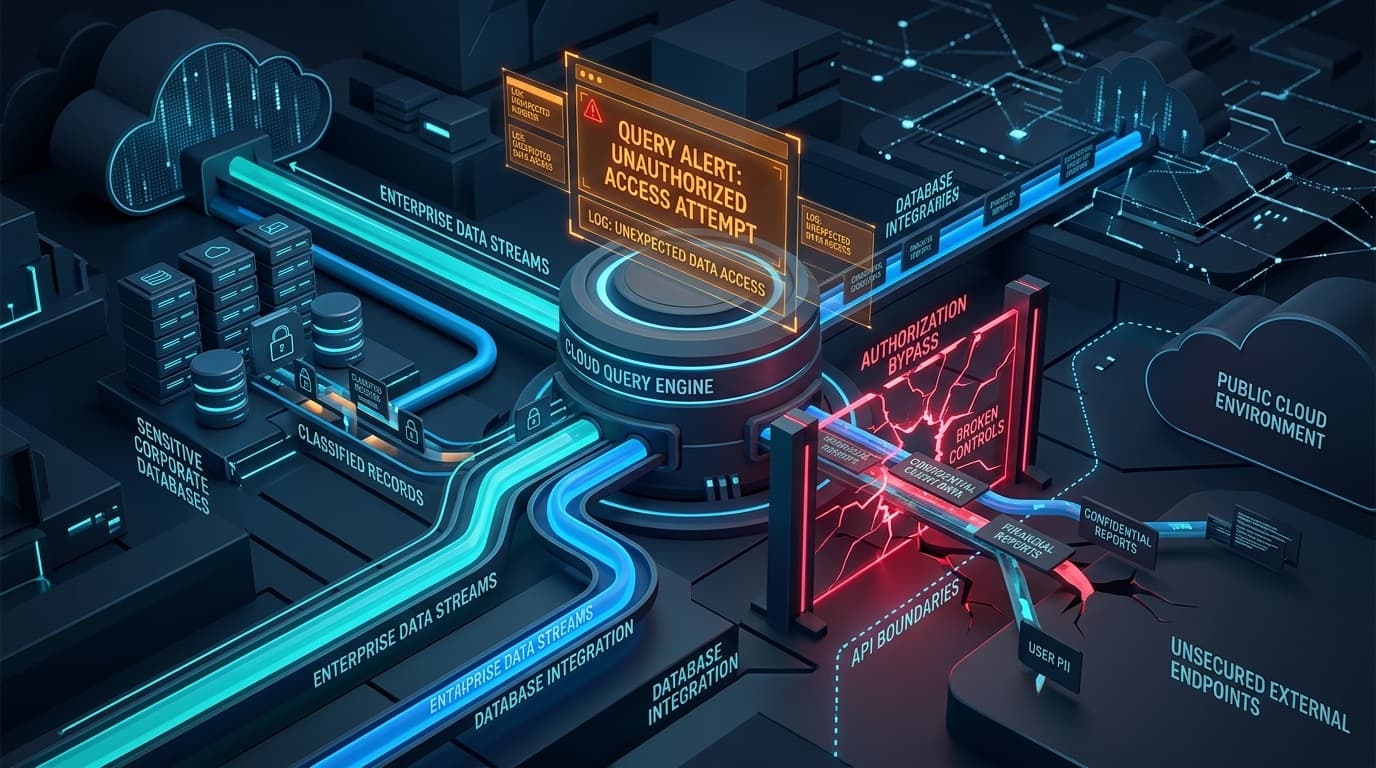
The Reserve Bank of India (RBI) has operationalized comprehensive, binding Master Directions on Cyber Resilience and Digital Payment Security Controls for non-bank Payment System Operators (PSOs). The regulatory framework establishes rigorous governance standards, cryptographic protections for digital settlement rails, and a mandatory 6-hour incident disclosure SLA to both the RBI and CERT-In.
Regulatory Landscape: Securing India's Digital Payment Rails
India's digital payment ecosystem—spanning Unified Payments Interface (UPI), prepaid payment instruments (PPIs), payment aggregators (PAs), and cross-border gateways—processes billions of transactions monthly. As non-bank payment fintechs handle massive transaction volumes and direct banking API integrations, regulatory authorities have intensified oversight to eliminate systemic vulnerabilities.
The Master Directions apply to all authorized non-bank PSOs, including payment aggregators, retail payment networks, card network operators, and digital wallet providers. The directives bridge the gap between bank-grade security standards and fast-evolving fintech architectures.
Core Pillars of the RBI Cyber Resilience Framework
The Master Directions establish baseline obligations structured across four governance and technical dimensions:
1. Board-Level Governance & CISO Accountability
Every regulated payment entity must designate a full-time, independent Chief Information Security Officer (CISO) who reports directly to the Board of Directors or a designated Board Risk Committee. PSOs must establish an Information Security Committee (ISC) that meets at least quarterly to review:
- Cyber risk appetite and third-party vendor dependency matrices.
- Annual vulnerability assessment and penetration testing (VAPT) findings conducted by CERT-In empaneled auditing firms.
- Red-team simulation outcomes targeting digital payment API switches.
2. The Mandatory 6-Hour Incident Notification Rule
In alignment with CERT-In cybersecurity directions, payment operators must report any cyber incident affecting payment infrastructure within 6 hours of discovery:
# Incident notification escalation SLA under RBI Master Directions
[T = 0 Hours] --> Intrusion Detected in Payment Ingress Gateway
      |
[T + 2 Hours] --> Preliminary Scoping by SOC / CSIRT
      |
[T <= 6 Hours] -> Formal Incident Submission to RBI Department of Payment and Settlement Systems
                  & CERT-In Incident Response Desk (mandatory report form)
      |
[T + 24 Hours] -> Detailed Root Cause Analysis (RCA) and IOC Telemetry Submission
3. Cryptographic Key Lifecycle & API Gateway Security
The directive strictly prohibits the storage of plain-text payment credentials, API master keys, and symmetric encryption secrets within software configuration repositories. PSOs must deploy Hardware Security Modules (HSMs) evaluated at FIPS 140-2/3 Level 3 to manage transaction signing keys.
Merchant onboarding and payment routing APIs must enforce mutual TLS (mTLS), strict request signing using asymmetric keypairs, and automated token revocation upon abnormal withdrawal velocity detection.
Compliance Metric & Requirement Matrix
| Compliance Domain | Mandatory Regulatory Standard |
|---|---|
| Applicable Entities | Non-bank Payment System Operators (PSOs), Payment Aggregators, PPI Issuers |
| Incident Reporting Window | Strict 6-hour reporting to RBI & CERT-In from time of detection |
| Hardware Cryptography | FIPS 140-2/3 Level 3 Hardware Security Modules (HSMs) for key management |
| Security Audit Mandate | Annual comprehensive VAPT & Red-Teaming by CERT-In empaneled auditors |
| Third-Party Risk (TPRM) | Mandatory right-to-audit clauses and continuous cloud vendor assessments |
| Non-Compliance Penalties | Operational restrictions, monetary fines, or revocation of PSO authorization |
Actionable Implementation Roadmap for Fintech CISOs
Fintech engineering leadership, compliance officers, and cloud security architects must execute the following remediation measures:
1. Automate 6-Hour CSIRT Notification Pipelines
Integrate SIEM/SOAR playbooks that trigger standardized regulatory incident dispatch forms as soon as a severity-1 security alert is declared:
# SOAR Playbook: Automated regulatory notification dispatch trigger
def trigger_regulatory_escalation(alert):
    if alert.severity == "CRITICAL" and alert.category in ["UNAUTHORIZED_ACCESS", "DATA_EXFILTRATION"]:
        soc_analyst = alert.assigned_analyst
        generate_rbi_incident_draft(alert)
        notify_ciso_immediate(alert)
        start_six_hour_regulatory_clock(alert)
2. Implement HSM-Backed Secret Isolation
Migrate all payment signature generation routines from software environment variables to dedicated cloud HSM or on-premises cryptographic appliances.
3. Continuous Third-Party Vendor Risk Auditing
Audit all outsourced cloud infrastructure providers, SMS delivery gateways, and merchant SDKs to ensure data residency compliance within Indian jurisdiction as prescribed under Section 10(2) of the Payment and Settlement Systems Act.