Executive Summary: Energy Giant Triggers SEC Item 1.05 Filing
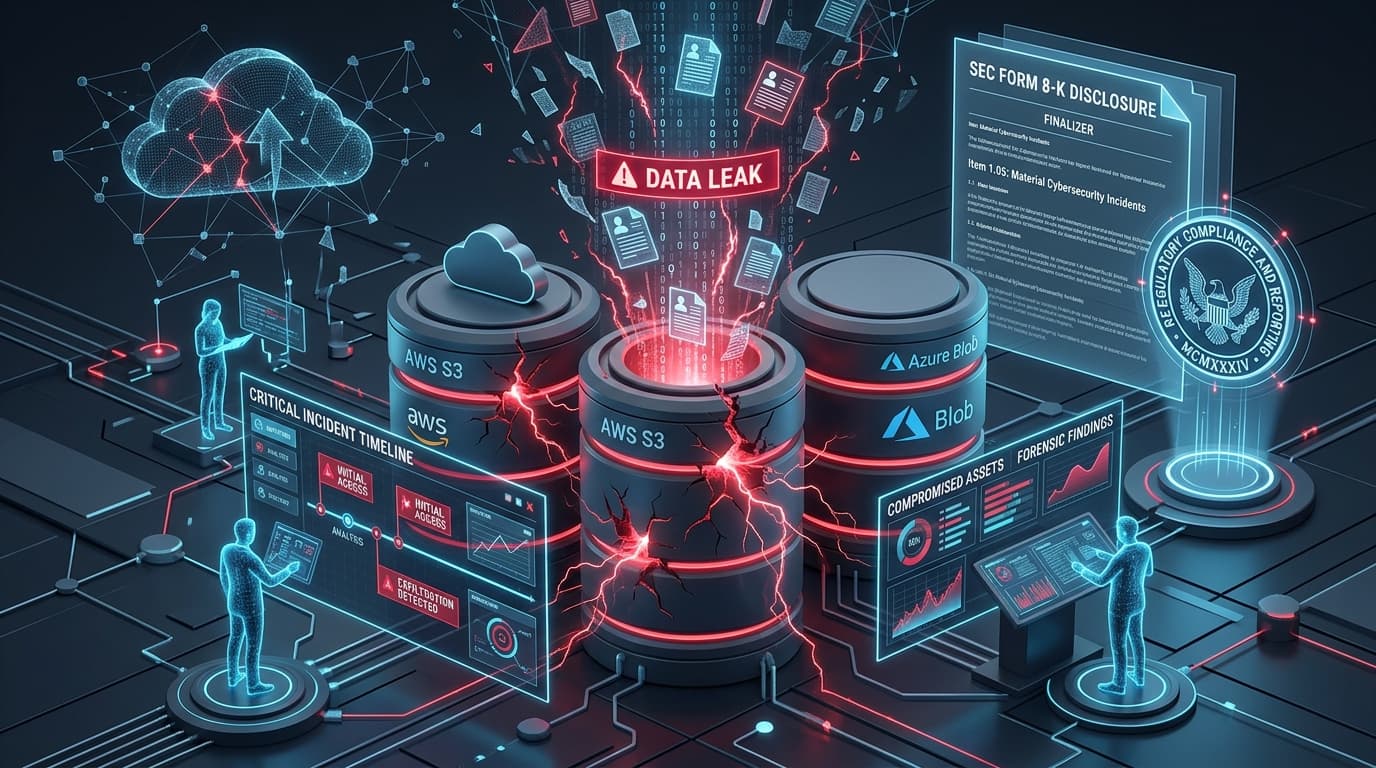
In a major regulatory disclosure sent to the U.S. Securities and Exchange Commission (SEC), Halliburton Company (NYSE: HAL)—one of the world's largest providers of products and services to the energy industry—formally filed a Current Report on Form 8-K under Item 1.05 (Material Cybersecurity Incidents). The regulatory disclosure documents an unauthorized intrusion into the company's IT environment that triggered extensive system disconnections, disrupting administrative workflows and operational dispatch systems across global business lines.
Employing nearly 50,000 personnel across more than 70 nations, Halliburton provides drilling, evaluation, completion, and production operations for major multinational oil, gas, and renewable energy operators. Because Halliburton's technical platforms interface directly with upstream reservoir modeling, seismic telemetry, and specialized drilling automation software, the intrusion prompted immediate isolation measures to safeguard operational technology (OT) boundaries.
Forensic Incident Progression & Response Timeline
According to the regulatory disclosures and verified corporate communications, the incident unfolded through four defined phases:
| Date / Milestone | Operational Event | Technical Action Taken |
|---|---|---|
| Day 0 (Detection) | Unusual activity detected in North American corporate Active Directory domain | SOC alerts internal incident response team; external IR firm mobilized |
| Day 1 (Containment) | Threat actors attempt lateral movement toward enterprise ERP & file clusters | Company proactively disconnects internal IT networks and public internet gateways |
| Day 2 (Item 8.01 Filing) | Voluntary preliminary disclosure submitted to SEC under Item 8.01 | Federal law enforcement (FBI, CISA) formally notified; forensics triage initiates |
| Day 12 (Item 1.05 Filing) | Determination of materiality finalized; formal Item 1.05 Form 8-K submitted | Discloses material business impact, ongoing recovery costs, and client outreach |
Blast Radius & Segregation of Operational Technology (OT)
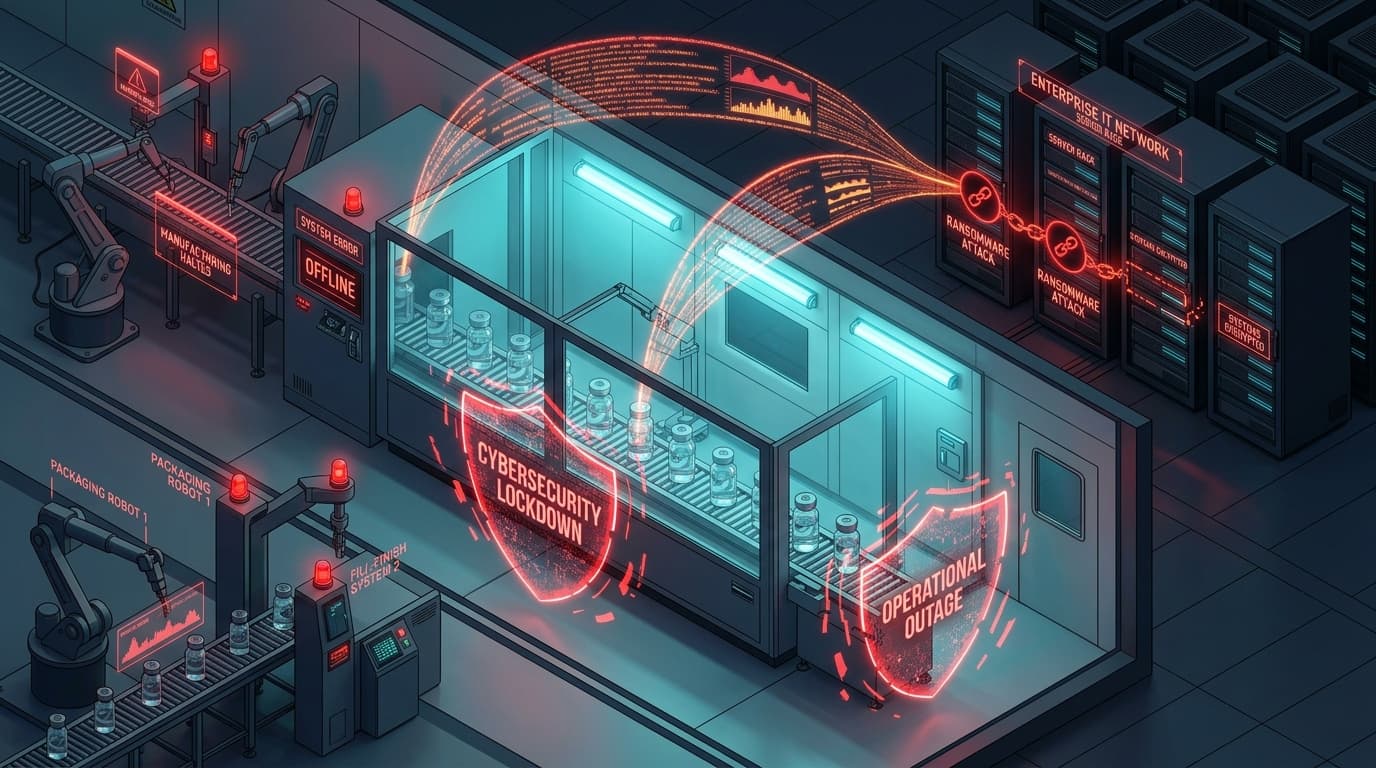
A central priority during the incident response was the strict containment of the corporate IT network to prevent any bridging into field-level supervisory control and data acquisition (SCADA) systems or industrial IoT wellhead sensors.
Halliburton confirmed that critical drilling rigs, offshore operations, and well-completion sites remained physically and logically operational. Field crews transitioned to offline manual dispatching and localized communication protocols while IT systems were scrubbed:
- ERP & Billing Paralysis: Enterprise resource planning (SAP) databases and supplier procurement portals were temporarily taken offline, causing billing delays and invoice processing backlogs.
- Identity Infrastructure Rebuild: Forensic teams instituted enterprise-wide credential revocations, re-authenticating administrative accounts across hybrid Entra ID / on-premise Active Directory forests.
- Endpoint EDR Deployment: Threat hunting agents scanned tens of thousands of corporate laptops, workstations, and datacenter hypervisors before permitting re-entry into trusted VLANs.
Regulatory Precedent Under SEC Cybersecurity Rules
The Halliburton disclosure represents a significant milestone in corporate compliance under the SEC's cybersecurity framework adopted in late 2023. Under these rules:
- Four-Day Materiality Deadline: Registrants must file Form 8-K Item 1.05 within four business days of concluding that an incident is material.
- Dual-Track Disclosure Strategy: Halliburton initially filed an Item 8.01 ("Other Events") notice while assessing financial impact, before formally committing to an Item 1.05 report once customer billing and remediation expenses exceeded internal materiality thresholds.
- Scope of Description: Companies must detail the nature, scope, and timing of the breach, alongside qualitative assessments of impacts on operations, financial condition, and shareholder value.
CISO & Energy Sector Infrastructure Takeaways
The intrusion highlights several crucial lessons for enterprise security architects managing critical infrastructure supply chains:
- Enforce Uncompromising IT/OT Air-Gapping: The success of Halliburton's containment rested on the absolute architectural decoupling of its corporate network from industrial drilling controls. Purdue Model Level 2 and Level 3 segments must never share Active Directory trusts with corporate IT domains.
- Rehearse Manual Operational Fallbacks: Energy enterprises must regularly exercise "black-sky" simulations where corporate billing, communications, and telemetry portals are completely unavailable for weeks at a time.
- Automate Materiality Assessment Frameworks: Legal, compliance, and cybersecurity executives must establish cross-functional war rooms with predefined financial thresholds to meet SEC Item 1.05 reporting deadlines without compromising ongoing law enforcement investigations.