Executive Lead: Biotechnology Giant Discloses Cloud-Hosted Clinical Data Theft
In a significant regulatory filing that exposes the vulnerabilities of third-party cloud ecosystems in the life sciences sector, Amgen Inc. (NASDAQ: AMGN)—one of the world's premier independent biotechnology multinational corporations—has formally submitted a Current Report on Form 8-K under Item 1.05 (Material Cybersecurity Incidents) to the U.S. Securities and Exchange Commission (SEC).
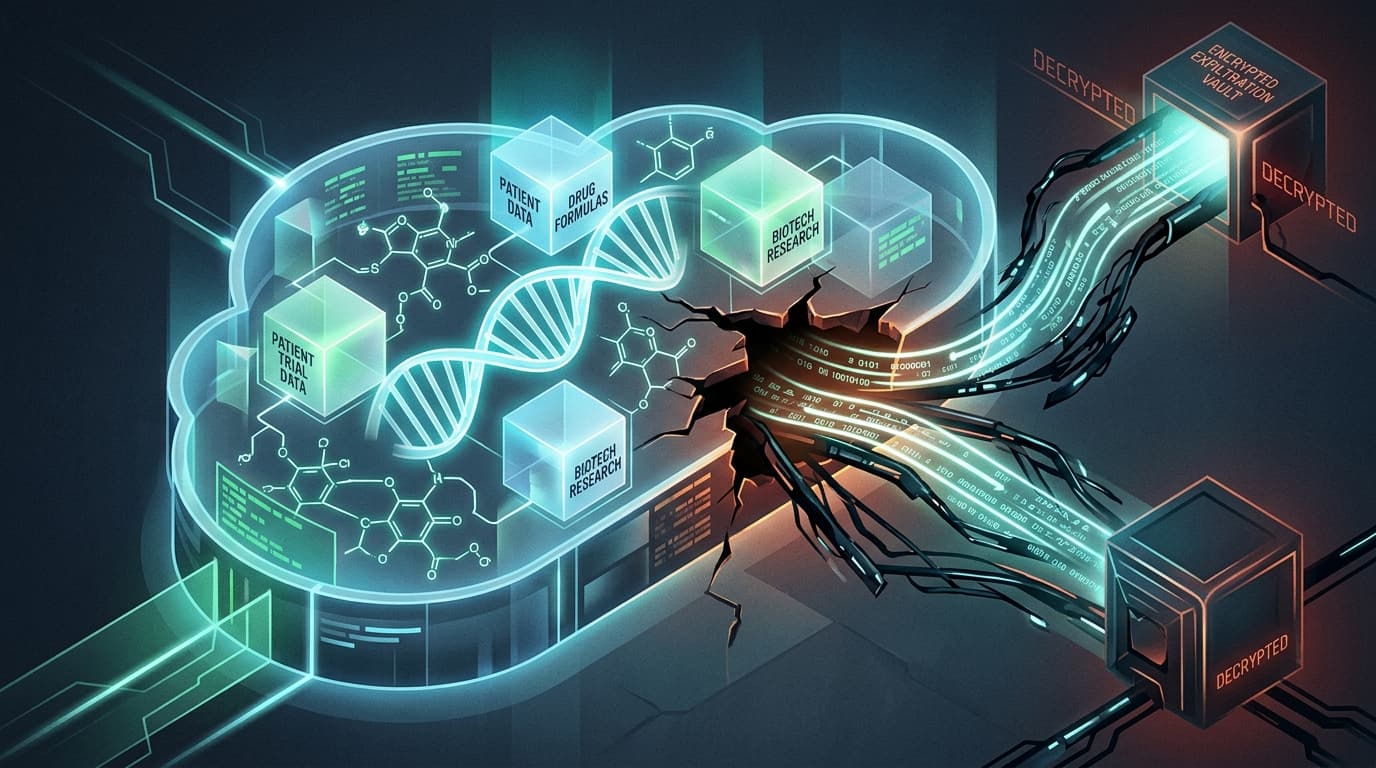
According to the official filing, Amgen detected unauthorized activity within cloud data environments hosted by external third-party cloud service providers. Forensic investigations confirmed that threat actors succeeded in exfiltrating sensitive corporate files, including proprietary business records, research documentation, and patient protected health information (PHI) associated with clinical trials and patient support programs.
While Amgen emphasized in its regulatory statement that the security event has not disrupted its physical manufacturing plants, pharmaceutical production lines, or ability to supply critical therapeutics to global healthcare providers, the compromise of proprietary intellectual property and patient health records represents a high-stakes operational and regulatory challenge. The incident illustrates how modern pharmaceutical enterprises, which rely heavily on multi-tenant cloud data lakes for genomics modeling, decentralized clinical trials, and supply-chain logistics, remain acutely vulnerable to third-party vendor compromises.
Third-Party Cloud Breakdown: Shared Responsibility in Modern Life Sciences
The incident underscores the operational friction inherent in the Cloud Shared Responsibility Model. While major cloud infrastructure providers (AWS, Microsoft Azure, Google Cloud) manage the physical security, hypervisor isolation, and hardware maintenance of the cloud plane, the tenant organization retains full legal and technical responsibility for:
- Identity and Access Management (IAM): Provisioning, role-based access control (RBAC), multi-factor authentication, and API credential lifecycle management.
- Data Encryption & Key Management: Applying customer-managed encryption keys (CMEK) to object storage buckets, databases, and analytical clusters.
- Third-Party SaaS Configuration Audits: Continuous posture assessment of outsourced analytics platforms, clinical research organization (CRO) portals, and external data processing vendors.
+-----------------------------------------------------------------------------------------+
|                  AMGEN THIRD-PARTY CLOUD INTRUSION TRAJECTORY                           |
+-----------------------------------------------------------------------------------------+
| Threat Actor Vector:                                                                    |
| Compromised Service Account / Leaked Cloud Token / Misconfigured External SaaS Provider|
|                                       |                                                 |
|                                       v                                                 |
|                    +-------------------------------------+                              |
|                    | Third-Party Hosted Cloud Storage    |                              |
|                    | (S3 / Azure Blob / Snowflake Lake)  |                              |
|                    +-------------------------------------+                              |
|                                       |                                                 |
|                    +------------------+------------------+                              |
|                    |                                     |                              |
|                    v                                     v                              |
|     [Proprietary Research & IP]             [Patient Protected Health Info]         |
|     - Pre-clinical drug designs              - Clinical trial participant logs          |
|     - Genomic sequencing telemetry           - Patient IDs, diagnoses, treatments       |
|                    |                                     |                              |
|                    +------------------+------------------+                              |
|                                       |                                                 |
|                                       v                                                 |
|                    +-------------------------------------+                              |
|                    | Automated High-Speed Exfiltration   |                              |
|                    | Multi-threaded Rclone / API Egress  |                              |
|                    +-------------------------------------+                              |
+-----------------------------------------------------------------------------------------+
Regulatory Repercussions: SEC Item 1.05 and HIPAA OCR Enforcement
Because Amgen is both a publicly traded entity on NASDAQ and a covered entity/business associate handling PHI, the incident triggers parallel statutory reporting requirements across federal oversight bodies:
| Statutory Authority | Regulatory Mandate | Mandatory Timeline | Operational Implication |
|---|---|---|---|
| U.S. SEC | Form 8-K Item 1.05 | Within 4 business days of materiality determination | Public disclosure on EDGAR detailing nature, scope, and anticipated material financial impact. |
| U.S. HHS OCR | HIPAA Breach Notification Rule (45 CFR Part 164) | Without unreasonable delay, max 60 calendar days | Direct written notice to all affected clinical trial participants and prominent publication on OCR Breach Portal. |
| State Regulators | State Breach Notification Laws (CA, TX, NY) | 30 to 45 calendar days | Attorney General notifications, potential class-action discovery, statutory penalties per exposed record. |
Under HIPAA's four-factor risk assessment protocol, because forensic telemetry confirmed actual data exfiltration (rather than momentary unauthorized access without removal), the legal presumption of a reportable breach is triggered, requiring comprehensive forensic accounting of every clinical patient record impacted.
Life Sciences Cloud Hardening: Enterprise Defensive Architecture
Pharmaceutical CISOs, cloud security architects, and biomedical data officers must institute stringent controls to prevent third-party cloud data exfiltration:
1. Enforce Customer-Managed Keys (CMEK) with Hardware Security Modules
Data stored in third-party environments should never rely on provider-managed encryption keys. Mandate that all object storage, relational databases, and data lakes utilize customer-managed keys (CMEK) anchored in enterprise hardware security modules (HSM) such as AWS KMS or Azure Key Vault:
# Terraform policy enforcing CMEK encryption on clinical data buckets:
resource "aws_s3_bucket_server_side_encryption_configuration" "clinical_data_enc" {
  bucket = aws_s3_bucket.clinical_trial_data.id

  rule {
    apply_server_side_encryption_by_default {
      kms_master_key_id = aws_kms_key.enterprise_pharma_cmek.arn
      sse_algorithm     = "aws:kms"
    }
    bucket_key_enabled = true
  }
}
2. Restrict Cloud Storage Egress via VPC Service Controls
Deploy perimeter data controls (such as Google Cloud VPC Service Controls or AWS VPC Endpoints with strict resource policies) to block data exfiltration even if administrative credentials or access keys are compromised:
# AWS S3 Bucket Policy: Prohibit egress to unauthorized AWS Accounts
{
  "Version": "2012-10-17",
  "Statement": [
    {
      "Sid": "EnforceVpcEndpointAccessOnly",
      "Effect": "Deny",
      "Principal": "*",
      "Action": "s3:GetObject",
      "Resource": "arn:aws:s3:::amgen-clinical-genomics-vault/*",
      "Condition": {
        "StringNotEquals": {
          "aws:sourceVpce": "vpce-0123456789abcdef0"
        }
      }
    }
  ]
}
3. Real-Time Cloud Security Posture Management (CSPM) & Anomaly Detection
Implement continuous monitoring across all third-party cloud integrations using CloudTrail, GuardDuty, and Azure Sentinel:
- Spike in API Read Volume: Generate high-severity alerts whenever a service account executes atypical volumes of
GetObjectorListBucketcalls within a 60-minute window. - Unfamiliar Egress IPs: Block any data retrieval requests originating from anonymized VPNs, Tor exit nodes, or commercial VPS hosting providers.
- Token Lifetime Restrictions: Enforce maximum session durations of 1 hour on all federated role assumptions and rotate long-lived programmatic API keys every 90 days.
4. Vendor Risk Management (VRM) & Independent SOC 2 Type II Audits
Mandate rigorous cybersecurity validation across all third-party contract research organizations (CROs), cloud analytics vendors, and clinical trial partners. Require annual SOC 2 Type II reports, continuous external attack surface management (EASM) scans, and contractual commitments to notify breach events within 24 hours.