The Cybersecurity and Infrastructure Security Agency (CISA) has released an industrial control systems advisory tracked as ICSA-26-225-01 detailing an unsafe deserialization vulnerability (CVE-2025-7639, CVSS 7.1) in AVEVA Enterprise SCADA. Exploitation allows network-adjacent threat actors to inject malicious serialized objects, executing arbitrary code with supervisory privileges on critical infrastructure servers.
Critical Infrastructure Context: Oil, Gas, and Power Telemetry
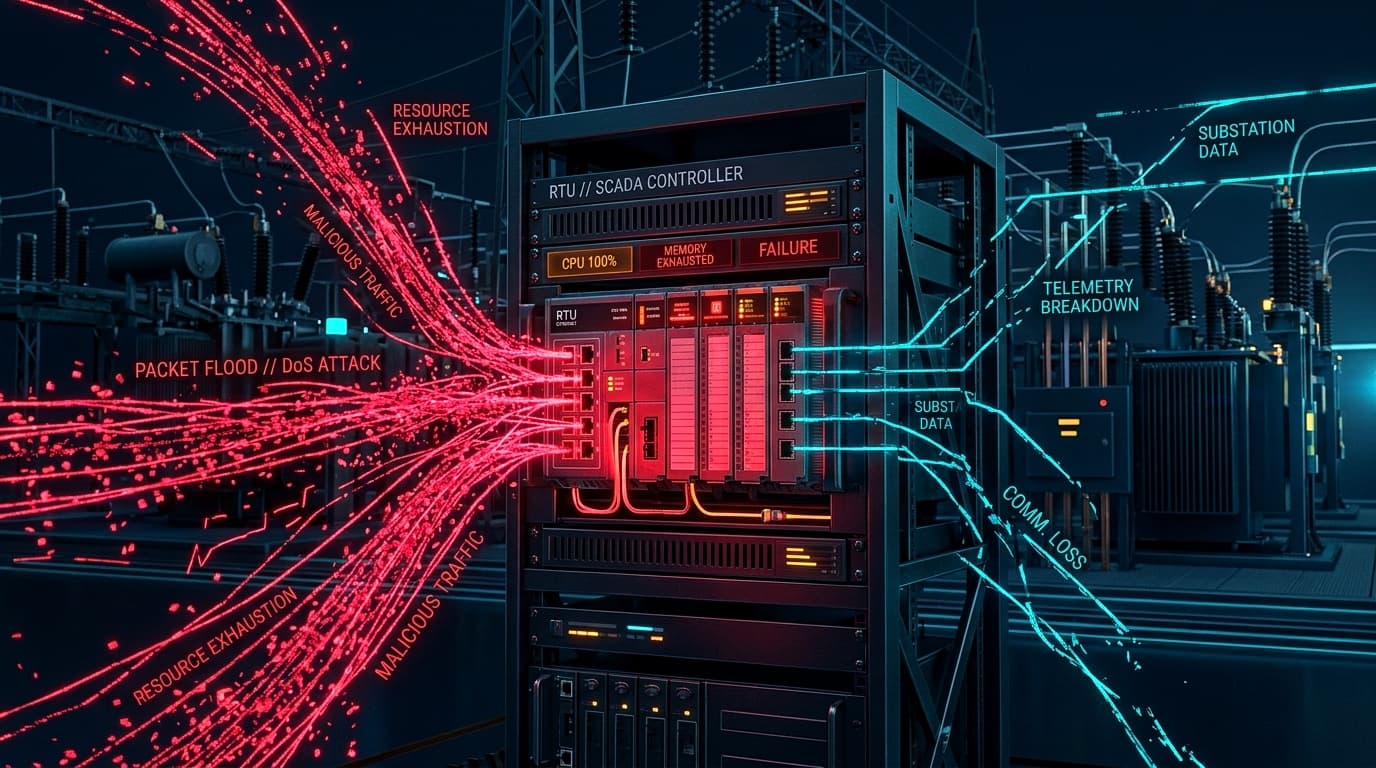
AVEVA Enterprise SCADA (formerly OASyS DNA) is a mission-critical supervisory control and data acquisition suite deployed across major oil and gas pipeline operators, regional power grids, water utilities, and transport networks worldwide. The platform orchestrates real-time telemetry from remote terminal units (RTUs), programmable logic controllers (PLCs), and gas dispatching operations.
In industrial environments, SCADA servers occupy Purdue Model Level 2 and Level 3 supervisory networks. A compromise of the Enterprise SCADA host allows adversaries to tamper with valve control commands, suppress alarm notifications, or establish deep persistence across operational technology (OT) demilitarized zones.
Vulnerability Mechanics: CWE-502 Deserialization Breakdown
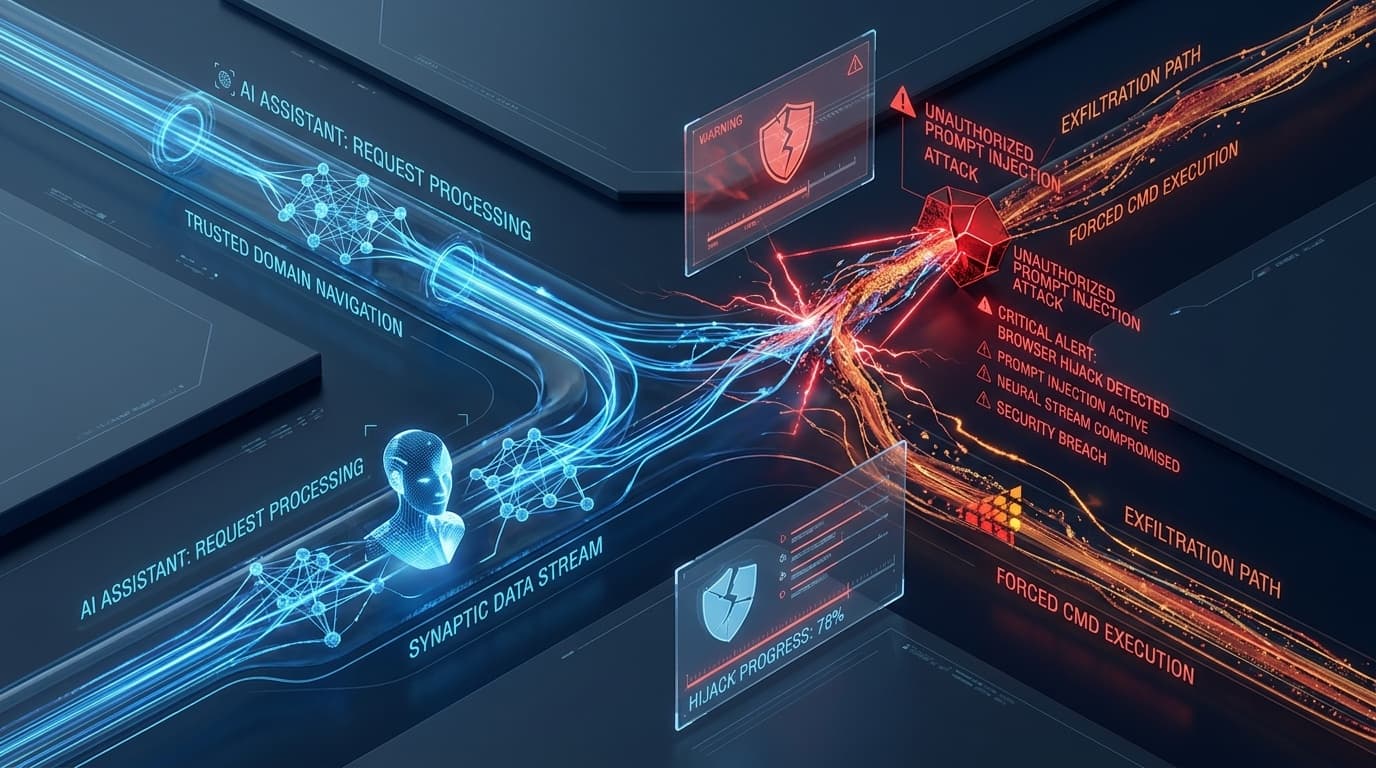
The vulnerability stems from improper validation of user-controlled serialized objects transmitted across internal communication conduits between the Enterprise SCADA server daemon and connected HMI operator terminals.
When client workstations dispatch state synchronization queries or telemetry subscription requests, the communication listener processes binary serialized streams using unconstrained object binders:
# Architectural vulnerability model in SCADA dispatch listener
# Binary payload received over TCP supervisory port (e.g., 4400/TCP)
[Attacker Node on L2/L3] --> [Crafted Serialized Payload] --> [AVEVA SCADA Listener]
                                                                     |
                                                (Unsafe ObjectInputStream / BinaryFormatter)
                                                                     |
                                                [Dynamic Gadget Chain Invocation]
                                                                     |
                                                [Arbitrary Code Executed as SYSTEM / Administrator]
By crafting an object graph containing standard .NET or Java gadget chains, an adversary with network access to the SCADA port can force the host service to execute arbitrary shell commands during deserialization, without requiring interactive administrative login credentials.
Vulnerability Profile & Impact Matrix
| Characteristic | Vulnerability Specification |
|---|---|
| CISA Advisory Identifier | ICSA-26-225-01 |
| Common Weakness | CWE-502: Deserialization of Untrusted Data |
| CVE Tracking ID | CVE-2025-7639 |
| CVSS v3.1 Vector | CVSS:3.1/AV:N/AC:L/PR:L/UI:N/S:U/C:H/I:H/A:H (Score: 7.1) |
| Affected Products | AVEVA Enterprise SCADA 2021 through 2025; Enterprise SCADA HMI 2023 through 2024 R2 |
| Remediation Status | Vendor patch release available from AVEVA Global Customer Support |
Defensive Playbook: IEC 62443 Hardening & Zone Segmentation
Industrial cybersecurity teams and plant operators must execute the following remediation roadmap:
1. Apply Official AVEVA Security Hotfixes
Obtain and apply the hotfix bundles released for your respective Enterprise SCADA version via the AVEVA Global Customer Support (GCS) portal. Verify patch installation in the SCADA configuration manager.
2. Enforce IEC 62443-3-2 Conduits & Access Control Lists
Restrict SCADA supervisory communication ports strictly to authorized engineering workstations. Block all direct ingress from corporate IT enterprise subnets:
# Industrial firewall rule: Restrict SCADA listener strictly to trusted HMI cluster
iptables -A INPUT -p tcp -s 10.240.10.0/24 --dport 4400 -j ACCEPT
iptables -A INPUT -p tcp --dport 4400 -j DROP
3. Deploy Unidirectional Security Gateways (Data Diodes)
Ensure telemetry streams exported from the OT control zone (Purdue Level 3) to enterprise reporting networks (Level 4/5) travel through hardware-enforced data diodes or unidirectional proxies to prevent inbound exploit delivery.