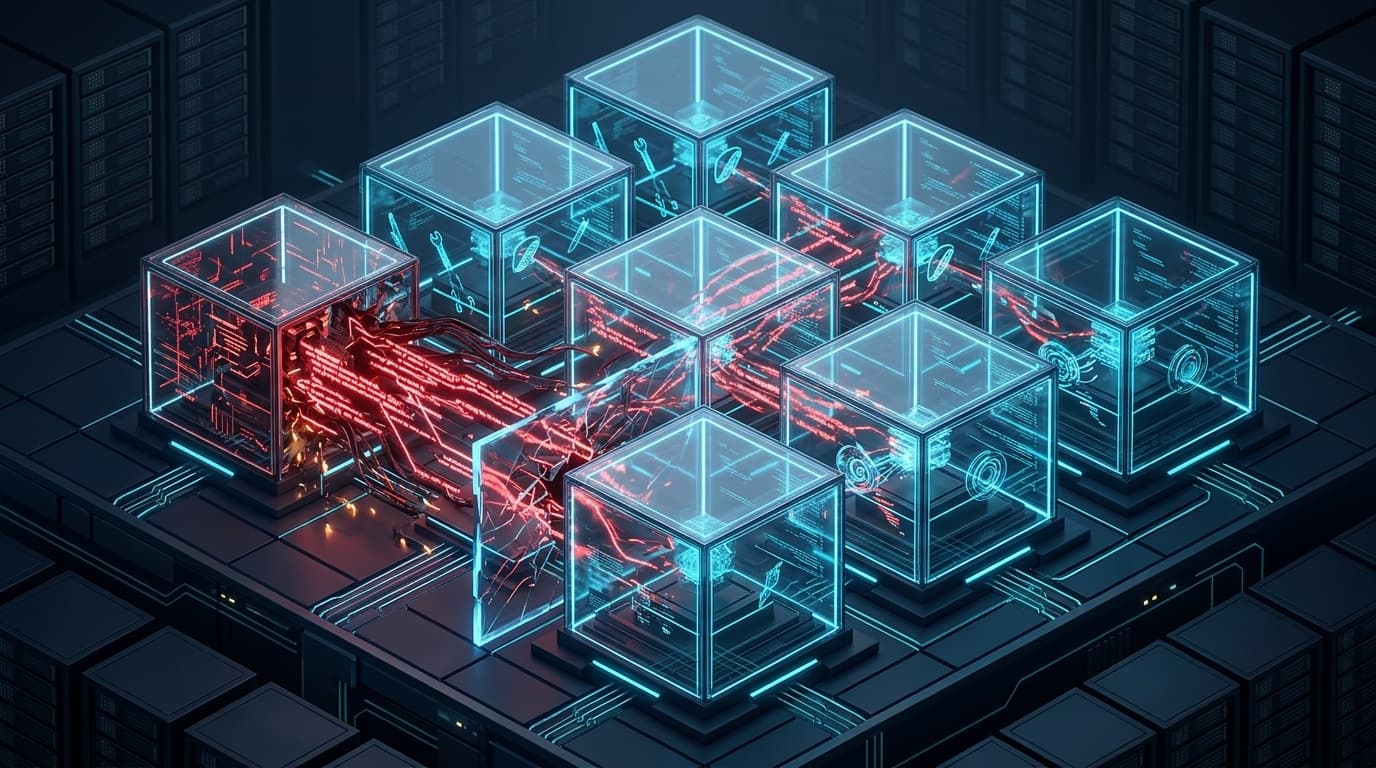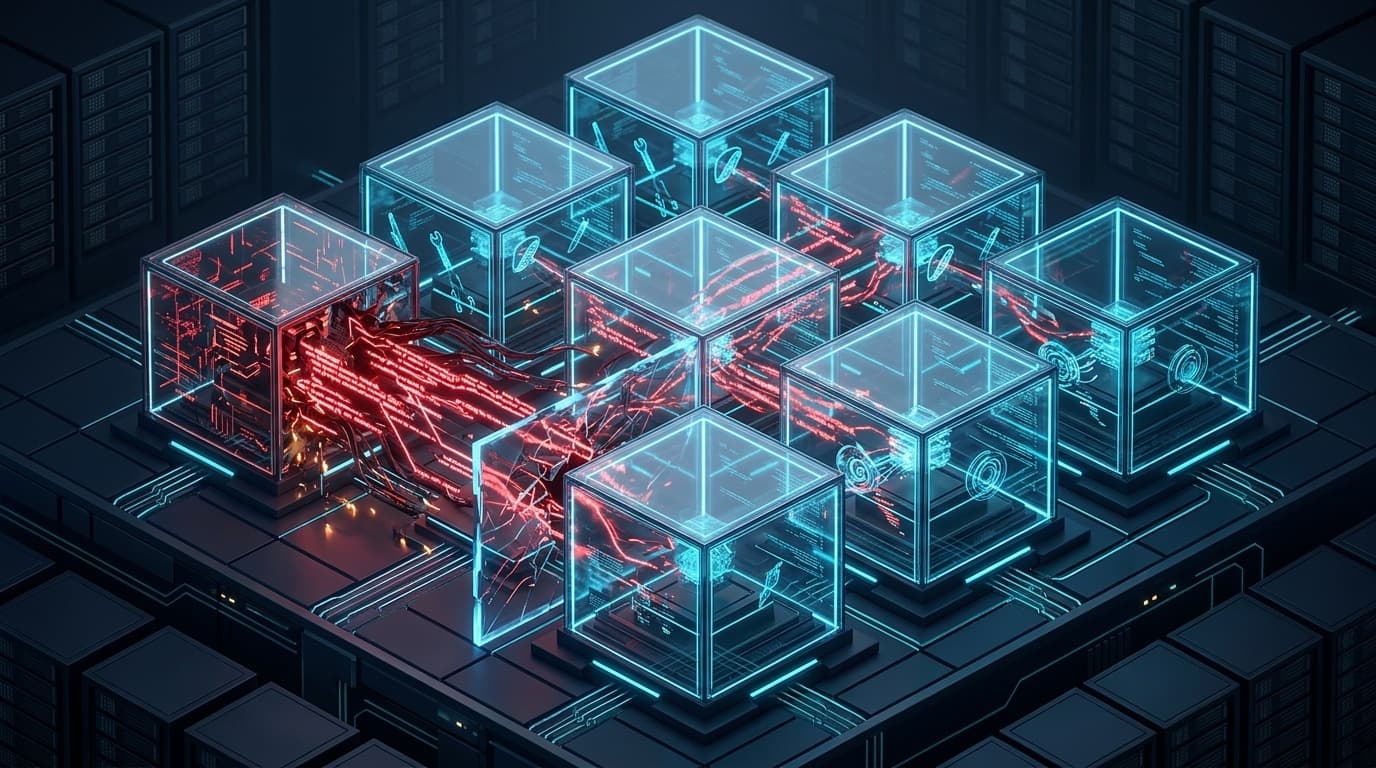
Cloud infrastructure provider Rackspace has formally announced the impending shutdown and retirement of its Rackspace Spot platform following a severe security incident. The breach allowed malicious actors to gain unauthorized access to customer-managed Kubernetes clusters and associated secrets hosted across the platform. In response to the compromise of underlying platform controls and persistent customer environments, the company has established a hard operational sunset, giving all existing users until December 8 to extract their persistent data and migrate external workloads to alternate providers.
The Confirmed Incident and Infrastructure Compromise
Rackspace Spot, designed as an elastic, cost-optimized cloud service offering developer-friendly compute and managed Kubernetes environments, was confirmed to have suffered an intrusion targeting administrative or isolation mechanisms within the product's architecture. Official enterprise disclosure communications confirmed that external actors were able to access customer Kubernetes environments, including sensitive configuration secrets maintained inside tenant boundaries.
While multitenant cloud computing models rely heavily on strong kernel isolation, hardware virtualization, and robust control plane access policies, the breach demonstrated unauthorized lateral access into live operational customer instances. Rather than offering an in-place operational patch while continuing service delivery, Rackspace determined that the entire Spot platform infrastructure would be permanently discontinued, reflecting the depth of the compromise across the platform's control fabric.
Technical Context: Kubernetes Clusters and Secret Exposure
In cloud-native architectures, Kubernetes clusters operate as the primary execution engine for microservices, micro-APIs, and enterprise background workers. Compromising these environments poses critical challenges for organizations because Kubernetes clusters frequently store, manage, and distribute high-privilege application secrets. These typically include:
- API and Token Credentials: Service account tokens, cloud identity federation credentials, and administrative Bearer tokens used for automated operational tasks.
- Database and Storage Connection Strings: Production credentials, TLS private certificates, and passwords required to read and write to primary relational datastores and external object storage.
- Encryption and Webhook Keys: Symmetric cipher keys, external SaaS partner secrets, and asymmetric keypairs utilized across continuous deployment pipelines.
When an unauthorized party gains access across Kubernetes nodes and secret stores, the blast radius frequently expands far beyond the compute runtime itself. Exposed credentials can enable attackers to establish persistent beachheads in external customer systems, software repositories, and secondary cloud provider accounts if keys were shared across environments.
Affected Deployments and Operational Impact
The confirmed impact directly encompasses organizations, development teams, and commercial operations hosting workloads on the Rackspace Spot platform. Organizations relying on Spot for running continuous integration systems, stateless web applications, or data analytics pipelines must now perform immediate, forced migrations under tight operational timelines.
| Platform Component | Nature of Compromise | Operational Mandate |
|---|---|---|
| Rackspace Spot Compute | Host platform breach and administrative intrusion | Complete platform decommission; termination of all running nodes |
| Customer Kubernetes Clusters | Unauthorized cluster-level access confirmed | Immediate backup and extraction of application states and code |
| Cluster Secrets & Environment Vars | Potential exposure to unauthorized external actors | Full credential revocation and cryptographic rotation across all external services |
Because the platform will be decommissioned permanently, tenants cannot rely on residual backups or automated snapshots managed by the provider beyond the shutdown window. Any failure to retrieve data prior to the final December 8 termination point will result in irrecoverable loss of customer assets.
Practical Incident Response Playbook
Organizations operating workloads within Rackspace Spot must execute a structured, dual-track remediation strategy focused simultaneously on asset recovery and defensive credential hygiene. Security and engineering teams should treat the hosting boundary as completely untrusted.
1. Workload Extraction and Cluster Migration
- Extract Persistent Volumes: Immediately rsync or stream all persistent storage volumes, stateful database dumps, and application assets to secure, independent off-site storage.
- Recreate Declarative Configurations: Verify that Helm charts, Kubernetes deployment manifests, and infrastructure-as-code scripts are exported and validated outside of Spot control interfaces.
- Provision Alternative Compute: Stand up isolated replacement clusters on trusted alternative infrastructure providers and verify operational readiness before redirecting production DNS records.
2. Comprehensive Credential Revocation
Given that cluster secrets were exposed during the breach, rotating secrets is an urgent requirement. Systems must not simply migrate existing configurations to a new provider:
- Rotate All Database Credentials: Immediately invalidate and replace passwords, access usernames, and connection strings associated with any datastore reachable from Spot instances.
- Revoke API Keys and Access Tokens: Cancel all external integration tokens, including payment processor keys, cloud provider IAM access keys, Git provider personal access tokens, and container registry authentication credentials.
- Generate New TLS Certificates: Reissue ingress certificates, custom internal certificates, and private signing keys that were stored within Kubernetes Secret objects on Spot clusters.
- Inspect Audit Logs on Connected Services: Review access and administrative logs on all external enterprise services that were connected to Spot applications to detect unusual access patterns or data staging.
Key Unknowns and Ongoing Monitoring
While the disclosure confirms the intrusion into customer Kubernetes clusters, the compromise of secrets, and the platform termination date, several technical dimensions have not been formally detailed. The initial root cause—whether stemming from a hypervisor escape, compromised platform-level orchestration credentials, supply chain vulnerabilities, or a software flaw within proprietary provisioning systems—remains unconfirmed in official public notices.
Additionally, the specific identity, geopolitical alignment, and motivation of the threat actors remain undisclosed. Organizations running impacted infrastructure should maintain active threat hunting and telemetry monitoring across their external systems, watching for unauthorized authentications using legacy credentials through the migration cutoff and beyond.