OneMain Financial Group, LLC—the primary consumer finance subsidiary of OneMain Holdings, Inc. and one of the largest non-bank installment loan providers in the United States, operating over 1,400 retail branches across 44 states—has submitted comprehensive data security breach notifications to multiple state attorneys general. Regulatory disclosures confirm that an unauthorized intrusion into its IT infrastructure compromised core loan origination files, Social Security numbers, and direct-deposit banking credentials for tens of thousands of consumer borrowers.
The Mechanics of the Loan Origination Intrusion
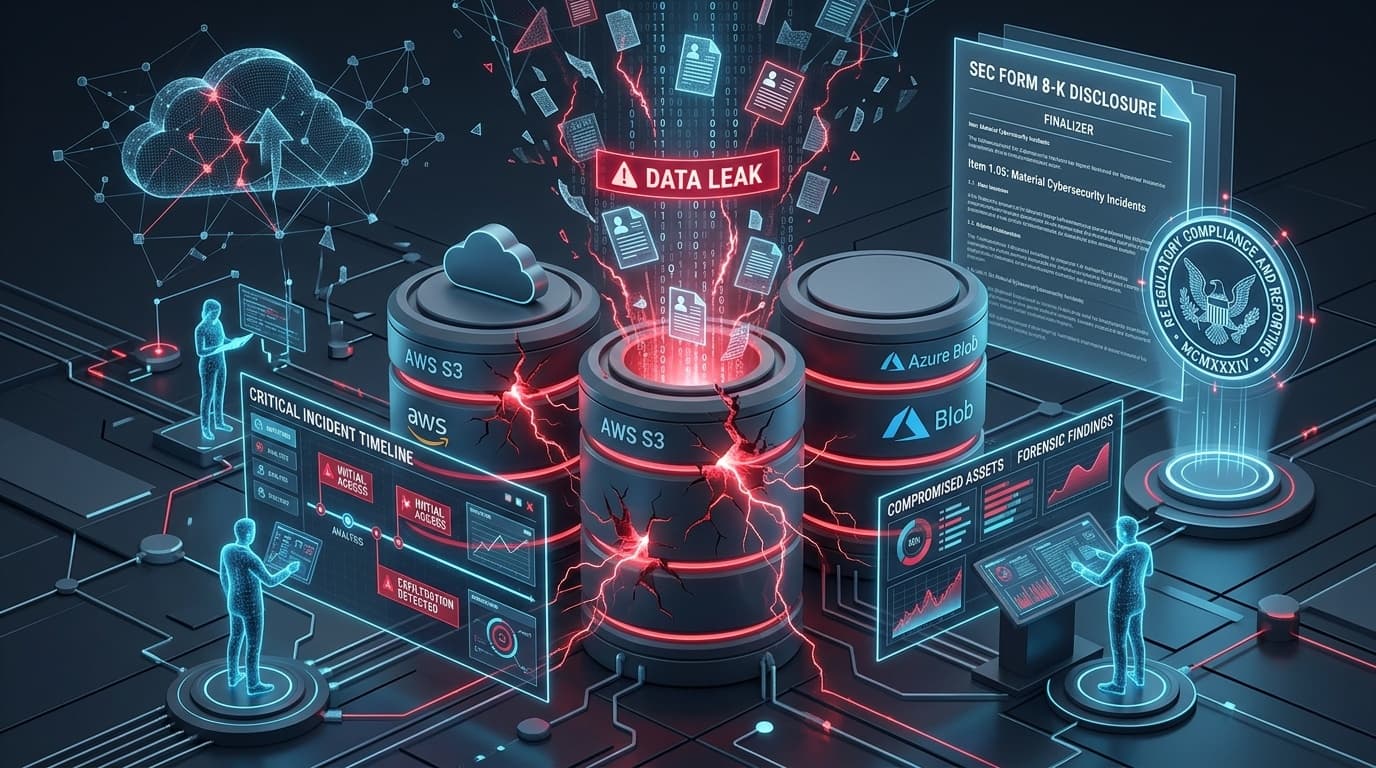
The intrusion was initially identified when anomalous administrative queries were detected within an internal loan servicing application server. A forensic investigation conducted in collaboration with third-party incident response firms established that an unauthorized party accessed and exfiltrated sensitive files on May 5, 2026.
In consumer installment lending, loan origination files represent an exhaustive financial profile of an individual. To approve an unsecured personal loan, lenders gather comprehensive underwriting documentation, including:
- Full legal names, residential street addresses, and verified phone numbers.
- Complete, unmasked Social Security numbers and government ID images.
- Checking account numbers and automated clearing house (ACH) routing numbers utilized for loan disbursement and monthly repayment deductions.
- Detailed credit bureau report summaries and internal debt-to-income underwriting calculations.
Multi-State Regulatory Filings Outline Geographic Scope
Under revised state data breach disclosure mandates, OneMain began submitting mandatory notification packets to state regulators in late September 2026:
# State Regulatory Disclosure Metrics (Sample)
- Texas Attorney General: 15,472 Confirmed Affected Residents
- South Carolina Department of Consumer Affairs: 1,516 Confirmed Affected Residents
- California Attorney General: Sample Breach Notification Disclosed Sept 25, 2026
- Scope: In-branch applicants and digital personal loan customers nationwide
Vulnerability in Centralized Financial Architecture
The OneMain breach illustrates the systemic vulnerability of centralized lending databases. When branch-level loan origination systems synchronize with centralized corporate data lakes without end-to-end data segregation, an adversary compromising a single administrative vector can pivot laterally across state boundaries:
| Security Domain | Observed Architecture | Recommended Hardened Architecture |
|---|---|---|
| Borrower Banking Data | Plaintext bank routing/account numbers stored in loan application logs | Tokenized bank accounts using zero-knowledge payment processors |
| Network Segmentation | Direct database connectivity between branch endpoints and core database | Microsegmented data enclaves accessible only via mutual TLS API gateways |
| Credential Governance | Shared administrative service accounts across regional underwriting servers | Ephemeral, Just-in-Time (JIT) privileged access management (PAM) |
Remediation Actions for Financial Institutions
- Implement Account Tokenization for Loan Servicing: Eliminate the retention of raw bank account and routing numbers in loan servicing databases. Utilize ACH tokenization proxies that substitute real account numbers with irreversible tokens.
- Enforce Strict FFIEC Cybersecurity Baseline Standards: Financial entities must audit their controls against the Federal Financial Institutions Examination Council (FFIEC) Cybersecurity Assessment Tool, verifying network boundary isolation for all systems storing NPI (Non-Public Personal Information).
- Automate Dark Web Monitoring: Establish continuous threat intelligence surveillance across underground criminal markets to detect leaked loan databases and prevent fraudulent account takeover (ATO) attacks.
- Direct Consumer Protection: OneMain has established dedicated incident hotlines and is providing affected borrowers with 12 to 24 months of complimentary credit monitoring and identity theft protection through Equifax/Experian.