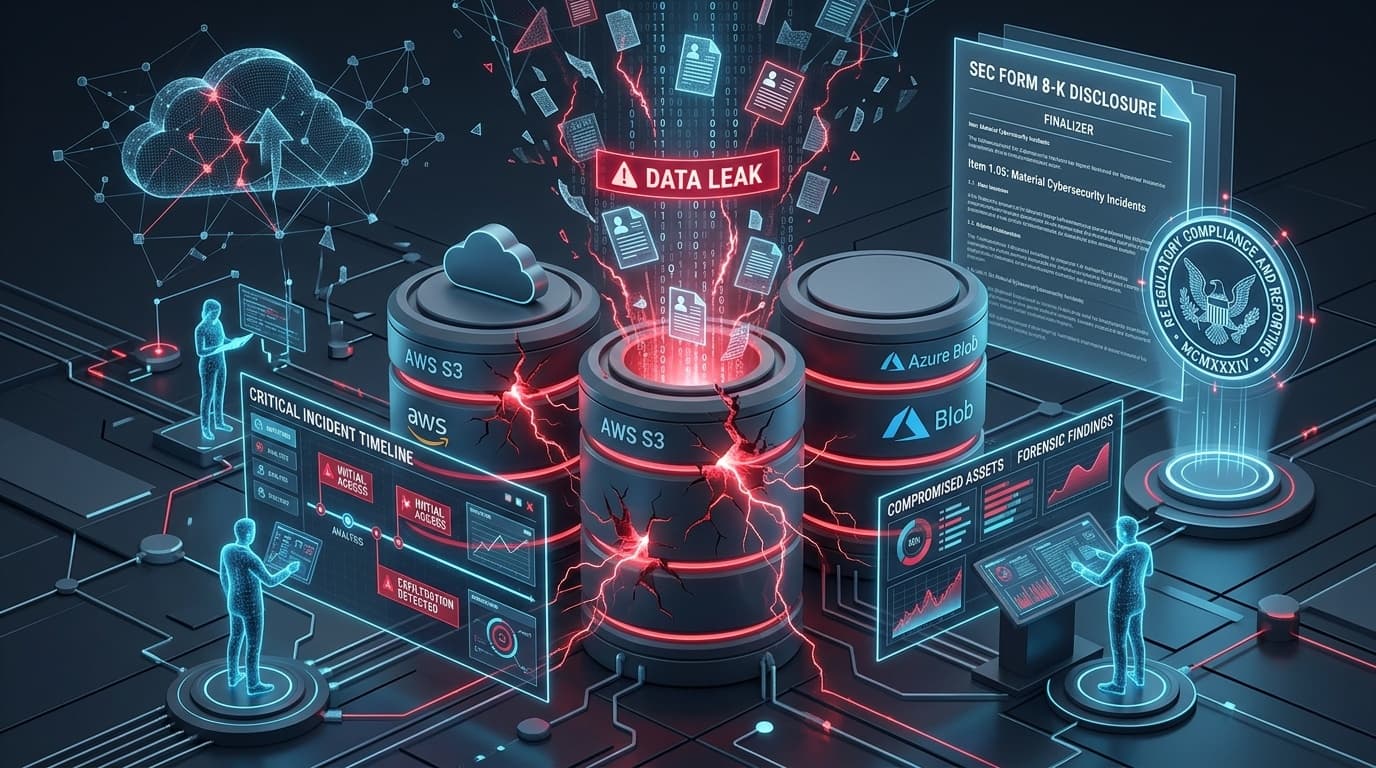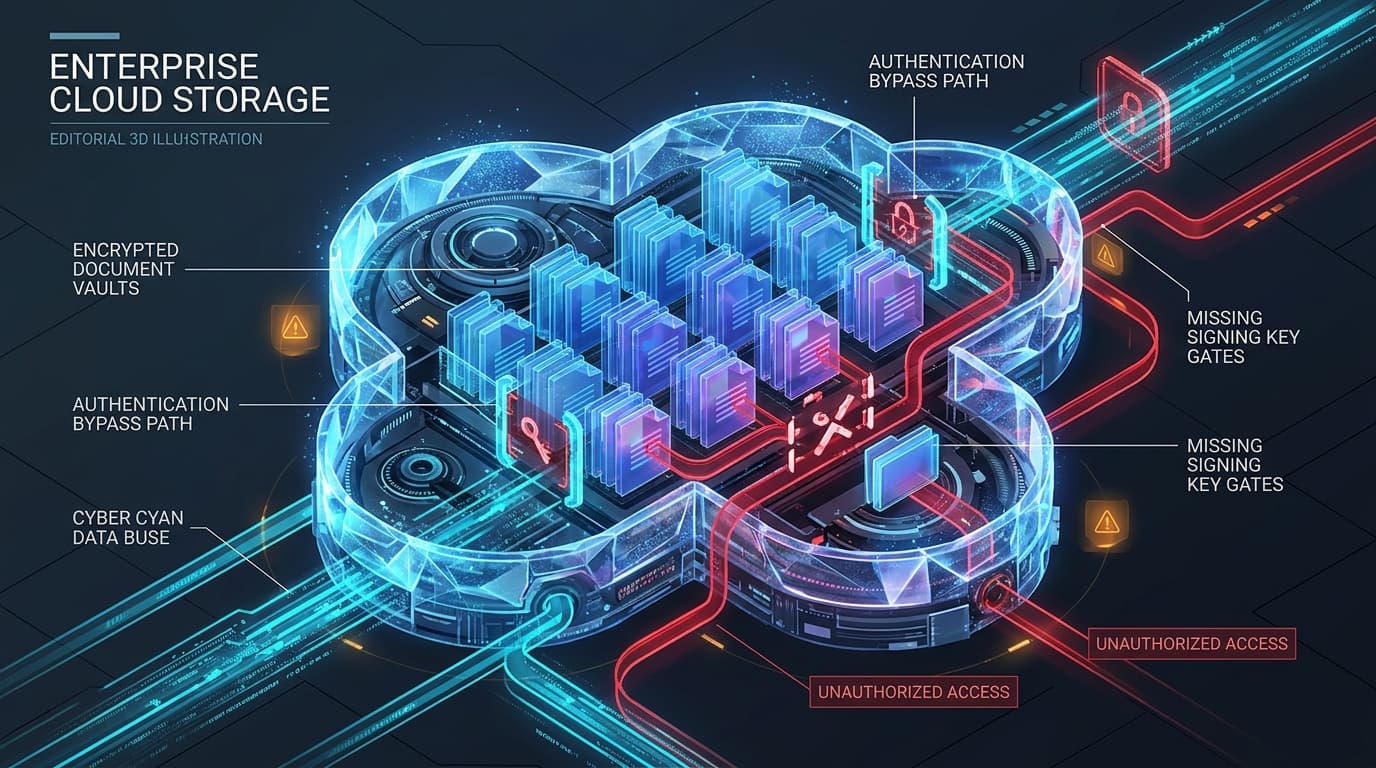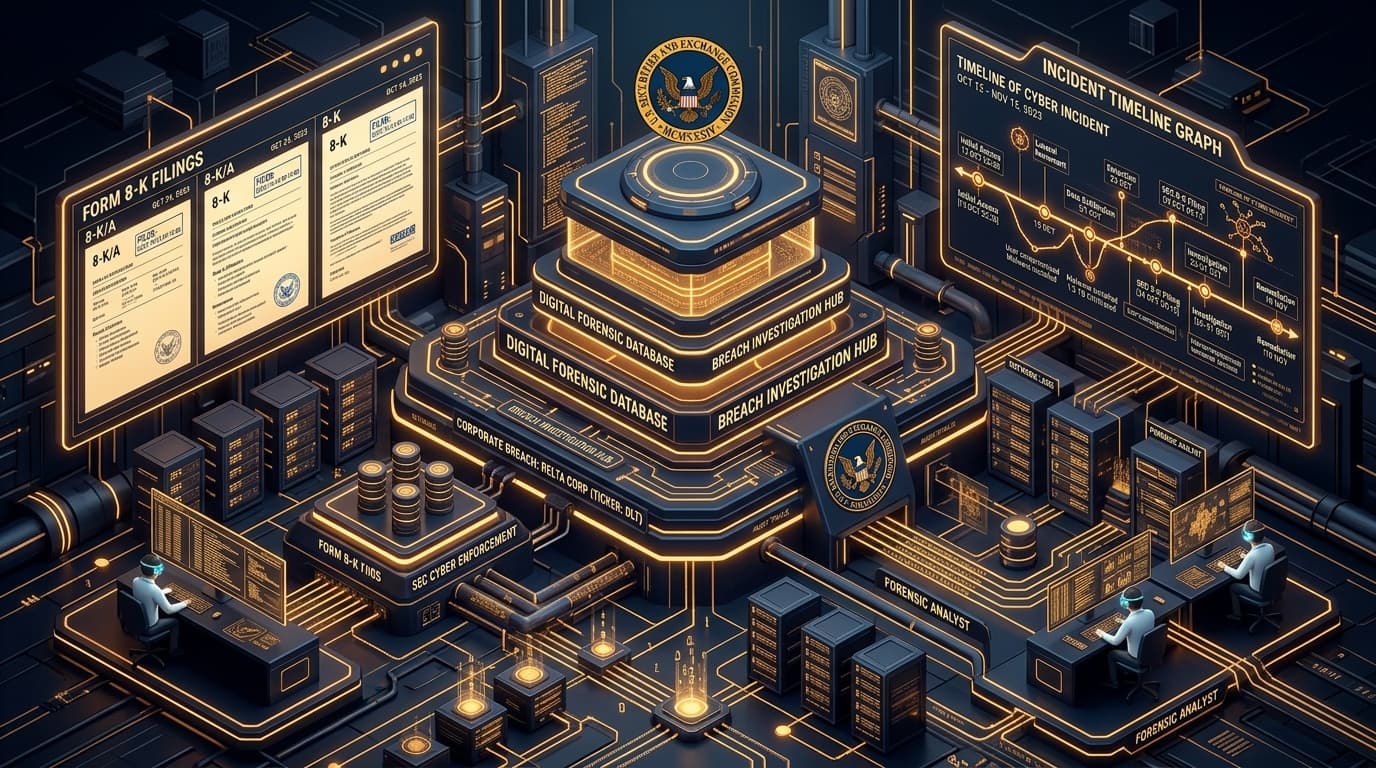
A catastrophic multi-day global service outage that paralyzed MoneyGram International—halting worldwide remittances, cash pickups, and mobile transfers for millions of consumers—was the direct consequence of an aggressive network intrusion and data exfiltration campaign. Regulatory breach filings submitted to state attorneys general reveal that attackers weaponized voice-phishing (vishing) and identity-spoofing attacks against internal IT helpdesk personnel, gaining privileged administrative access to customer identity verification vaults and banking databases.
The Incident Timeline: From Helpdesk Call to Global Blackout
MoneyGram is the second-largest money transfer company in the world, processing billions of dollars in remittances annually across more than 200 countries and territories. The disruption unfolded in three distinct phases:
- Initial Intrusion (September 20–22, 2026): Threat actors conducted targeted social engineering phone calls to MoneyGram's IT service desk. Using scraped employee intelligence and spoofed telephony trunks, the attackers convinced helpdesk operators to reset multi-factor authentication (MFA) tokens and issue new credentials for a high-privilege Active Directory account.
- Lateral Movement & Vault Exfiltration: Armed with domain credentials, the adversaries traversed internal network segments, bypassing internal firewalls to access MoneyGram's Know Your Customer (KYC) identity compliance storage tiers.
- Emergency Shutdown & Service Severance (September 22–27, 2026): Upon detecting abnormal outbound data transfers, MoneyGram's cybersecurity incident response team executed an emergency isolation protocol, disconnecting internal databases and core API gateways from the public internet. The defensive shutdown took MoneyGram's website, mobile applications, and retail agent endpoints completely offline worldwide.
Compromised Consumer Financial Records
The volume and depth of exfiltrated financial intelligence disclosed in state regulatory filings represents one of the most comprehensive consumer identity thefts in fintech history:
# Compromised KYC & Transaction Record Inventory
1. Personal Identifiers: Full legal names, home addresses, phone numbers, birth dates.
2. Official Identity Documents: High-resolution scans of government driver's licenses,
   passports, and residential utility bills submitted for KYC compliance.
3. Banking & Payment Credentials: Bank account numbers, routing numbers, and
   MoneyGram Plus Rewards loyalty account tokens.
4. Transaction History: Transaction timestamps, transfer dollar amounts, receiving
   agent locations, and correspondent bank identifiers.
5. Compliance Dossiers: Internal anti-fraud investigation records and suspicious
   activity logs documenting flagged transactions.
Social Engineering Forensics: The Helpdesk Weak Link
The MoneyGram breach underscores the vulnerability of identity verification at the IT service desk layer. While enterprises invest millions into endpoint detection and response (EDR) and firewall microsegmentation, human operators tasked with credential resets remain vulnerable to sophisticated social engineering scripts:
| Security Layer | Intended Defense | Attacker Bypass Vector |
|---|---|---|
| Multi-Factor Authentication (MFA) | Push notification or hardware token required for session creation | Attacker calls helpdesk claiming lost device, requesting phone number re-registration |
| Employee Verification | Answering static security questions (employee ID, manager name) | Attacker scrapes corporate LinkedIn and public records to answer static questions |
| KYC Database Isolation | Encrypted data at rest inside cloud database enclaves | Compromised service account held authorized read privileges to the decryption keys |
Defensive Mandates for Financial Services and Fintechs
- Eliminate Verbal Helpdesk Password Resets: Prohibit helpdesk personnel from manually resetting passwords or registering new MFA devices over the telephone. Enforce cryptographic self-service verification utilizing WebAuthn FIDO2 keys or out-of-band identity verification apps.
- Implement In-Person or Video Verification: Require mandatory supervisory authorization and video verification with manager presence before modifying credentials for accounts possessing access to KYC or banking repositories.
- Granular Field-Level KMS Encryption: Decouple data storage from identity vaults. Ensure that sensitive KYC documents (driver's licenses, utility bills) are encrypted with separate AWS KMS or Azure Key Vault customer-managed keys (CMKs) that require multi-party approval to generate decryption grants.
- Consumer Protection Notice: MoneyGram has engaged external forensics firms, notified federal law enforcement, and begun delivering breach notifications offering two years of identity monitoring and credit resolution services to impacted customers.