Executive Summary: Healthcare Network Under Cyber Extortion
In a formal regulatory disclosure submitted to the U.S. Securities and Exchange Commission (SEC) under Item 1.05 of Form 8-K, publicly traded healthcare network operator Nutex Health Inc. has confirmed that a sophisticated cyberattack resulted in the exfiltration and subsequent public dumping of sensitive patient medical data and corporate files.
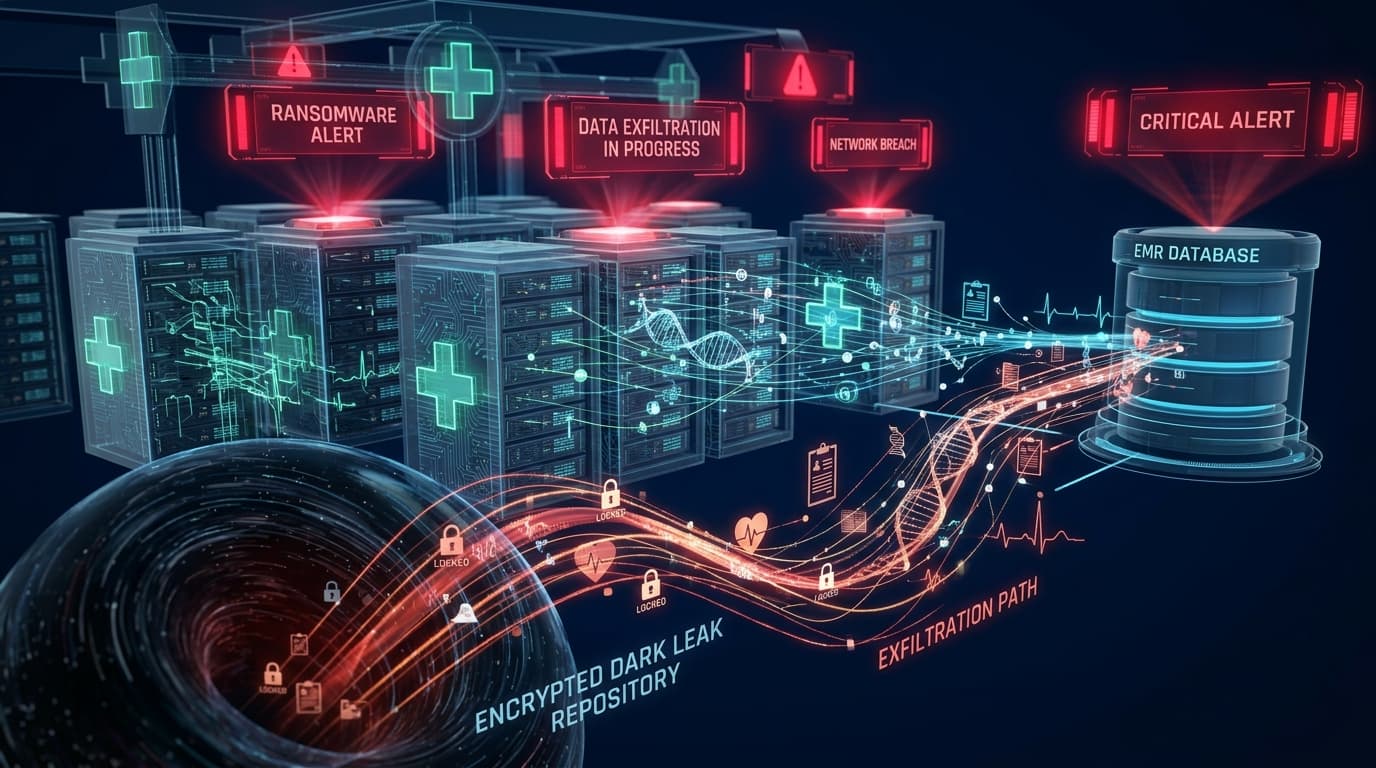
Nutex Health operates a nationwide network of micro-hospitals, emergency centers, and affiliated physician practices across the United States. Following initial detection of unauthorized intrusion activity across its computer networks, third-party forensic incident responders discovered that attackers had established persistent access to core database servers. The threat actors exfiltrated confidential electronic medical records (EMR), patient protected health information (PHI), employee personnel records, and credentialing documentation for healthcare providers.
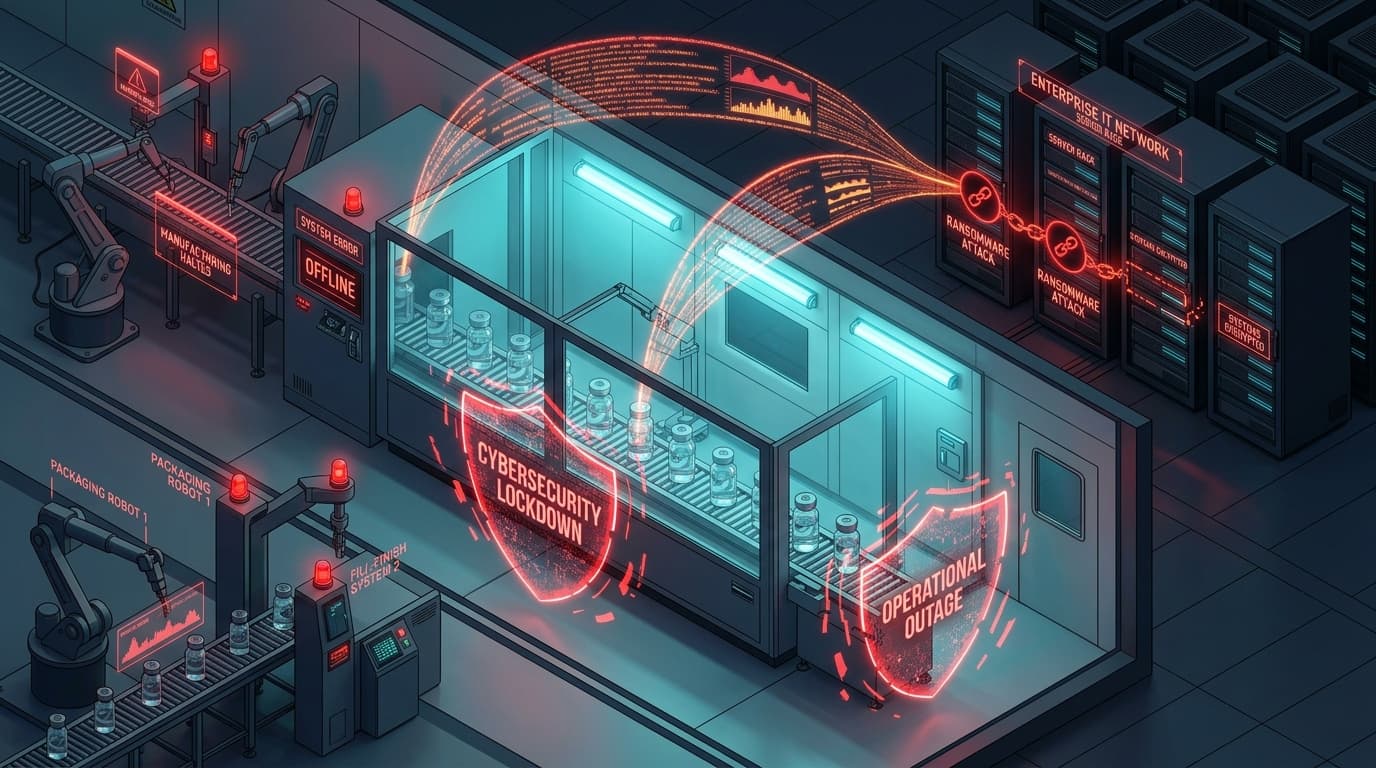
When Nutex Health declined to accede to the extortion demands of the cybercriminal organization, the threat actors escalated the incident by publishing the exfiltrated archives on a public leak repository. The disclosure highlights the relentless focus of ransomware cartels on mid-market hospital networks and underscores the cascading legal, regulatory, and operational liabilities of healthcare data extortion.
Forensic Reconstruction: Access Vectors & Data Exfiltration
According to technical details emerging from regulatory filings and healthcare threat intelligence trackers, the intrusion followed a classic double-extortion cyberattack lifecycle tailored against clinical IT infrastructure:
1. Initial Ingress & Privilege Escalation
The threat actors achieved initial perimeter foothold via compromised virtual private network (VPN) credentials lacking mandatory hardware-bound multi-factor authentication (MFA). Once inside the flat hospital network segment, the actors deployed living-off-the-land (LotL) utilities:
- Credential Harvesting: Executing
Mimikatzand dumpinglsass.exememory across local administrative jump boxes. - Directory Enumeration: Using native PowerShell and
AdFindto map Active Directory Domain Services, locating medical imaging and billing SQL servers. - Lateral Movement: Pivoting across internal hospital subnets utilizing Remote Desktop Protocol (RDP) and Server Message Block (SMB) administrative shares.
2. Exfiltration & Cloud Staging
Prior to triggering any disruption, the syndicate utilized legitimate cloud synchronization tooling (Rclone) disguised under renamed executable binaries (svchost.exe) to compress and siphon multi-gigabyte SQL database backups and PDF medical records to an external Mega.nz and WebDAV storage repository.
Compromised Data Categories (HIPAA PHI Scope)
The exfiltrated records comprise high-sensitivity categories protected under HIPAA Title II: patient legal names, dates of birth, Social Security numbers (SSNs), residential addresses, health insurance policy IDs, diagnostic codes, emergency department clinical notes, and physician payroll banking records.
Regulatory & Legal Fall-Out: SEC Item 1.05 and Federal Litigation
The disclosure triggers severe regulatory and statutory repercussions across multiple federal bodies:
1. SEC Item 1.05 Materiality Mandate
The SEC's cybersecurity disclosure rules require registrants to disclose material cybersecurity incidents within four business days of determining materiality. Nutex Health's initial 8-K and subsequent amendments document the evolving assessment of materiality—shifting from technical containment to legal and reputation exposure once stolen records appeared on the public dark web.
2. HHS Office for Civil Rights (OCR) Enforcement
Under the HIPAA Breach Notification Rule (45 CFR §§ 164.400-414), covered entities must issue individual breach notification letters to affected patients without unreasonable delay and within 60 calendar days. Breaches affecting 500 or more individuals trigger public posting on the HHS OCR "Wall of Shame" and initiate formal compliance audits regarding technical safeguards (45 CFR § 164.312).
3. Federal Class Action Lawsuit (Haley v. Nutex Health)
Within days of the initial SEC filing, affected patients initiated class action litigation (Haley v. Nutex Health, Inc., Case No. 4:26-cv-07197) in the U.S. District Court for the Southern District of Texas. The lawsuit alleges negligence in failing to maintain industry-standard security safeguards, breach of implied contract, and failure to timely notify victims of ongoing identity theft exposure.
Healthcare Defensive Playbook: Hardening Clinical Enclaves
To mitigate lateral exfiltration and ransomware exploitation across hospital systems, clinical CISOs must enforce the following technical controls:
- Clinical Network Micro-Segmentation: Completely isolate Electronic Health Record (EHR) database clusters and Picture Archiving and Communication Systems (PACS) from general corporate workstations using internal next-generation firewalls (NGFW).
- Strict Data Loss Prevention (DLP): Enforce egress network inspection blocking unauthorized outbound file transfer protocols, Mega.nz, Dropbox, and generic cloud synchronization endpoints.
- FIDO2 / Phishing-Resistant MFA: Enforce hardware security keys (e.g., YubiKeys) for all remote access gateways, telehealth administrative portals, and physician VPN endpoints.
- Immutable Backup Architectures: Maintain write-once-read-many (WORM) cloud backups and air-gapped physical storage arrays to guarantee rapid operational recovery without paying ransom demands.