The Cybersecurity and Infrastructure Security Agency (CISA), in conjunction with Mitsubishi Electric, has released update ICSA-26-211-07 (Update A) regarding a high-severity protocol manipulation vulnerability (CVE-2026-13584) in the CC-Link IE TSN industrial communication stack. The flaw allows unauthenticated adjacent network adversaries to forge control frames, altering servo velocity, manipulating remote I/O state registers, and causing denial-of-service conditions across factory automation lines.
Deterministic Ethernet & TSN Attack Surface
CC-Link IE TSN (Time-Sensitive Networking) combines gigabit Ethernet bandwidth with deterministic real-time synchronization (IEEE 802.1AS and IEEE 802.1Qbv). The technology is widely deployed across semiconductor fabrication facilities, automotive robotic assembly lines, and high-speed packaging machinery to coordinate AC servo amplifiers (MELSERVO-J5/JET), GOT3000 human-machine interfaces, and remote analog/digital I/O blocks.
Because TSN protocols prioritize microsecond cycle times over cryptographic handshake overhead, frame integrity relies heavily on network boundary segmentation.
Vulnerability Analysis & Control Frame Forgery (CWE-20)
The vulnerability is categorized as CWE-20: Improper Input Validation. Vulnerable communication LSI chips and firmware stacks fail to authenticate sequence numbers and sender origin metadata on cyclic and transient transmission frames.
An attacker who gains physical or logical access to the operational technology fieldbus network (Purdue Model Level 1) can craft Ethernet frames matching CC-Link IE TSN packet structures:
# Snort Rule: Detect and drop unauthorized CC-Link IE TSN frame manipulation
drop ethernet any any -> any any (
    msg:"TSN-VIOLATION: Unauthenticated CC-Link IE TSN Master Injection Attempt";
    content:"|54 53 4E 00|"; offset:12; depth:4; # TSN Protocol Magic Bytes
    byte_test:1,>,0x7F,16;                        # Invalid Master Station Priority
    classtype:protocol-command-decode;
    sid:902613584; rev:1;
)
CVSS v4.0 scores the vulnerability with a High Integrity Impact (VI:H), demonstrating that packet injection directly alters the physical control outputs of machinery.
Actionable Mitigation Playbook for Automation Engineers
- Physical & Logical Port Security: Implement 802.1X port authentication and MAC address locking on all industrial managed switches connecting CC-Link IE TSN segments.
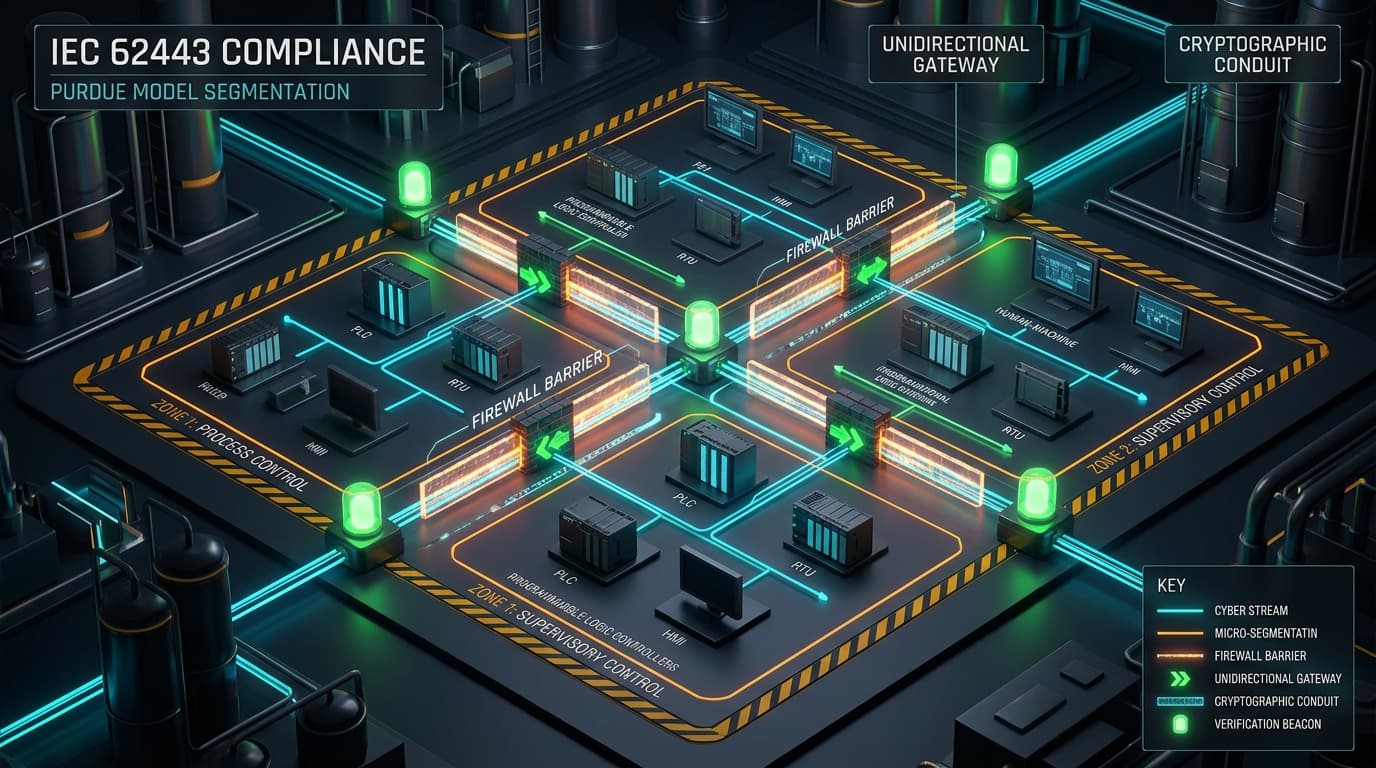
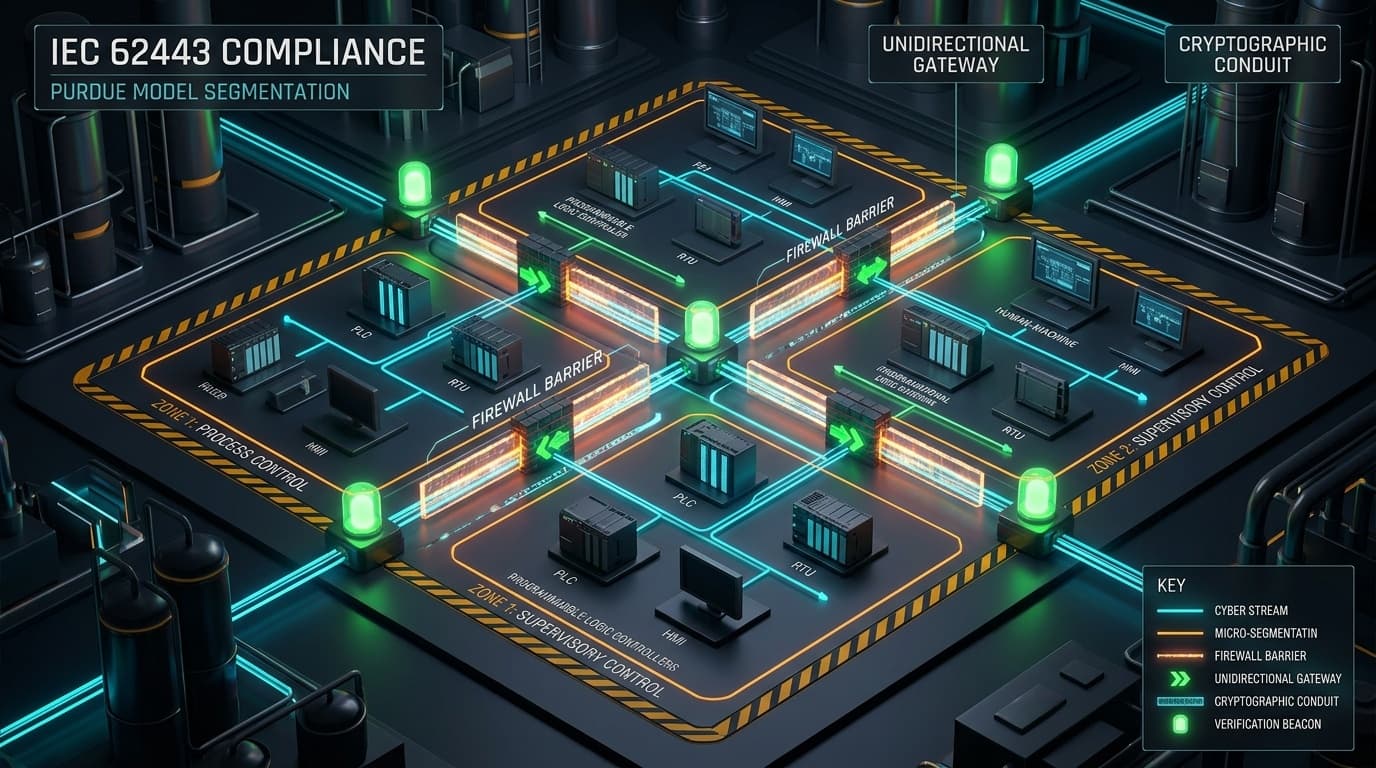
- Isolate Level 1 Control Networks: Strictly isolate motion control fieldbuses behind industrial firewalls, blocking all routing from IT enterprise networks or maintenance jump-hosts.
- Disable Unused Ports: Administratively disable all unused RJ45 and M12 Ethernet ports on NZ2GN remote I/O terminal blocks.