Threat Overview & Industrial Exposure
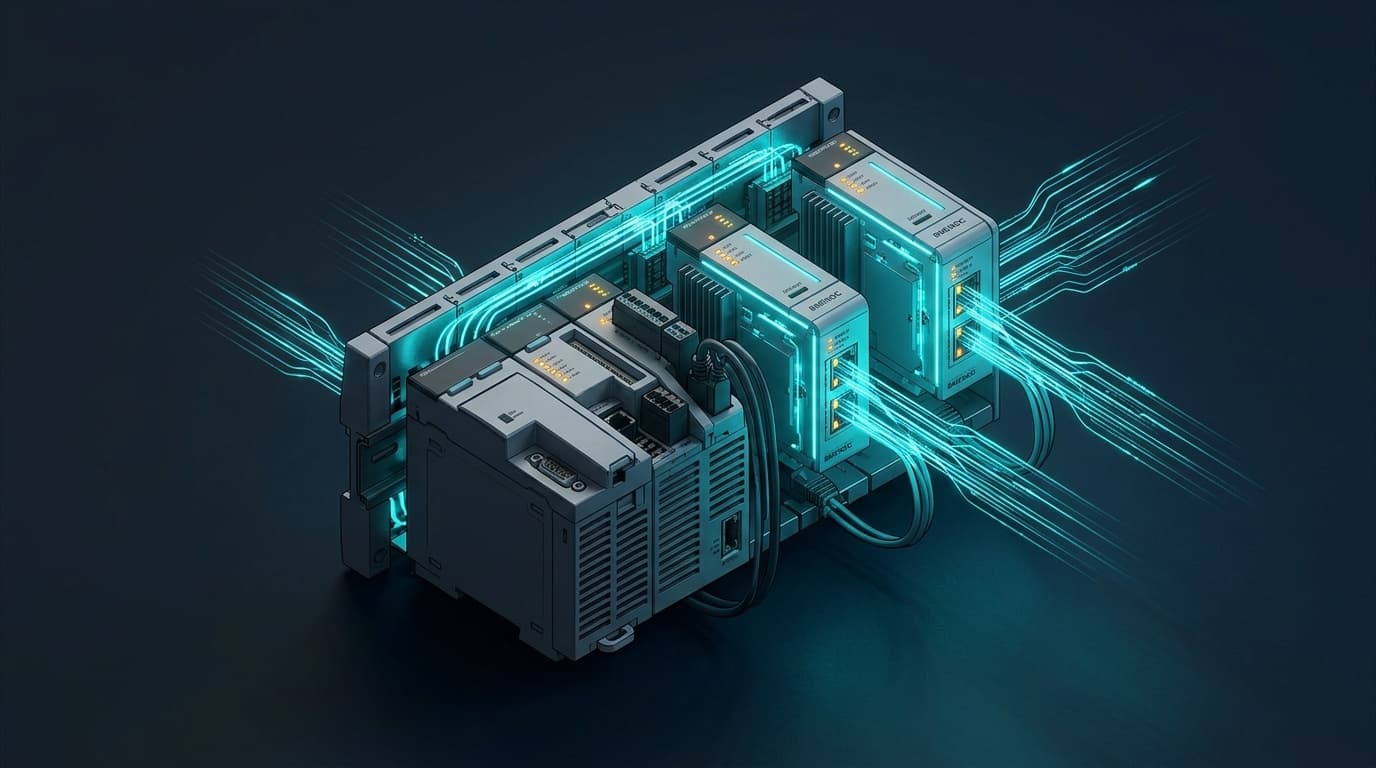
Schneider Electric has published an emergency security notice in coordination with CISA ICS-CERT detailing a maximum-severity vulnerability tracked as CVE-2026-77880 (CVSS 9.6) impacting EcoStruxure Foxboro DCS (formerly Invensys Foxboro I/A Series). The Foxboro DCS architecture is installed extensively across mission-critical continuous process industries, including oil refining, natural gas liquefaction, nuclear power cooling, and chemical manufacturing.
The defect enables unauthenticated adversaries positioned on Level 1 or Level 2 industrial control networks to send malformed packet sequences to Foxboro Fieldbus Communications Modules (FBM), triggering stack-based buffer overflows that allow remote arbitrary code execution inside the module's real-time controller microkernel.
Technical Root Cause & Fieldbus Protocol Analysis (CWE-121)
The vulnerability exists within the firmware handling the proprietary Foxboro HDLC-over-Ethernet (Fieldbus) encapsulation protocol. Foxboro FBM200 and FBM240 series modules interface directly with physical process transmitters (4-20mA current loops, thermocouples, valve actuators) and communicate with the central Foxboro Control Processor (CP270 / CP280) via redundant 100Mbps Ethernet fieldbus links.
When parsing fragmented broadcast packets with anomalous message length fields in the proprietary diagnostic sub-protocol (UDP port 12345), the firmware fails to validate the total payload size against the allocated static stack buffer. An attacker can craft a sequence of fragmented UDP frames that overwrite critical CPU return addresses on the ARM/PowerPC core:
| Module Model | Vulnerable Firmware | Remediated Firmware Release |
|---|---|---|
| Foxboro FBM201 / FBM202 (Analog Input) | Firmware versions prior to v3.42 | v3.42 or later |
| Foxboro FBM241 / FBM242 (Discrete I/O) | Firmware versions prior to v2.85 | v2.85 or later |
| Control Processor CP270 / CP280 | CP Runtime prior to v8.8 | CP Runtime v8.8 with Hotfix 1 |
Operational Impact: Sensor Spoofing & Safety System Tripping
Successful exploitation allows adversaries to manipulate raw sensor readings fed into the control loop before the values reach the safety instrumented system (SIS). For example, an attacker can freeze thermocouple readings at nominal operating thresholds while actual reactor vessel temperatures surge, preventing operator alarm activation until an emergency safety relief valve vents.
Industrial Cybersecurity Remediation Checklist
In accordance with IEC 62443-3-3 (Security for Industrial Automation and Control Systems), asset owners must enforce the following controls:
- Firmware Flash Update: Upgrade all in-scope FBM modules and Control Processors during scheduled turnaround maintenance windows to the patched firmware builds.
- Fieldbus Network Segmentation: Enforce strict physical or VLAN isolation for the Foxboro Fieldbus network (Purdue Model Level 1). Under no circumstances should Fieldbus Ethernet cables bridge into supervisory Level 3 plant networks.
- UDP Port Filtering: Block UDP port 12345 at all industrial switches and firewalls to prevent unauthorized diagnostic packets from reaching FBM backplanes.
Regulatory Mandates & Statutory Enforcement Matrix
| Governance Pillar / Directive | Regulated Scope & Entities | Mandated Compliance Deadline | Statutory Enforcement & Penalties |
|---|---|---|---|
| Core Operational Resilience | Banking, Cloud Providers & Financial Institutions | Immediate Mandatory Enforcement | Supervisory audits, business restrictions & statutory fines |
| Incident Disclosure & Telemetry | Critical IT & Third-Party Cloud Infrastructure | Strict Statutory Reporting Window | Regulatory inquiry and executive liability under statutory acts |
| Data Governance & Risk Management | Enterprise Data Fiduciaries & Cloud Processors | Rolling 180-Day Audit Baseline | Statutory financial penalties and remediation embargoes |
Step-by-Step Technical Audit & Compliance Verification Playbook
Enterprise compliance and security operations teams must verify technical controls and audit readiness:
- Verify Immutable Audit Log Retention in Cloud Storage:
# AWS S3: Verify Object Lock retention compliance mode on SIEM audit bucket aws s3api get-object-lock-configuration --bucket enterprise-siem-compliance-logs # Output must confirm ObjectLockEnabled: Enabled with Compliance mode - Audit Cloud Workload Encryption & IAM Privileges:
# Query Azure Key Vault or AWS KMS for automated annual key rotation status aws kms list-keys --query "Keys[*].KeyId" --output text | xargs -n 1 aws kms get-key-rotation-status --key-id - Automated Regulatory Incident Notification Dispatch Test:
# Automated compliance deadline alert trigger verification
import time, datetime

def verify_compliance_window(incident_epoch: float, max_hours: int = 6):
    elapsed = (time.time() - incident_epoch) / 3600
    if elapsed > max_hours:
        print(f"CRITICAL: Statutory notification window exceeded ({elapsed:.1f}h / {max_hours}h)")
    else:
        print(f"Within compliance window: {max_hours - elapsed:.1f}h remaining")

verify_compliance_window(time.time() - 3600)
Continuous Threat Monitoring & Log Auditing Queries
Monitor SIEM logs for anomalous privilege escalation and unapproved administrative role assumptions:
-- Query SIEM audit trail for high-privilege IAM policy updates
SELECT timestamp, user_identity, event_name, request_parameters
FROM cloud_audit_logs
WHERE event_name IN ('PutRolePolicy', 'AttachUserPolicy', 'CreateSecurityGroupRule')
  AND status = 'Success'
ORDER BY timestamp DESC
LIMIT 50;