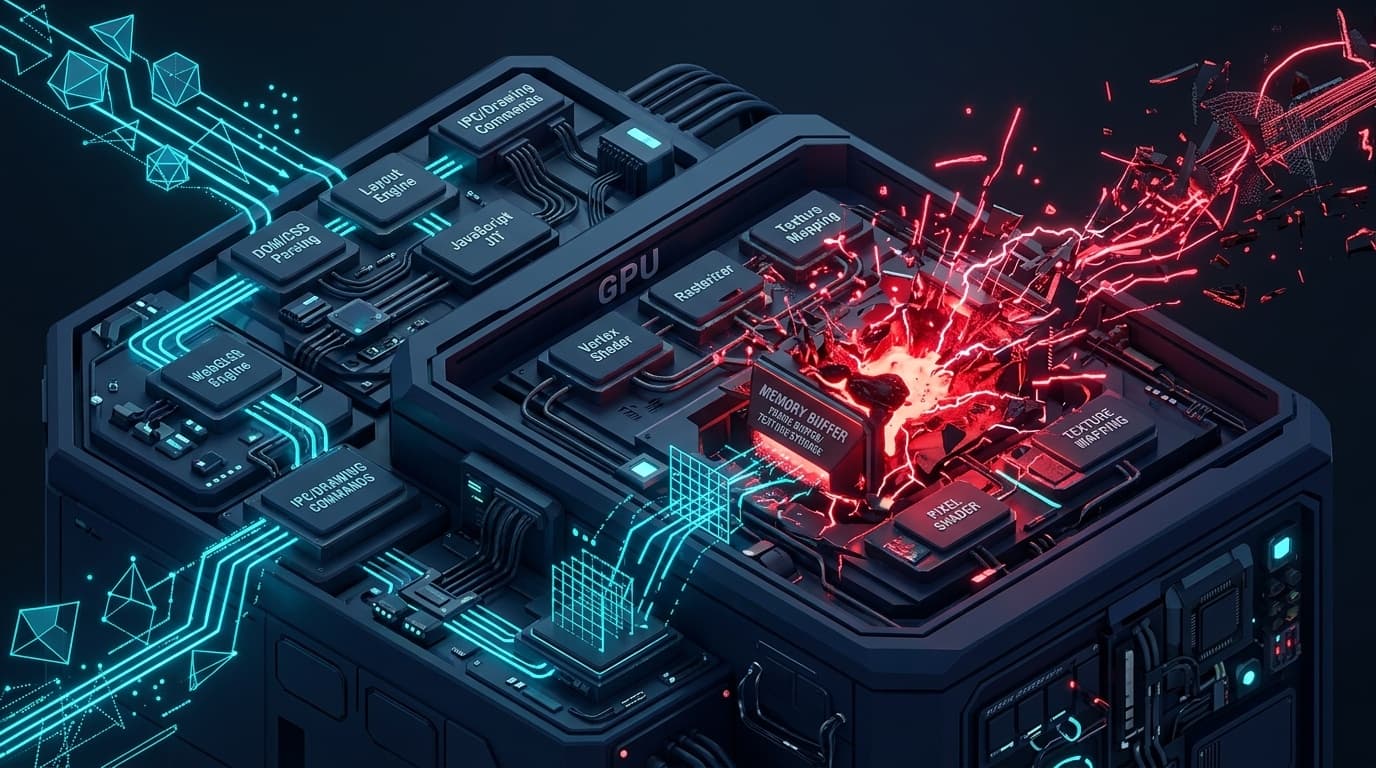
Signal has announced the rollout of default screenshot restrictions across its Android and iOS client applications, designed specifically to prevent artificial intelligence (AI) agents from scanning and ingesting private chat sessions. The defense targets operating-system-level agentic tools and background vision models that automatically record, process, or index screen content. However, the organization conceded that software-level screen capture restrictions offer an incomplete barrier against pervasive device inspection frameworks.
The Threat Model: Autonomous Agents and Ambient Vision
Modern mobile platforms increasingly incorporate multi-modal artificial intelligence assistants capable of reading active application viewports to fulfill user commands, index device activity, or construct continuous semantic interaction timelines. While these assistive capabilities offer task automation, they fundamentally alter the threat boundary for end-to-end encrypted messaging clients.
Historically, end-to-end encryption guarantees that data remains unintelligible in transit across network intermediaries and central server infrastructure. Under this model, plaintext messages exist solely in system memory and local client databases on communicating endpoints. The introduction of pervasive screen-scraping AI agents introduces an ambient capture vector situated entirely on the endpoint itself. Once rendered onto an active display buffer, conversation transcripts are exposed to background AI processing engines operating with system-level viewport permissions.
By initiating default screenshot blocking, Signal forces mobile display servers to obscure application window buffers during capture requests, attempting to blind automated agent pipelines before display frames can be serialized into vision model context windows.
Technical Implementation Across Mobile Display Pipelines
Implementing software-based screen capture restrictions requires interfacing directly with distinct platform graphics compositors on Android and iOS.
Android Window Flags
On Android platforms, applications signal sensitive rendering states to the SurfaceFlinger display manager through window layout parameters:
FLAG_SECUREEnforcement: When an application setsWindowManager.LayoutParams.FLAG_SECUREon its active window surface, the underlying Android framework treats the rendered buffer as protected content.- Capture Subsystem Suppression: The platform suppresses screen recording, hardware display mirroring, remote projection buffers, and third-party accessibility-based frame scrapers. Display buffers appear completely blank or blacked out to secondary capture processes.
iOS Native View Protection
On Apple iOS environments, no identical single-flag API exists. Developers instead leverage security characteristics within the UIKit rendering hierarchy:
- Protected
UITextFieldHierarchies: Messaging interfaces often embed sensitive view hierarchies inside a secure text container layer leveraging nativeisSecureTextEntryproperties. When screen capture or systemic background snapshotting is detected, the underlying Core Animation pipeline automatically occludes or blanks out the rendered view. - System Broadcast Mitigation: This prevents iOS screen recorders and system-level scene snapshot engines from caching unencrypted messaging buffers during task-switching transitions or automated screen parsing operations.
Comparative Breakdown of Platform Defenses
The protective coverage provided by programmatic screenshot suppression depends heavily on the execution privileges of the scanning entity:
| Platform Vector | Mitigation Mechanism | Efficacy Against AI Agents | Residual Exposure |
|---|---|---|---|
| Android User-Space | FLAG_SECURE Window Property | Effective against standard assistive apps and background capture | Vulnerable to rooted environments and specialized hardware display taps |
| Apple iOS | Secure Container Layer / UIKit Occlusion | Blocks standard system snapshotters and assistive screen scrapers | Subject to system-level daemon exceptions and external camera capture |
Why Platform Protections Remain Incomplete
Despite the implementation of default blocking, Signal explicitly acknowledged that these programmatic controls remain structurally incomplete. Several architectural bottlenecks limit the efficacy of in-app display restrictions against determined inspection:
- Root and Kernel-Level Elevation: On rooted or modified Android devices, userspace
FLAG_SECUREdirectives can be hooked or disabled via dynamic instrumentation frameworks, restoring full frame scraping capabilities to background daemons. - Privileged System Daemons: Operating system vendors possessing deep architectural access can theoretically exempt internal diagnostic or platform-level AI services from standard UIKit or WindowManager constraints, bypassing client-level flags.
- Analog and Hardware Optical Capture: Programmatic restrictions cannot prevent physical optical recording, external display capture cards, or secondary cameras positioned to record the physical glass screen.
- Accessibility Framework Overreach: Certain assistive capabilities designed for accessibility may extract structured text elements directly from the accessibility node hierarchy, bypassing the visual display buffer entirely unless accessibility APIs are simultaneously hardened.
Practical Response and Verification Checklist
Organizations and privacy-focused practitioners deploying secure mobile communications across enterprise environments should verify default behavior and evaluate endpoint configurations:
- Verify Client Defaults: Inspect Signal application settings under privacy configurations to ensure that screen security and screenshot suppression toggles are engaged by default on all managed mobile devices.
- Audit Operating System Integration: Review enterprise mobility management (EMM) policies to ensure that third-party AI assistants, automated screen recording tools, and continuous indexing utilities are disabled across fleet deployments handling sensitive communications.
- Restrict Rooted and Jailbroken Devices: Enforce strict Mobile Device Management (MDM) attestation policies that block compromised or rooted devices capable of neutralizing
FLAG_SECUREparameters. - Assess Systemic Exposure: For deployments requiring the highest confidentiality tiers, recognize that endpoint rendering remains inherently susceptible to hardware-level or platform-level inspection, necessitating operational protocols that govern physical device access.
Unresolved Questions and Future Evolution
As operating system vendors continue to embed autonomous agentic architectures into foundational mobile operating systems, the boundary between platform services and user-space applications remains contested. It remains unconfirmed whether future mobile platform standards will formally standardize an immutable display-confidentiality contract, or whether system-level multimodal agents will receive privileged bypass rights to facilitate autonomous task execution.
Enterprise security teams must monitor both vendor security bulletins and open platform disclosures to determine how future operating system updates impact client-side encryption and viewport privacy controls.