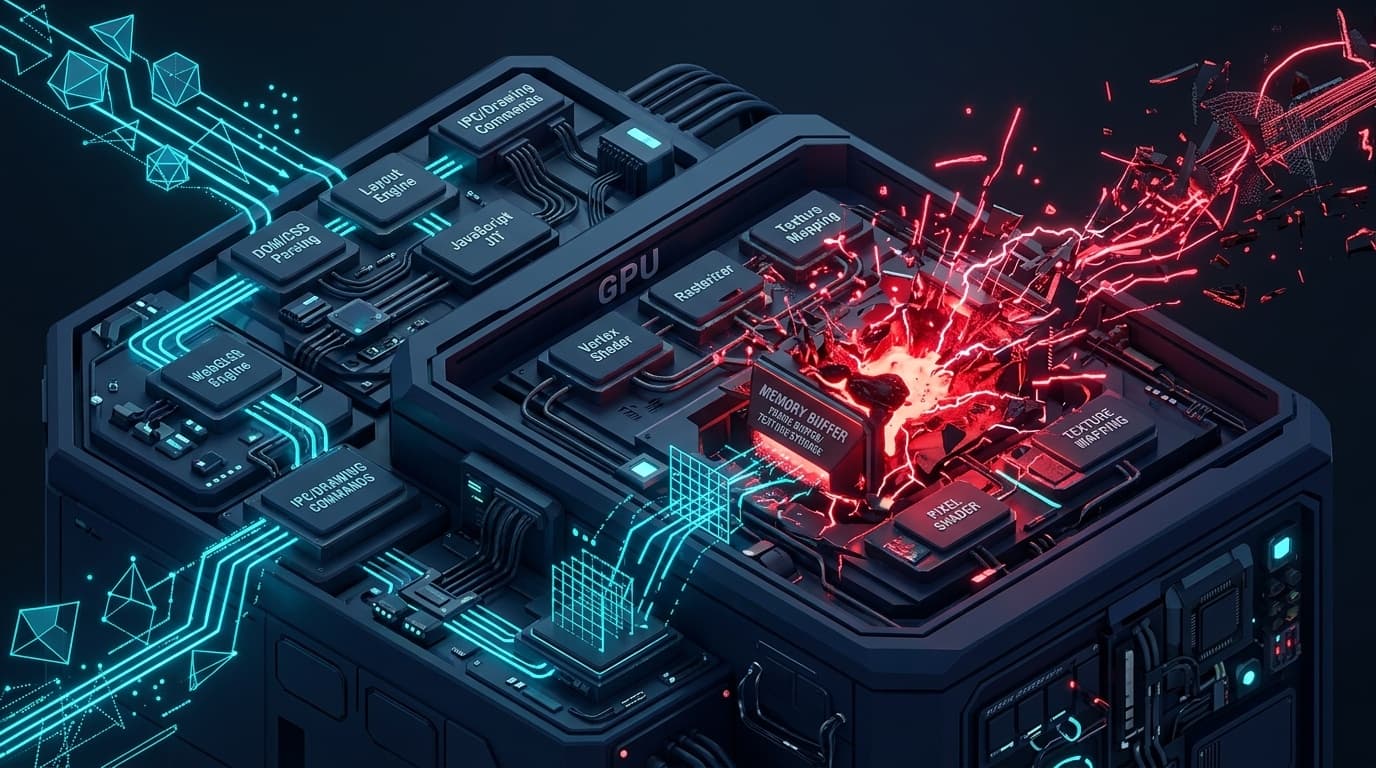
Encrypted messaging platform Signal has announced a major architectural privacy control designed to restrict screenshots by default across mobile client applications. The policy implementation is targeted at preventing artificial intelligence (AI) agents operating at the mobile operating system level from reading, parsing, and indexing confidential chat sessions. While aimed at thwarting autonomous context ingestion on modern operating systems, Signal noted that the safeguard remains incomplete due to underlying architectural constraints and hardware-level capture capabilities inherent to mobile ecosystems.
The Threat Landscape: Operating-System Level Agentic Scraping
Modern mobile operating systems increasingly deploy ambient, persistent AI agents that continuously index screen content, analyze visual layouts, and synthesize user context to automate workflows and assist with productivity. These agentic models frequently rely on background optical character recognition (OCR), visual frame buffers, and programmatic screenshot APIs to observe user activity across running applications.
For end-to-end encrypted messaging services like Signal, where cryptographic isolation guarantees that intermediate transit servers and infrastructure providers cannot inspect plaintext communication, operating system-level screen scraping presents an acute architectural challenge. Even if the cryptographic tunnel remains uncompromised, client-side screen scraping exposes cleartext messages, contact identifiers, and shared media directly at the presentation layer prior to display disposal.
Signal's mitigation restricts the ability of host operating systems to capture visual snapshots of active conversations. By enforcing screen security flags at the application layer, the client instructs the underlying graphics compositor to suppress visual frame captures when rendering conversation threads and contact profiles.
Cross-Platform Architecture: iOS and Android Implementation
The defensive mechanism operates across both major mobile platforms, addressing distinct system interfaces and ambient agent capabilities:
- iOS Deployment: The defensive measure restricts screen captures and preview caching within supported mobile releases. The control targets system-level agentic processes capable of ingesting application visual buffers. When the screen protection flag is active, system capture mechanisms are blinded, outputting blank visual streams or preventing background snapshots during task switching.
- Android Deployment: On Android devices, the implementation maps to application-level display window security flags (such as
FLAG_SECURE), which notify the surface compositor that window contents must be treated as confidential. This prevents the window from appearing in screenshots, video recordings, display mirroring streams, and assistive system scrapers with screen-reading privileges.
By shifting this configuration to a default posture, Signal aims to reduce exposure for non-technical users who might otherwise run assistive AI subsystems without realizing that active chats are subjected to multimodal ingestion pipelines.
Analysis of Defense-in-Depth Limitations
Despite the implementation of default capture restrictions, Signal acknowledged that the countermeasure is intrinsically incomplete. Client applications executing on consumer mobile hardware face several boundary limitations:
1. Platform Sovereign Authority
Operating system vendors retain ultimate execution control over device memory, window managers, and display servers. If an operating system architecture prioritizes agentic inspection over application-level flags, or if vendor-level AI services run with elevated system privileges that bypass standard application window restrictions, the security boundary cannot fully prevent frame capture.
2. Out-of-Band and Hardware Capture
Software-level display flags cannot prevent visual recording performed via secondary cameras, external display captures, hardware debuggers, or analog observation. The "analog hole" remains an unavoidable limitation of any software presentation defense.
3. Accessibility Services and Screen Parsers
Certain operating system versions grant specialized permissions to accessibility frameworks or screen reader APIs to support assistive technologies. While essential for accessibility, misconfigured or overly permissive background agents with accessibility rights may still interact with application view hierarchies under specific system configurations.
Deployment Matrix and Protection Scope
The following table summarizes the scope and operational posture of Signal's screenshot restrictions across mobile environments:
| Operational Layer | Target Threat Vector | Mitigation Mechanism | Security Status |
|---|---|---|---|
| Graphics Compositor | Automated visual scrapers and system task-switcher caching | Window security flags suppressing buffer output | Enforced by default |
| Multimodal AI Agents | Continuous background indexing and visual OCR analysis | Blanked visual capture streams | Active within supported OS boundaries |
| Platform Privileged APIs | Vendor-level system agents operating below application level | Application-level capture suppression requests | Incomplete; subject to OS enforcement |
| Out-of-Band Hardware | External screen recording, photography, and capture cards | None (Physical limitation) | Unmitigated by software design |
Defensive Playbook and Practical User Guidance
Organizations and security-conscious individuals managing sensitive communications across mobile fleets should adopt practical mitigations to complement Signal's client-side controls:
- Audit Device-Level AI Permissions: Security administrators and users should review mobile settings to inspect which system-wide agentic or assistive features have permissions to scan display content. Where feasible, disable global screen-awareness features on devices handling confidential workflows.
- Validate Client Configuration: Users should verify within Signal settings that screen security options are actively enabled, particularly after restoring device backups or migrating across operating system builds.
- Enforce Mobile Device Management (MDM) Policies: Enterprise environments managing corporate devices should configure MDM profiles to restrict untrusted third-party screen-recording software and limit diagnostic screen capture permissions across managed endpoints.
- Maintain Hardware Hygiene: For maximum-confidentiality operations, personnel should adhere to physical isolation practices, avoiding sensitive message display in environments subject to unmonitored visual surveillance.
Remaining Unknowns and Technical Trajectory
As operating system vendors continue embedding multimodal foundation models into foundational system services, the balance between user privacy and agentic utility remains an evolving concern. Key technical factors that remain unconfirmed include the precise architectural boundaries future mobile revisions will grant to privileged vendor agents, and whether platform vendors will maintain strict adherence to developer-specified window security flags when proprietary ambient intelligence features are enabled.
Signal's intervention highlights an emerging tension in endpoint security: balancing the functional demands of operating-system-level AI automation against the rigorous confidentiality guarantees expected by end-to-end encrypted messaging platforms.