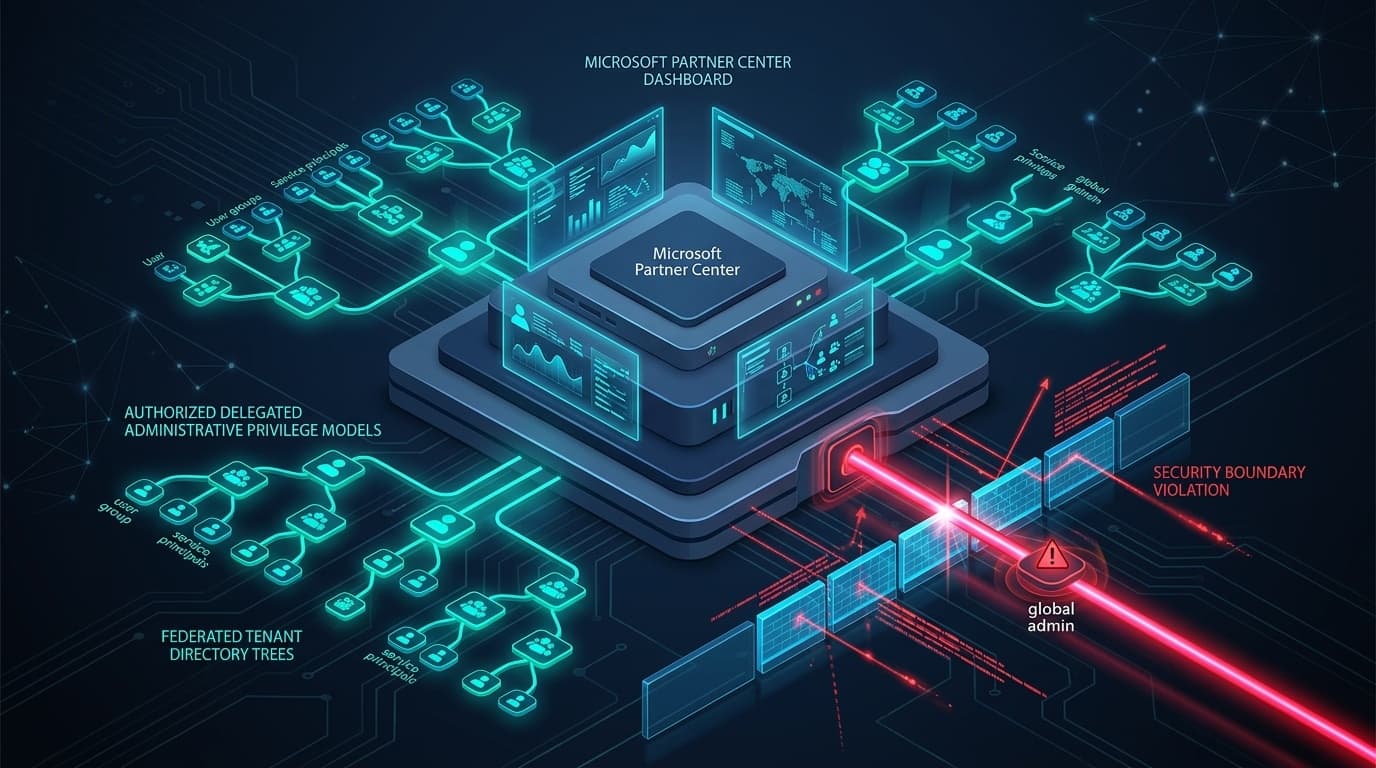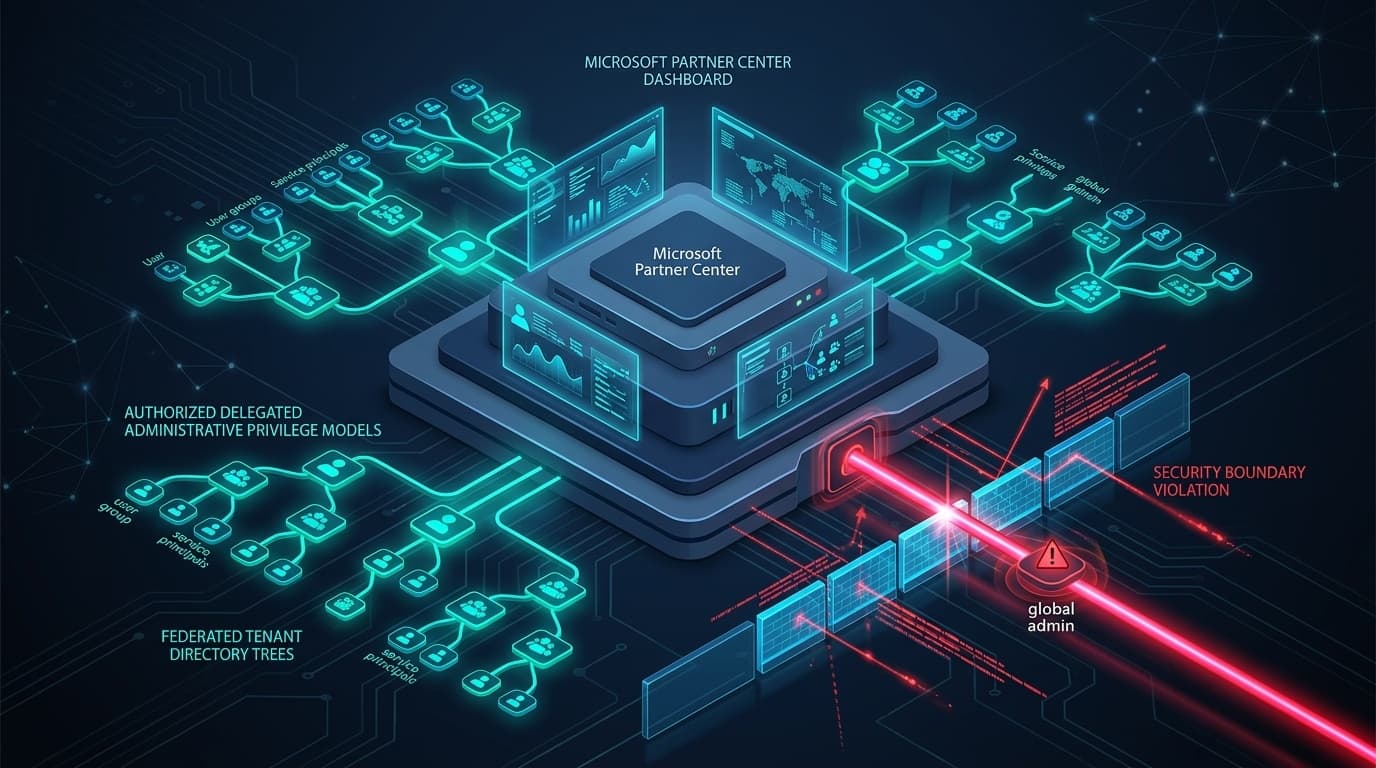
Enterprise infrastructure security teams are facing complex operational hurdles as multi-tiered application environments display diverging runtime behaviors depending on authentication state, client configuration, and deployment topology. According to an official security disclosure released under tracking identifier DISCOV-AI-SECURITY-12i88tp, administrative operators frequently observe systems functioning normally while unauthenticated visitors or external entry points encounter entirely different responses. This operational disconnect extends across exposed web application delivery servers, browser extension management architectures, and core AI server environments.
The Divergence Between Internal Management and External Visibility
Modern enterprise web applications rely heavily on caching tiers, reverse proxies, and edge delivery networks designed to optimize payload delivery and isolate internal microservices from direct public access. However, as noted in the Enterprise Infrastructure disclosure, these complex routing arrangements can introduce significant blind spots. When an administrator evaluates an application while logged in, authenticated session headers and administrative privilege tokens trigger distinct server processing paths. These internal execution flows often bypass public-facing edge caches, regional content delivery routing rules, or dynamically injected scripts.
Consequently, an application may present a clean, operational status to internal monitoring consoles while external clients experience alternate behavior. In hostile or compromised scenarios, dynamic payload delivery techniques exploit these exact architectural seams. Attackers or malicious configurations can selectively alter responses based on client cookies, referring URLs, geographic routing headers, or IP reputation lists. When diagnostic checks only interrogate systems from authenticated bastion hosts or corporate network blocks, abnormal behaviors delivered to external visitors can persist undetected for prolonged intervals.
Extension Lifecycle Discrepancies and Client-Side Delivery Paths
The disclosure highlights an analogous challenge within browser extension ecosystems across corporate client estates. Browser add-ons operate with deep hooks into the client runtime, often maintaining access to DOM structures, network request interceptors, and local storage mechanisms. The disclosure indicates that the functional behavior of these extensions can vary significantly based on how an add-on is located, sourced, and provisioned onto the endpoint.
In standard enterprise environments, software verification procedures often concentrate on initial package integrity—confirming cryptographic signatures, inspecting static manifest permissions, and testing functionality in isolated staging sandboxes. However, modern modular extensions frequently implement dynamic resource fetching or condition-dependent logic. Depending on whether an extension is installed directly from an official marketplace directory, sideloaded through an administrative provisioning policy, or pulled down during automated profile synchronisation, its execution path may shift.
Core Vectors Identified Across Extension Environments
- Conditional Execution: Logic paths that remain inert during static automated scans or sandboxed execution, activating only under specific user-driven browsing actions or persistent session profiles.
- Installation Source Variation: Divergent manifest parameters or update channel endpoints mapped dynamically based on initial provisioning mechanics.
- Privilege Abuse in Local Contexts: Legitimate baseline capabilities, such as request logging or header rewriting, utilized to manipulate transaction context without triggering standard boundary alerts.
AI Server Infrastructure and Compute Layer Integrity
A critical component of the advisory concerns enterprise AI infrastructure and core host systems. As enterprise organizations transition machine learning models and inference engines from isolated research environments into core production pipelines, these systems become tightly integrated with web gateways, internal databases, and automated orchestration platforms.
AI servers frequently require broad operational entitlements, high-throughput network access to internal datasets, and remote API management interfaces to handle continuous model training and distributed inference workloads. The official advisory highlights the vulnerability of these environments when exposed through inadequately isolated network topologies or insecure control planes. When an AI compute cluster is co-located with public-facing web infrastructure, an anomaly at the perimeter—such as an unnoticed configuration error on an edge delivery system—can expose compute nodes to unauthorized access or lateral pivoting.
| Infrastructure Domain | Primary Operational Anomaly | Verification Limitation |
|---|---|---|
| Edge Web Delivery & Proxies | Discrepant content rendering between logged-in operators and public visitors. | Internal synthetic health checks fail to inspect unauthenticated external views. |
| Browser Extensions | Execution behavior fluctuates based on acquisition path and installation method. | Static manifest analysis does not capture dynamic, runtime-dependent workflows. |
| Enterprise AI Servers | Unintended exposure of compute infrastructure via perimeter network linkages. | Monitoring often focuses on compute utilization rather than network interface ingress. |
Practical Defensive Response and Structural Posture
To address the architectural risks detailed in the Enterprise Infrastructure disclosure, security engineering teams must look beyond superficial functional checks and implement independent, multi-perspective validation across all operational tiers.
1. External Web Verification Architecture
Organizations should establish outside-in monitoring frameworks that systematically probe public assets from clean, non-corporate IP spaces without administrative session tokens. These probes must evaluate response headers, script hashes, and DOM state variations across diverse user-agent strings and geographical routes. Correlating external telemetry with internal server logs enables rapid detection of routing anomalies, unauthorized proxy manipulation, or context-aware redirection logic.
2. Browser Ecosystem Governance
Endpoint administrative policies must enforce rigorous software boundary controls on all client browsers. Organizations should avoid unmanaged extension installations by implementing strict centralized allowlists. Every allowed component must undergo runtime behavioral evaluation rather than simple static manifest inspection. Group policies should be configured to disable developer-mode sideloading, enforce centralized update pathways, and restrict browser extensions from accessing internal enterprise domains or sensitive single sign-on authentication handlers.
3. Network Segmentation for High-Value AI Systems
AI compute clusters, model weight repositories, and inference API nodes must reside within strictly segregated network zones. Direct routability between edge web application tiers and internal AI infrastructure must be blocked by default. Management planes for AI clusters should be accessible exclusively through mutual TLS (mTLS), hardware-backed authentication gateways, and dedicated administrative networks isolated from general corporate traffic.
Outstanding Technical Questions and Unconfirmed Elements
While the official disclosure establishes the presence of these multifaceted architectural risks across web services, browser ecosystems, and AI core systems under identifier DISCOV-AI-SECURITY-12i88tp, several specific operational elements remain unelaborated in the published record. The advisory does not list specific third-party software version numbers, Common Vulnerability Scoring System (CVSS) numerical metrics, or definitive software patch releases.
Furthermore, the available documentation does not confirm active weaponization campaigns by specific threat actor groups, nor does it provide concrete technical exploit details or complete lists of affected enterprise product release branches. Because comprehensive indicators of compromise (IOCs) and definitive vulnerability scoring have not been published in the primary source document, engineering teams must focus on architectural isolation, independent external telemetry validation, and rigorous software entitlement enforcement across their computing infrastructure.