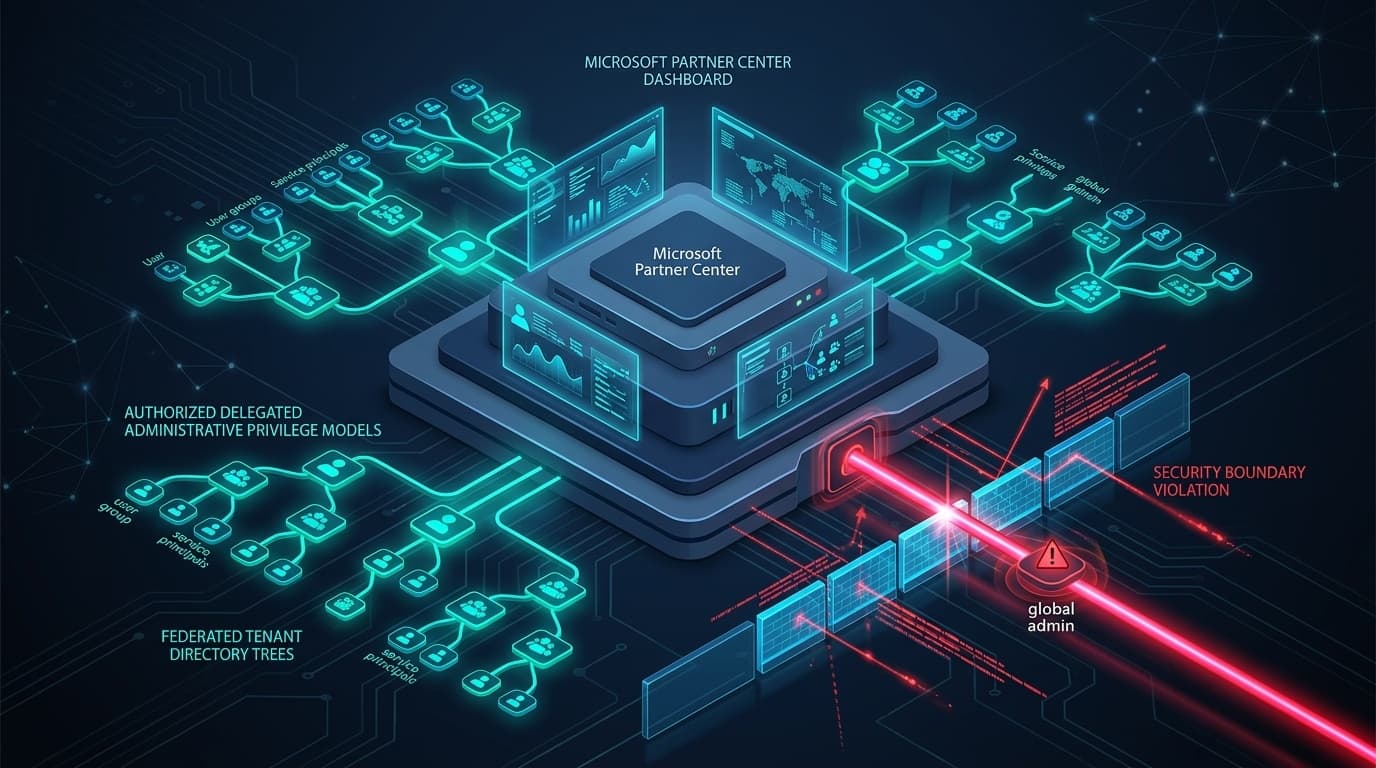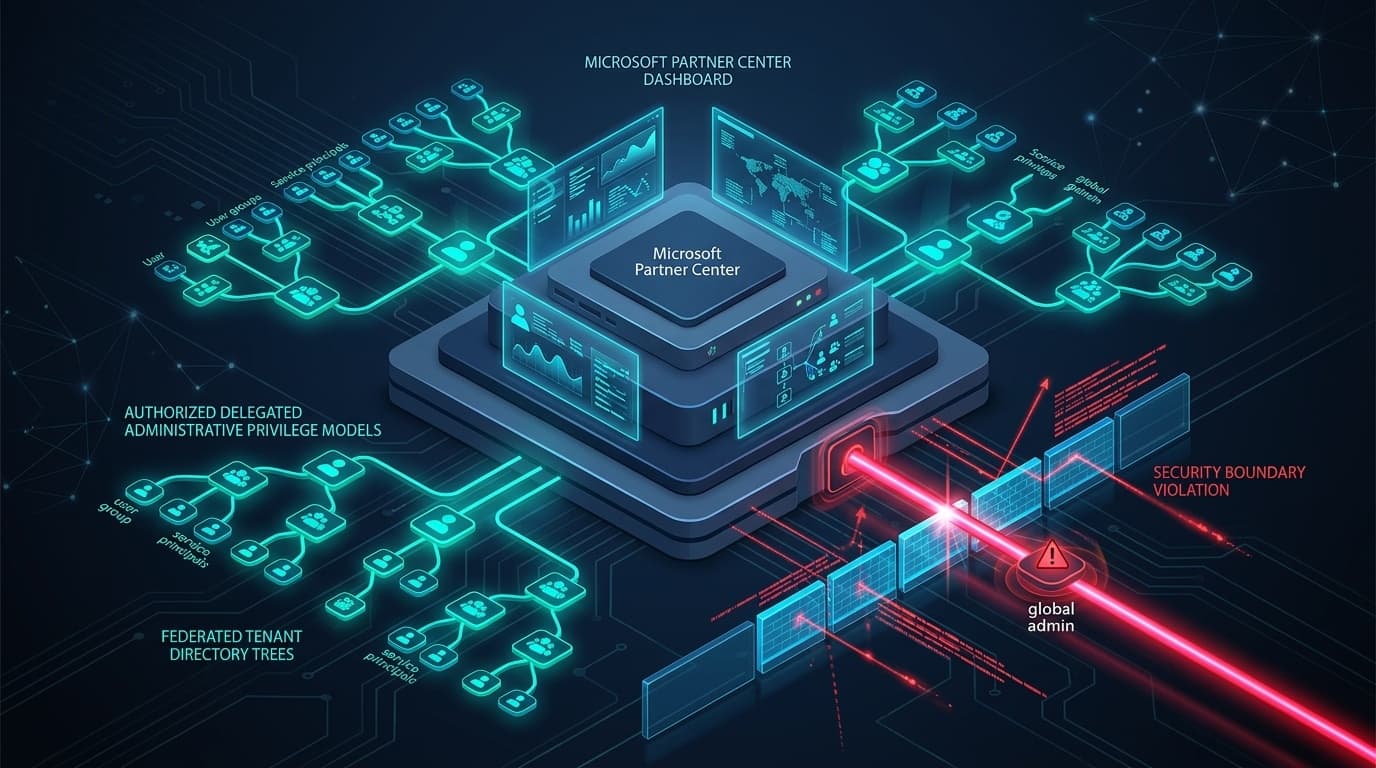
Enterprise infrastructure operators are confronting an increasingly nuanced class of evasive cyber threats that exploit structural blind spots across web applications, administrative workstations, and modern AI compute workloads. Operational disclosures from enterprise security investigations show an attack surface spanning anomalous web server response behaviors, deceptive browser add-ons, and unauthorized compute access targeting backend server infrastructure.
Rather than relying solely on overt binary exploitation or disruptive denial-of-service tactics, the analyzed campaigns leverage conditional execution and contextual awareness to conceal unauthorized activities from internal audit procedures. This technical briefing synthesizes confirmed telemetry, system architecture vectors, operational impact assessments, and actionable response strategies for infrastructure defense teams.
Conditional Response Delivery and Web Infrastructure Anomalies
A primary challenge identified in web delivery infrastructure involves conditional content presentation—often termed dual-persona or split-view behavior. In these scenarios, a public-facing web service or reverse proxy presents completely legitimate, benign content to administrative accounts, authenticated corporate sessions, and standard health monitoring probes, while selectively serving unauthorized content or redirecting unauthenticated public traffic.
Web servers such as NGINX and Apache HTTP Server are typically deployed at the edge of enterprise architectures to handle load balancing, SSL/TLS termination, and request routing. When upstream backend scripts, proxy caching rules, or web application firewalls are improperly configured, attackers can leverage conditional evaluation logic based on incoming HTTP request headers.
Mechanics of Header-Based Traffic Forking
Conditional delivery relies on inspecting telemetry points before determining the response body sent over the wire:
- Session and Cookie State: Incoming requests carrying valid administrative cookies or internal enterprise IP address ranges are routed directly to legitimate production endpoints, ensuring internal testing detects no anomalies.
- User-Agent and Referer Headers: Requests arriving from specific external search indexes or non-administrative browsing contexts trigger alternative proxy pass-through directives.
- Geographic and Network IP Ranges: Traffic originating from known internal monitoring ranges receives standard static assets, while external enterprise customers encounter manipulated content.
Because automated health checks and internal administrative reviews consistently receive pristine HTTP 200 responses with expected DOM trees, the underlying manipulation can persist unnoticed across millions of exposed edge endpoints unless comprehensive external behavioral audits are conducted.
Context-Shifting Malicious Browser Extensions
In parallel with server-side response manipulation, enterprise perimeter boundaries are frequently bypassed via malicious browser extensions installed on corporate workstations. Over 250 deceptive extensions have been cataloged across major browser ecosystems, exhibiting adaptive behaviors designed to evade static signature analysis.
Unlike traditional operating system malware, extensions operate natively within the context of the browser runtime, holding extensive permissions such as declarativeNetRequest, webRequest, storage, and broad URL host access patterns. These entitlements allow extensions to read and alter document object models, capture session identifiers, and intercept sensitive enterprise credentials without triggering standard endpoint detection and response (EDR) file-write alerts.
Installation Vector Analysis and Deferred Payloads
Investigations reveal that the installation pathway significantly alters extension operational behavior:
- Direct Store Installations: When fetched directly through automated analysis sandboxes or official catalog scanners, extensions maintain dormant state logic, executing only minimal, benign background utilities.
- Referral and Sideloaded Delivery: When installed via targeted enterprise social engineering links, customized campaign tracking IDs trigger dynamic command-and-loop routines, pulling updated operational manifests from external control nodes.
- Runtime DOM Injection: The extension injects client-side JavaScript into authenticated SaaS workflows, silently modifying administrative configuration panels, exfiltrating authentication tokens, or redirecting banking and infrastructure management consoles.
Because standard code reviews of the initial extension manifest often reveal only benign utility functions, conventional verification models that rely solely on installation-time inspections prove insufficient.
Enterprise AI Server Infrastructure Exposure
The convergence of web layer manipulation and credential harvesting directly impacts modern enterprise infrastructure, particularly specialized AI server clusters. High-performance compute instances hosting machine learning models, inference endpoints, and orchestration pipelines are high-value targets for compute hijacking and unauthorized model access.
Vulnerability Surface in AI Deployments
Enterprise AI infrastructure frequently incorporates microservices, distributed model loaders, and web administrative dashboards that lack legacy perimeter hardening. Common exposure points include:
- Unauthenticated Inference Endpoints: Model serving frameworks exposed across enterprise networks without granular role-based access control (RBAC), allowing unauthorized tenants to submit arbitrary inputs or hijack GPU compute cycles.
- Insecure Deserialization: Model checkpoints and pipeline configuration files loaded from untrusted local or network directories, allowing arbitrary code execution in the context of the model serving daemon.
- Command Injection in Pipeline Wrappers: Automated training pipelines that invoke external shell scripts to handle data preprocessing and containerized task dispatch.
When administrative sessions are compromised via malicious browser extensions, administrative credentials for AI cluster orchestrators—including Kubernetes controllers and cloud provider resource groups—provide attackers with immediate administrative access to proprietary weights, confidential training data, and high-performance hardware assets.
Technical Architecture and Risk Comparison
The following table outlines the operational differences across the primary attack vectors impacting enterprise infrastructure environments:
| Threat Vector | Primary Execution Context | Persistence Mechanism | Operational Exposure |
|---|---|---|---|
| Dual-Persona Web Services | Edge Reverse Proxies & NGINX Web Servers | Manipulated upstream routing & header evaluation logic | Brand reputation damage, external client deception, unmonitored proxying |
| Evasive Browser Extensions | Client Workstation Web Browser Runtime | Manifest background service workers & declarative rules | Session hijacking, credential theft, silent DOM manipulation across SaaS portals |
| AI Server Hijacking | High-Performance Compute & GPU Clusters | Exposed orchestration daemons & hijacked API tokens | Resource exhaustion, proprietary model extraction, lateral network access |
Defensive Playbook and Practical Response
Mitigating multi-layered infrastructure threats requires coordinated intervention across edge proxies, client workstations, and compute cluster configurations.
1. Edge Web Proxy Hardening
- Audit Dynamic Routing Rules: Inspect NGINX and Apache configuration files for anomalous
rewrite,proxy_pass, or conditionalmapblocks that alter routing logic based on arbitrary incoming request headers. - Implement External Perspective Probing: Perform automated synthetic monitoring of web properties using external, non-corporate egress nodes to identify discrepancies between administrative and public-facing responses.
- Enforce Strict Cache Headers: Prevent cache poisoning by ensuring intermediaries do not store or serve varying content variants based on unkeyed client headers.
2. Enterprise Extension Governance
- Group Policy Management: Enforce enterprise-wide browser extension blocklists using Administrative Templates (ADMX) for Google Chrome, Microsoft Edge, and Mozilla Firefox, disallowing unauthorized third-party extension installations.
- Permission Auditing: Restrict internal developers and administrative personnel to extensions that do not demand broad host permissions (such as
*://*/*) or arbitrary background request redirection rights. - Automated Inventory Monitoring: Query endpoint management tools to continuously inventory installed browser extensions across all managed endpoints, flagging sudden version updates or unlisted extension IDs.
3. AI Infrastructure Access Control
- Isolate Compute Clusters: Ensure AI model training nodes and inference endpoints are deployed within dedicated private subnets, accessible only through hardened VPN gateways or authenticated zero-trust network architectures (ZTNA).
- Mandate Mutual TLS (mTLS): Enforce cryptographic identity verification for all internal microservices communicating with distributed AI training or inference frameworks.
- Implement Resource Quotas: Configure strict GPU and compute runtime quotas to detect abnormal surges in resource utilization indicative of background compute hijacking.
Remaining Unknowns and Operational Monitoring
Several key operational factors remain under active investigation across the broader threat intelligence landscape:
- Attribution and Coordination: It remains unconfirmed whether these distinct vectors operate under a single coordinated advanced persistent threat (APT) actor or reflect disparate, opportunistic campaigns leveraging overlapping infrastructure weaknesses.
- Scale of Passive Exposure: The total aggregate volume of edge web servers currently running compromised or dual-persona routing configurations across global IP space has not been definitively quantified.
- Model Tampering Extent: While resource hijacking and unauthorized access to AI clusters have been identified, the degree to which deployed production models have experienced malicious weight poisoning or covert data exfiltration remains undetermined.
Security teams must maintain active continuous telemetry across edge routing tables, client browser inventories, and cluster workload telemetry to identify emerging deviations before lateral exploitation compromises mission-critical enterprise systems.