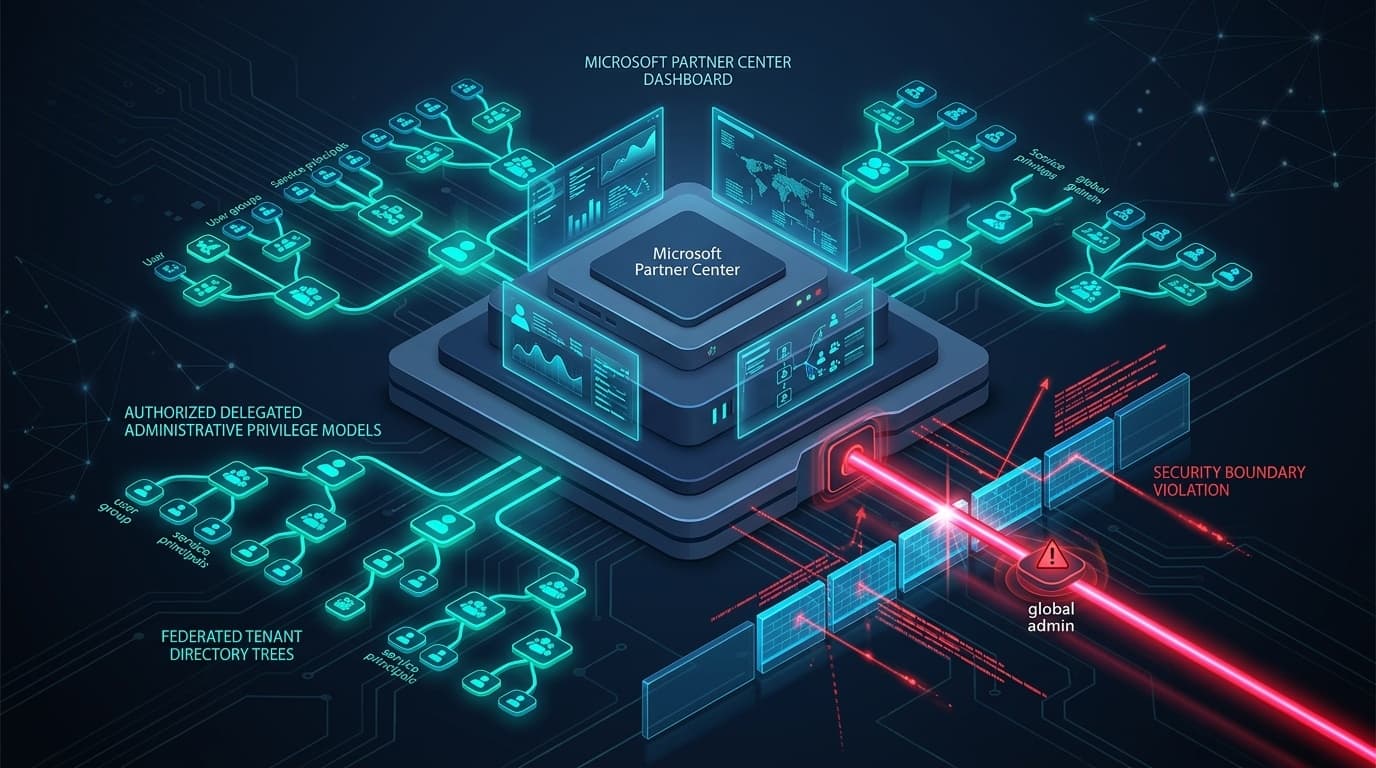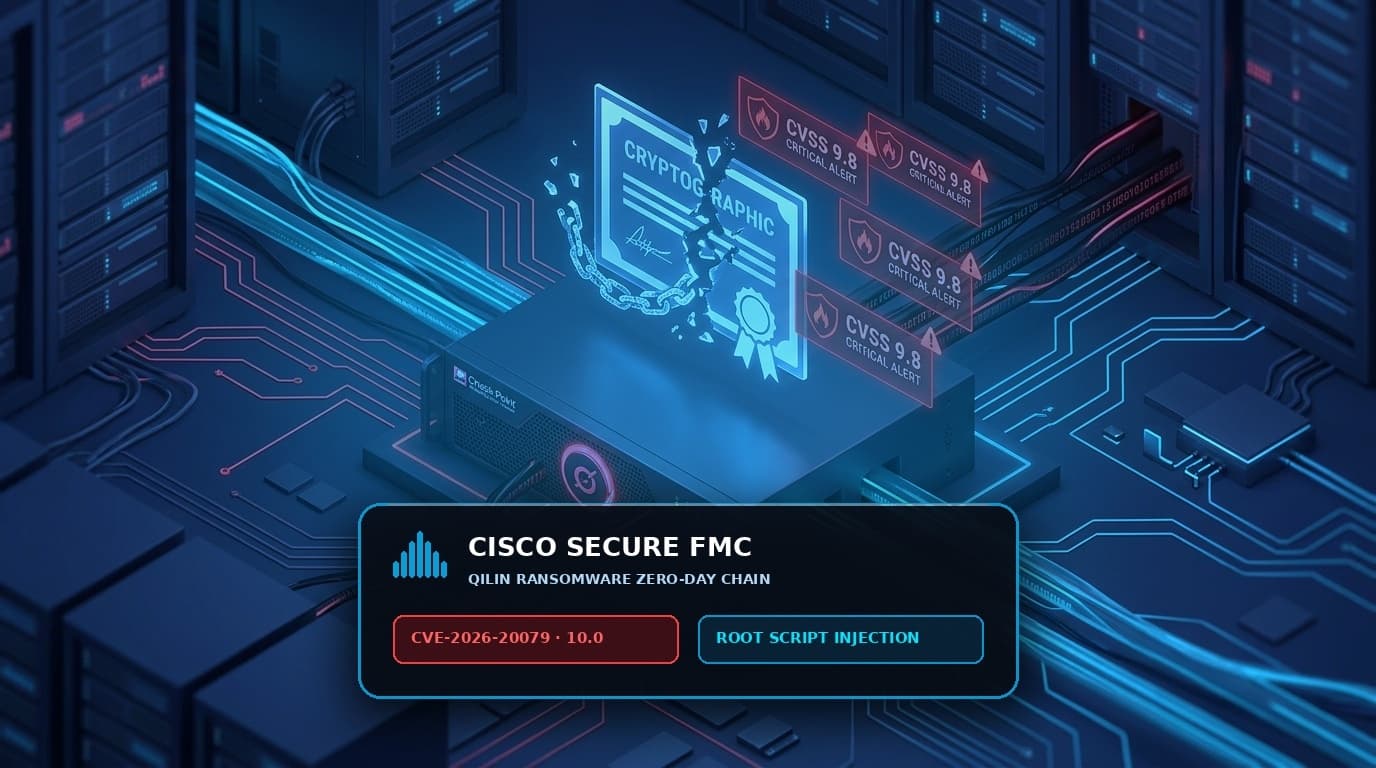
A critical shift in the enterprise threat landscape has placed network appliance supply chains under increased scrutiny. Recent vulnerability tracking and infrastructure security advisories indicate that a predominant share of actively exploited flaws affecting enterprise network devices originates not within proprietary code authored by appliance vendors, but inside third-party software dependencies bundled into the final products.
As enterprise perimeters rely heavily on dedicated gateways, application delivery controllers, and edge networking appliances, the integration of upstream third-party utilities and libraries has created an expanded attack surface. These embedded dependencies frequently escape routine vulnerability scanning, leaving organizations exposed to sustained weaponization attempts against perimeter defenses.
The Mechanics of Bundled Component Exposure
Network security appliances, remote access gateways, and industrial core platforms are rarely built entirely from monolithic proprietary source trees. To accelerate development and deployment, hardware and software appliance vendors consistently package external operating system distributions, open-source networking daemons, embedded web servers, and third-party administrative tooling into their firmware images.
While this architecture allows for rapid feature delivery, it creates an inherited risk model. When a vulnerability is identified and exploited in an upstream utility, the defect cascades downstream into every vendor ecosystem that embeds that package. Unlike traditional software environments where administrators can manage package repositories directly using standard system tooling, enterprise network appliances generally operate as closed, locked-down systems.
Because end users are restricted from applying discrete package updates or recompiling vulnerable packages on proprietary firmware images, they remain dependent on the appliance manufacturer to curate, test, and release a comprehensive platform update. This dynamic dramatically widens the dwell time between public disclosure or active exploitation and the deployment of effective defensive countermeasures.
Visibility Gaps and the Software Bill of Materials Deficit
A primary factor compounding enterprise risk is the absence of comprehensive visibility into device internal architectures. Security operations teams frequently lack precise Software Bills of Materials (SBOMs) for the physical and virtual appliances operating across their corporate perimeters.
When public disclosure records or threat advisories report that an open-source library or common subsystem is undergoing active exploitation in the wild, defensive teams face significant friction determining whether their specific gateway deployment contains the affected component. Standard asset discovery tools often identify only the outer vendor operating system banner rather than the nested dependencies operating under the management interface.
The resulting operational friction leaves enterprise defenders reliant on vendor disclosure notices to confirm whether specific product families integrate the vulnerable third-party components. If a vendor requires weeks to audit internal dependencies and release an advisory, attackers operating with knowledge of the upstream weakness retain an extended window of operational freedom.
Implications for Edge Infrastructure Deployments
Network devices and perimeter appliances represent high-value targets for adversaries seeking durable persistence. Located at the intersection between untrusted external networks and sensitive corporate zones, an appliance compromise provides attackers with an unmonitored foothold that typically bypasses host-based endpoint detection and response (EDR) platforms.
Because appliances frequently run with elevated administrative privileges to route traffic, inspect packets, and handle corporate credentials, an exploited flaw within a secondary third-party utility can lead to complete device takeover. From an administrative interface or an embedded parsing library, an attacker can pivot across local memory boundaries, intercept encrypted traffic, or establish reverse tunnels directly into internal network zones.
| Infrastructure Tier | Common Third-Party Dependency Types | Operational Impact of Exploitation |
|---|---|---|
| Edge Gateways & VPNs | Web application servers, SSL/TLS libraries, authentication helpers | Perimeter compromise, credential interception, remote administrative control |
| Application Delivery Controllers | Traffic proxies, header parsers, logging frameworks | Traffic manipulation, request smuggling, denial of service |
| Core Network Appliances | Embedded operating systems, system utilities, management daemons | Firmware tampering, lateral access across segmented boundaries |
Strategic Defensive Playbook
Mitigating the threat of third-party software risks embedded within network infrastructure requires an architectural approach that assumes perimeter devices may harbor undocumented or vulnerable components.
1. Strict Administrative Plane Isolation
The vast majority of vulnerabilities in bundled components reside within management consoles, web administrative portals, and configuration daemons. Organizations must ensure that device management interfaces are never exposed directly to the public internet. Administrative access should be strictly restricted to isolated, out-of-band management subnets accessible only via dedicated jump hosts requiring phishing-resistant multi-factor authentication.
2. Upstream Architecture Auditing and Vendor Accountability
Procurement and security governance teams must demand verifiable Software Bills of Materials from appliance manufacturers during contract evaluation and maintenance renewals. Enterprises should prioritize vendors that maintain transparent supply chain tracking, rapid vulnerability disclosure protocols, and documented processes for rapidly integrating upstream security patches.
3. Rigorous Outbound Traffic Filtering
In the event that an unpatched third-party component within an appliance is exploited, attackers typically attempt to establish external command-and-control communication or retrieve secondary payloads. Enforcing strict egress firewall rules that prevent perimeter appliances from initiating outbound connections to arbitrary public IP addresses can sever attacker control channels and constrain post-exploitation activity.
4. Centralized Telemetry and Behavioral Monitoring
Because proprietary appliance firmware rarely supports third-party security agents, defenders must rely on external network telemetry. Continuous ingestion of NetFlow, IPFIX, and appliance-generated syslog data into a centralized security information and event management (SIEM) pipeline is critical to detect anomalous data exfiltration, abnormal administrative logins, or unexpected port scanning originating from the device itself.
Key Technical Unknowns
While the role of third-party dependencies in infrastructure compromise is clear, significant variables remain specific to individual enterprise environments:
- Exact Dependency Lineage: The specific version branches of third-party packages incorporated across differing firmware revisions often remain undisclosed until formal vendor advisories are issued.
- Exploitation Mechanics in Tailored Runtimes: The extent to which vendor-specific security hardening, memory protections, or stripped binaries prevent or alter functional exploitation of upstream flaws varies by architecture.
- Scope of Latent Vulnerabilities: It remains unknown how many bundled open-source or legacy third-party components inside active network appliances harbor undiscovered vulnerabilities that have not yet been correlated to public advisories.
Defenders must continue to treat network appliances as critical single points of failure, reinforcing perimeter devices with robust segmentation, behavioral telemetry, and rigorous vendor scrutiny.