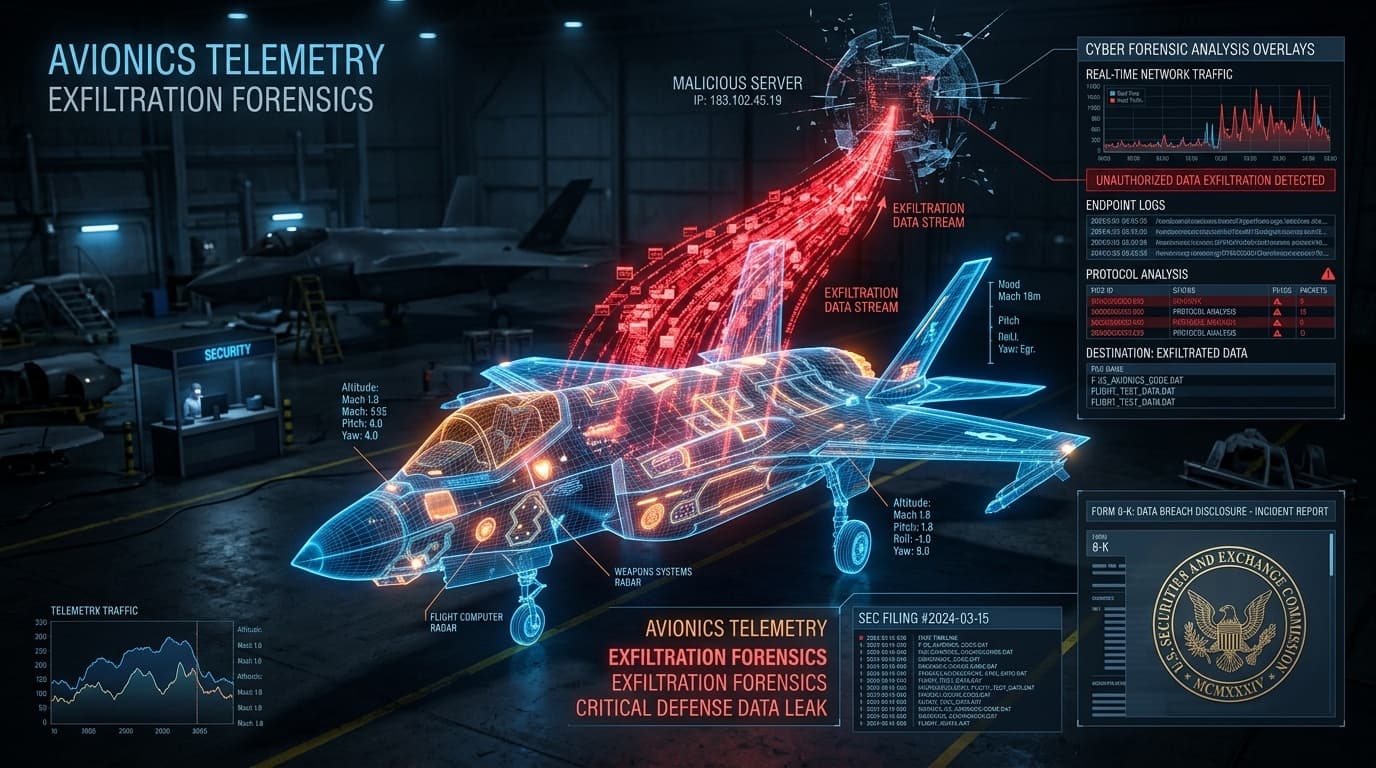
A targeted cyber espionage campaign has been observed conducting surveillance operations against government, military, and legislative organizations throughout Southeast Asia. According to investigative threat disclosures, the intrusion activity has been orchestrated to gather strategic intelligence specifically focused on regional defense posture, military arrangements, and geopolitical discussions surrounding the South China Sea.
The campaign focuses on core administrative networks and internal systems utilized by public sector bodies and sovereign agencies. The adversary demonstrates focused intent on harvesting communication streams, diplomatic correspondences, and planning documentation related to maritime security cooperation.
Strategic Objectives and Targeting Focus
The targeting pattern indicates a state-aligned intelligence-gathering apparatus rather than financially motivated operators. Across the affected organizations, activity centered on departments handling foreign affairs, national defense strategy, and legislative review.
Documented activity demonstrates that the threat actors prioritized:
- Legislative and Diplomatic Records: Monitoring internal drafts and multilateral positions concerning maritime territory negotiations and naval boundaries.
- Military Command Portals: Intercepting data related to operational readiness, joint military drills, and bilateral defense logistics in Southeast Asia.
- Regional Communication Infrastructure: Targeting public sector messaging platforms and executive mail servers to establish persistent collection footholds.
The South China Sea remains one of the world's most contested maritime corridors, carrying vast global trade flows and intersecting territorial claims. Electronic reconnaissance into military planning and sovereign bilateral agreements offers operating entities deep visibility into competing diplomatic strategies, early warning of strategic alliances, and tactical naval awareness.
Intrusion Profile and Operational Context
While specific technical entry vectors and payload mechanisms continue to undergo forensic isolation, the threat group demonstrates tradecraft optimized for prolonged persistence without alerting network defenders. Unlike disruptive wiper or ransomware intrusions, espionage sets deliberately calibrate network activity to blend with legitimate internal protocol traffic.
Intrusion activity in this campaign systematically probed administrative endpoints and core communication services across state infrastructures. Once within an environment, the operators focus on obtaining access to local document repositories and shared directories holding classified or sensitive defense files.
| Observation Category | Operational Finding |
|---|---|
| Targeted Verticals | Military, legislative bodies, and government ministries across Southeast Asia |
| Primary Motivation | Strategic intelligence extraction on defense and maritime agreements |
| Operational Focus | Compromising internal networks, core enterprise platforms, and executive communications |
| Impact Scope | Unauthorized data surveillance, confidential document exfiltration, and administrative access exposure |
Defensive Playbook and Practical Response
Organizations operating in regional government, national defense, and international policy domains must assume active interest from regional espionage actors and implement strict isolation and auditing measures.
1. Enforce Stringent Identity and Access Boundaries
Government administrators must restrict privileged access across all network segments housing legislative records or operational defense plans. Implement robust phishing-resistant multi-factor authentication across all external access portals, VPN gateways, and web-accessible mail systems.
- Audit all administrative accounts within domain environments and revoke unused service tokens.
- Enforce granular conditional access controls, denying remote authentication originating outside authorized state ranges or untrusted device profiles.
- Segment defense-sensitive file shares behind internal jump hosts requiring hardware-backed identity verification.
2. Visibility Across Internal Lateral Movement
Espionage operators frequently leverage legitimate network management protocols to maneuver internally. Endpoint and network logging should be tuned to record command-line invocations, service installations, and unusual SMB or remote desktop sessions connecting disparate administrative subnets.
Defenders should deploy host-level behavioral telemetry to capture anomalous process behavior within critical enterprise systems, auditing executions from system paths such as C:\Windows\Temp and unusual user directories.
3. Network Egress and Data Exfiltration Audits
Establish strict inspection of outbound communication channels. State espionage campaigns typically stage documents into compressed archives prior to egress across standard web ports or external cloud relays.
- Inspect outbound HTTPS connections for anomalous traffic bursts originating from database servers or document stores.
- Implement strict egress firewall policies, blocking non-essential protocol flows and enforcing domain whitelisting on internal operational nodes.
- Review DNS query logs for unexpected dynamic domain lookups or repetitive high-frequency beaconing sequences.
Confirmed Details vs. Operational Unknowns
Public reporting and security alerts from official platforms have confirmed the broad target demographics and regional focus of the campaign. Specifically, the intent to intercept intelligence on defense pacts and South China Sea policies has been verified through observed victim profiles across regional government ministries.
However, several technical facets remain subject to ongoing analysis:
- Specific Vulnerability Exploitation: Primary documentation has not tied this intrusion wave to a specific known CVE identifier or published unpatched zero-day flaw.
- Initial Breach Mechanisms: Detailed delivery methods—whether conducted via targeted spear-phishing attachments, edge gateway credential abuse, or trusted third-party supply chain vectors—remain under ongoing investigation.
- Exfiltration Tooling: Specific custom backdoors or specialized command-and-control frameworks utilized during this wave have not yet been publicly cataloged.
Security teams managing public administration networks, maritime transportation authorities, and diplomatic entities in the Indo-Pacific region are advised to maintain heightened monitoring, inspect active directory changes, and review administrative access logs for unauthorized activity.