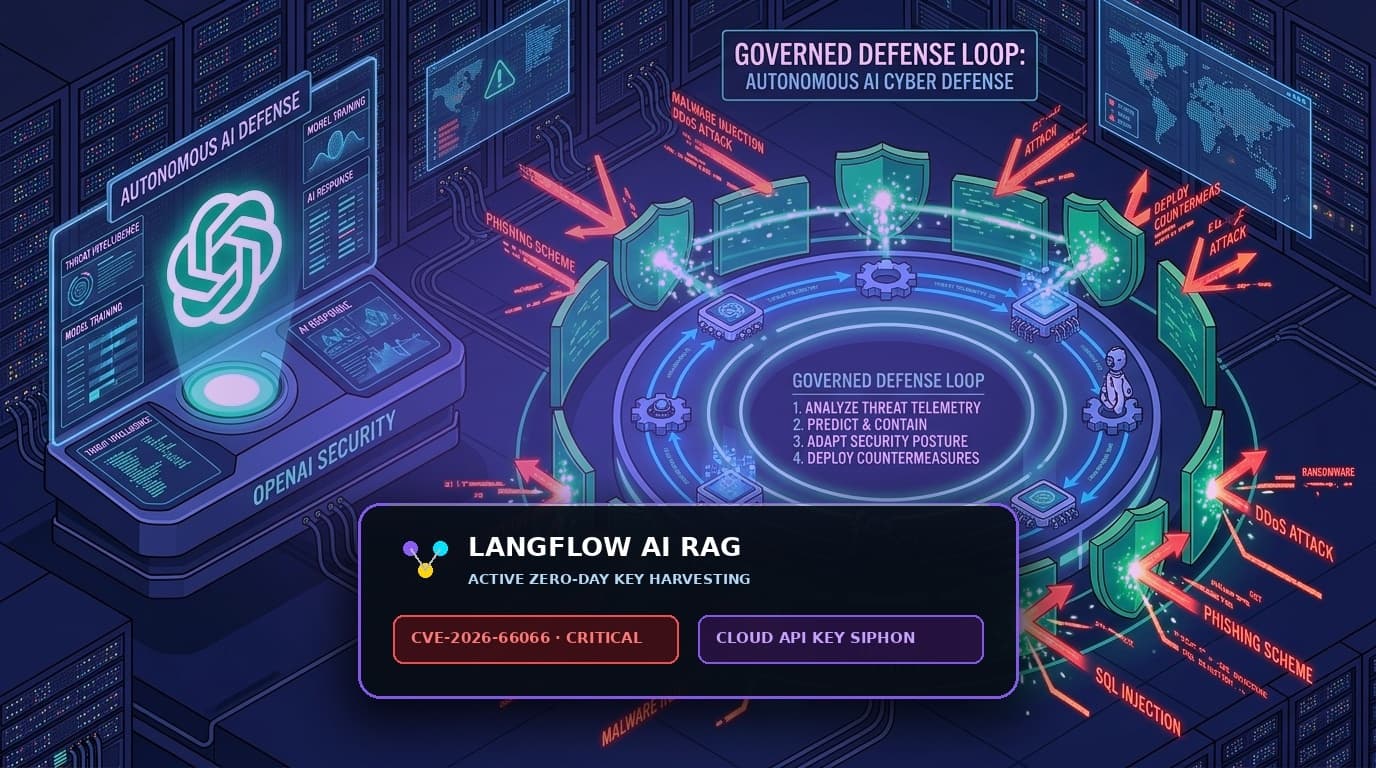
In a significant leadership change within federal cybersecurity governance, Sean Cairncross has concluded his tenure as the National Cyber Director. During his time leading the Office of the National Cyber Director, Cairncross served at the center of high-level administration policy decisions, directly shaping government postures on emerging artificial intelligence security and the defensive fortification of national critical infrastructure assets.
Executive Leadership and Administrative Role
The position of the National Cyber Director serves as the principal advisory authority to executive leadership on national cyber policy, defensive synchronization, and digital ecosystem resilience. Throughout his tenure, Sean Cairncross oversaw strategic coordination across civilian agencies, defense apparatuses, and private sector utility operators to establish cohesive operational priorities.
His administration was marked by concerted cross-agency engagements aimed at harmonizing technical standards, reducing friction between regulatory mandates, and driving proactive threat-mitigation frameworks across key economic sectors. The formal transition marks an important juncture for the federal government's ongoing strategic roadmaps in enterprise cyber defense.
Strategic Focus: Artificial Intelligence Security
Among the defining focal areas of Cairncross's tenure was the administration's posture regarding artificial intelligence security. As generative architectures, autonomous model pipelines, and machine learning components integrated into critical enterprise software stacks, federal policy required dynamic updates to address unique threat models.
Key areas impacted by administrative decisions during this period included:
- Model Integrity and Supply Chain Oversight: Formulating baseline considerations for identifying vulnerabilities within training datasets, dependency chains, and model weight distributions.
- Adversarial AI Risk Management: Assessing prompt injection vectors, systemic automated exploitation techniques, and data poisoning threats to national digital assets.
- Defensive AI Operationalization: Supporting frameworks that encourage defensive automated triage and rapid telemetric anomaly detection across government networks.
Under Cairncross's direction, strategic administrative decisions sought to balance rapid technological deployment with rigorous safety constraints, ensuring federal stakeholders maintained oversight of high-impact AI systems.
Critical Infrastructure Protection Initiatives
In parallel with emerging technology policies, Cairncross was directly involved in coordinating protections across sixteen designated critical infrastructure sectors. The operational mandate centered on hardening vulnerable surface areas in energy distribution, financial services, telecommunications, water treatment facilities, and public healthcare networks against sustained adversary targeting.
Cross-Sector Collaboration and Resiliency
Critical infrastructure protection under the National Cyber Director's scope prioritized the operational transition from reactive remediation to structural cyber resilience. Administrative efforts concentrated on:
- Establishing clear communication channels between operational technology (OT) facility managers and federal defensive intelligence centers.
- Enforcing baseline architectural security hygiene across legacy industrial control systems (ICS) and supervisory control and data acquisition (SCADA) deployments.
- Facilitating incident readiness drills designed to test operational continuity during large-scale network outages or systemic disruptions.
These priorities established a baseline for public-private accountability, reinforcing the principle that infrastructure owners share collective responsibility with federal defense entities.
Overview of Leadership Responsibilities
The strategic oversight executed during Cairncross's administration encompassed diverse inter-agency initiatives summarized below:
| Operational Focus Area | Administrative Objective | Implementation Scope |
|---|---|---|
| AI Security Doctrine | Standardize defensive safeguards for autonomous and machine learning deployments | Federal enterprise systems and critical AI workflow pipelines |
| Critical Infrastructure Protection | Harden operational networks against disruptive intrusions and state-sponsored activity | Energy, telecommunications, water, finance, and industrial facilities |
| Strategic Policy Coordination | Align executive cyber doctrine with civilian and defense regulatory partners | Inter-agency working groups and executive advisory bodies |
| Public-Private Synchronization | Streamline bidirectional defensive intelligence dissemination | Industry asset owners, operators, and sector-specific risk agencies |
Practical Considerations for Enterprise and Infrastructure Operators
While executive transitions alter agency personnel, enterprise security leaders and infrastructure operators should expect federal strategic defense trajectories to maintain continuity. Organizations aligning with established national frameworks should observe the following practical operational practices:
- Maintain Framework Alignment: Continue standardizing security programs against federal best practices, focusing on identity governance, asset visibility, and segmentation between IT and OT systems.
- Audit AI Deployments: Security teams utilizing production machine learning models should conduct structural audits of model inputs, pipeline access credentials, and pipeline dependencies to defend against emerging automated attack techniques.
- Strengthen Incident Reporting Protocols: Review internal escalation playbooks to ensure rapid compliance with established federal and sector-specific notification timelines.
- Validate Defense-in-Depth Architectures: Ensure multi-factor authentication (MFA) enforcement across all remote entry portals and strictly restrict external internet exposure to core operational technology devices.
What Remains Unknown
Official records confirmed through enterprise disclosure repositories verify Cairncross's departure and highlight his involvement in AI security and infrastructure milestones, yet several organizational details remain undisclosed. The official successor to the National Cyber Director role has not yet been designated in published advisories, and the exact timeline for interim administration leadership appointments remains unannounced. Furthermore, specific future executive policy directives regarding updated AI governance timelines and subsequent regulatory adjustments await formal clarification by the incoming leadership team.