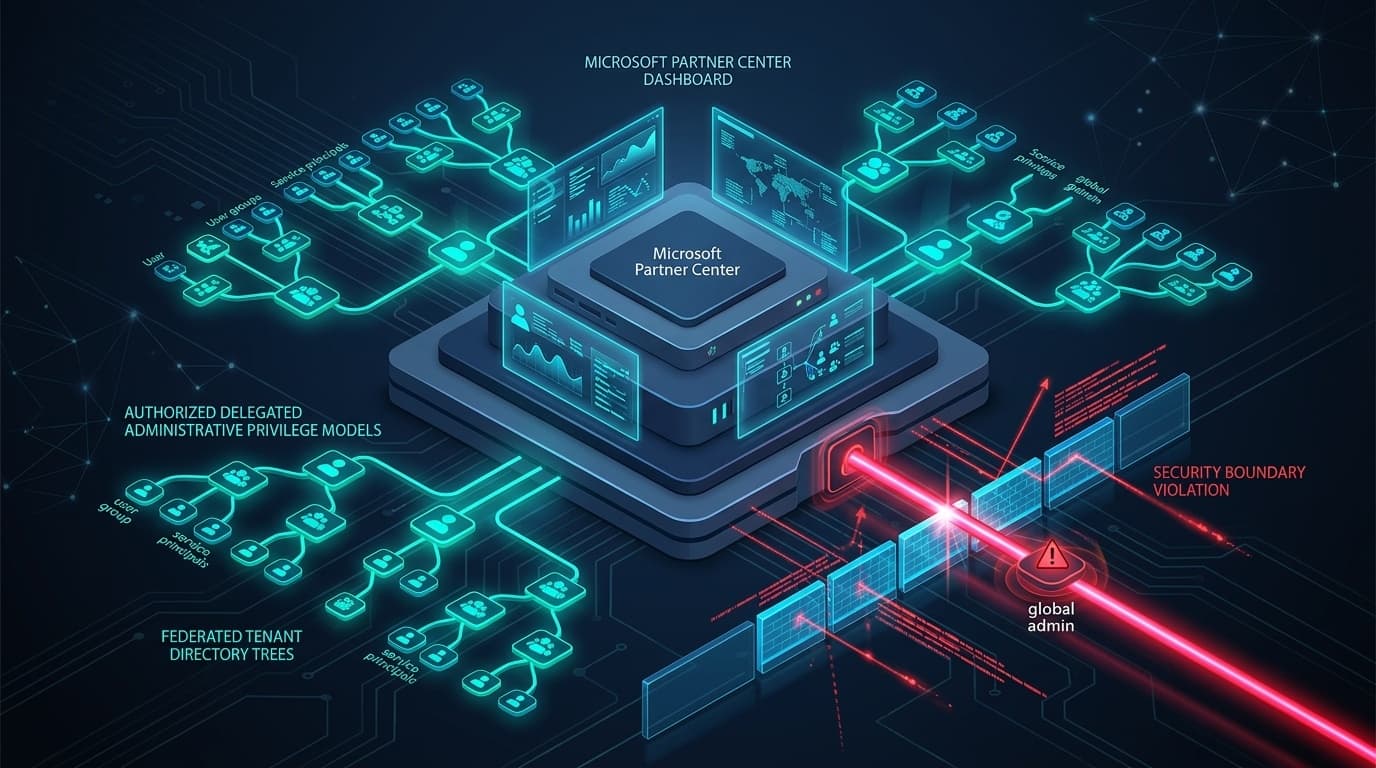
Managed cloud hosting provider Rackspace has announced the complete decommissioning and permanent shutdown of its Rackspace Spot compute platform after confirming a severe security breach. The incident permitted unauthorized third-party actors to compromise the environment and access customer Kubernetes clusters and associated confidential secrets. Following the discovery of the intrusion, Rackspace determined that the Spot platform would be decommissioned entirely rather than restored to standard service, imposing a firm deadline of December 8 for all impacted customers to retrieve their data, export cluster configurations, and shift active workloads elsewhere.
The Incident and Nature of the Compromise
Rackspace Spot was engineered as an open-market auction platform for cloud capacity, designed to supply low-cost, spot-market compute instances primarily managed via Kubernetes orchestration. According to formal disclosures released to affected tenants, threat actors managed to penetrate the underlying control plane or orchestration layers supporting the Spot ecosystem. This unauthorized intrusion exposed tenant boundary controls, enabling access to running Kubernetes deployments, customer compute nodes, and stored cryptographic artifacts.
In containerized workloads managed through Kubernetes, the exposure of cluster-level secrets typically encompasses severe operational risks. Depending on specific tenant architectures, compromised artifacts can include:
- Base64-encoded Kubernetes Secret objects: Ingress credentials, API authentication tokens, and internal database passwords stored within the cluster namespaces.
- Service account tokens: Internal authentication JSON Web Tokens (JWTs) granting programmatic access to cluster API endpoints and workload resources.
- TLS private keys and certificates: Cryptographic materials governing encrypted data transit between internal services and public ingress endpoints.
- Third-party service credentials: Embedded cloud provider keys, object storage credentials, and external webhook integrations configured inside running pods.
Given the depth of tenant access attained by the unauthorized party, the integrity of workloads operating within the Spot boundary could no longer be verified, leading directly to the decision to shutter the service.
Scope of Impact Across Deployments
The security compromise was strictly isolated to the Rackspace Spot architecture and did not propagate into Rackspace's broader enterprise hosting products, dedicated servers, or third-party hyperscaler managed cloud environments (such as Rackspace Managed AWS, Microsoft Azure, or Google Cloud). However, for organizations actively leveraging Spot for batch compute, flexible testing, or low-cost microservice hosting, the impact is comprehensive.
| Deployment Layer | Compromise Status | Customer Action Required |
|---|---|---|
| Rackspace Spot Compute Instances | Compromised | Cease execution; extract container volumes and configuration templates. |
| Kubernetes Namespace Secrets | Accessed by Threat Actors | Revoke, invalidate, and rotate all exposed credentials across all connected networks. |
| Rackspace Spot Control Plane | Decommissioning | Migrate workloads to alternative infrastructure prior to December 8. |
| Rackspace Core Hosting & Private Cloud | Unaffected | Standard operational monitoring; no emergency migration required. |
Because Spot operated on multi-tenant pools where transient resources were frequently reassigned and dynamically orchestrated, the unauthorized visibility into secrets required treating all stored and active tenant materials within that perimeter as compromised.
Immediate Response and Migration Directives
Rackspace has established a strict termination timeline culminating on December 8. After this cutoff, all Spot API endpoints, control planes, physical hypervisors, and storage volumes allocated to the service will be permanently taken offline, with customer data becoming unrecoverable. System administrators and DevOps teams maintaining nodes on the platform must execute a structured incident response and workload evacuation workflow.
Phase 1: Secret Invalidation and Credential Revocation
Because external actors gained access to cluster configurations, teams must assume that any secret present in a Spot Kubernetes namespace has been harvested. Defending against subsequent lateral movement into external corporate networks requires immediate credential hygiene:
- Rotate External API Keys: Immediately revoke database passwords, S3 storage keys, external payment processor credentials, and continuous integration tokens that were provisioned as environment variables or Secret objects inside Spot pods.
- Invalidate TLS Certificates: Revoke any private keys or certificates stored within ingress controllers or cert-manager configurations deployed on the affected clusters.
- Audit Connected Endpoints: Inspect network traffic and access logs for external databases or remote APIs that permitted incoming connections from Rackspace Spot IP ranges, checking for unauthorized queries executed during the exposure window.
Phase 2: Workload Extraction and Cluster Relocation
Organizations must immediately redeploy their container manifests and application state to clean target environments outside of the Spot architecture:
- Export Helm charts, Kustomize overlays, and vanilla Kubernetes YAML definitions directly from version control systems rather than dumping running cluster state, ensuring no injected artifacts persist.
- Download persistent data volumes, database snapshots, and application logs stored on Spot block storage before the December 8 decommission cutoff.
- Deploy newly provisioned clusters on alternative cloud infrastructure or private compute, injecting completely regenerated secrets through automated secret managers rather than reusing previous values.
- Update external DNS records and load balancer routes to direct user traffic away from Spot edge endpoints to the newly established hosting targets.
What Remains Unknown
While the administrative impact and operational timeline have been clearly detailed, several technical aspects of the security incident have not been disclosed in the primary enterprise communication:
- Initial Access Vector: The specific mechanism exploited to breach the Spot perimeter—such as an unpatched hypervisor vulnerability, a container escape, a compromised administrative credential, or an architectural flaw in the proprietary spot-market bidding engine—has not been confirmed.
- Threat Actor Identification: Disclosures have not attributed the compromise to a specific adversary group, advanced persistent threat (APT), or financially motivated ransomware syndicate.
- Duration of Unauthorized Access: The total dwell time—the precise timeframe between the adversary's initial infiltration of the Spot infrastructure and the detection event—remains unstated.
- Exfiltration Volume: The exact extent to which data volumes were actively copied outside the platform versus browsed and inspected within the control plane has not been publicly itemized on a per-tenant basis.
Organizations currently operating inside the affected environment should proceed under the operational assumption of total secret disclosure, prioritizing the immediate revocation of all associated tokens while completing their workload migration well in advance of the December 8 shutdown deadline.