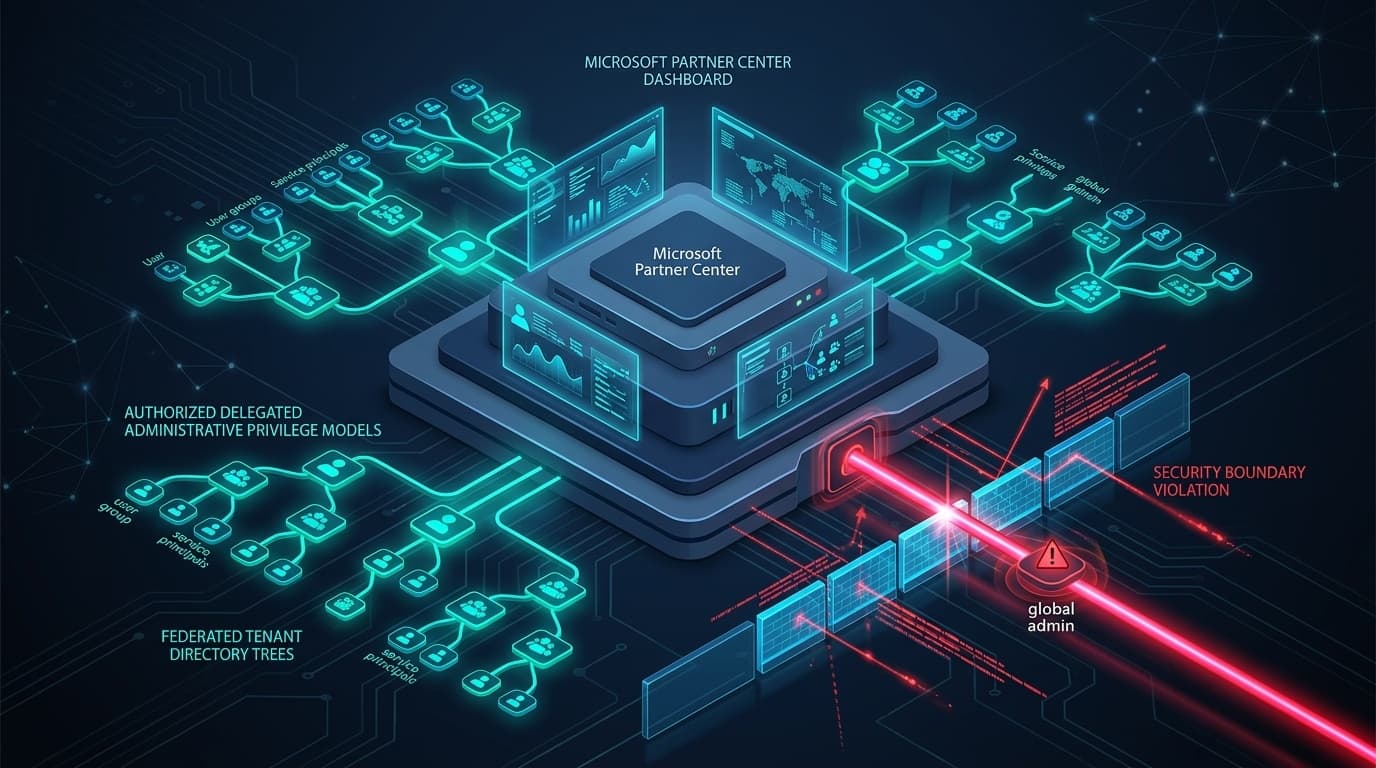
Cloud storage and encryption provider pCloud has officially confirmed a cybersecurity incident affecting its pCloud Pass password manager platform. The acknowledgment follows a cascade of user reports detailing unauthorized active sessions established from unrecognized hardware devices, despite affected accounts having multi-factor authentication (MFA/2FA) security controls actively configured. The incident highlights emerging vulnerabilities surrounding session orchestration and credential manager cloud infrastructure.
Confirmed Incident Facts and Initial Detection
The security compromise surfaced when multiple subscribers to the pCloud Pass password management platform observed anomalous security alerts indicating that unfamiliar client devices had successfully authenticated into their secure account profiles. Alarmingly, several affected administrators and end users confirmed that account-level two-factor authentication safeguards had been mandated and operational prior to the illicit access events.
Following internal investigations, platform operators confirmed that unauthorized threat activity impacted core systems associated with the password vault infrastructure. While pCloud provides client-side zero-knowledge encryption architecture across its flagship product offerings, unauthorized session establishment against a password manager profile presents severe operational risks regarding potential credential exposure, token leakage, and unauthorized synchronization of sensitive customer secrets.
Technical Context and Authentication Verification
Password manager architectures typically depend on a multi-tiered security perimeter combining master password derivation (such as PBKDF2 or Argon2 key derivation functions), asymmetric encryption for secret synchronization, and identity validation layers enforcing session authorization. When unauthorized devices successfully attach to active accounts despite operational second-factor verification, investigators scrutinize several potential architectural breakdown vectors:
- Session Token Interception and Replay: Compromise of session management layers or bearer authorization tokens, allowing adversaries to bypass primary and secondary challenge gates entirely by replaying authenticated tokens.
- Upstream Service Authentication Logic Flaws: Logic bypass bugs within Central Authentication Service (CAS) endpoints or OAuth/OIDC implementation layers that fail to validate 2FA tokens before releasing synchronization permissions.
- Credential Vault Synchronization Protocols: Weaknesses in the key-exchange or push-synchronization APIs that permit remote clients to enroll as valid synchronization nodes without re-prompting for secondary cryptographic assertion.
- Malicious Session Injection: Account manipulation targeting cloud infrastructure proxies or identity provider synchronization clusters.
Under a zero-knowledge architecture, an authenticated session alone should ideally not allow an attacker to decrypt stored passwords without possession of the master passphrase or the corresponding cryptographic private keys. However, unvetted device enrollment allows threat actors to intercept telemetry, query encrypted blobs for offline cryptanalysis, and manipulate profile metadata.
Affected Deployments and Service Exposure
The scope of the confirmed intrusion centers on users operating the pCloud Pass ecosystem across multiple endpoint operating environments. Deployments potentially exposed during the active incident window include:
- Web Application Portals: Browser-based vault interfaces and direct cloud management dashboards.
- Browser Extensions: Integrations deployed across Chromium, Firefox, and related engine environments communicating via synchronization APIs.
- Desktop Client Deployments: Dedicated operating system clients synchronizing vault caches on enterprise workstations.
- Mobile Applications: iOS and Android ecosystem installations maintaining persistent background synchronization channels.
Enterprise and personal tenants relying on shared vaults or centralized organizational credential repositories are urged to treat connected session stores as potentially compromised until tenant-level audit evaluations conclude.
Incident Response and Remediation Playbook
Security engineering teams and system administrators overseeing environments where pCloud Pass has been integrated should immediately execute proactive defensive measures to mitigate credential harvesting and lateral propagation:
1. Immediate Session Revocation
Administrators and individual users must immediately access the central security management interface and execute a global session termination command. This invalidates all outstanding authorization bearer tokens, refresh tokens, and linked client sessions across all registered endpoints.
2. Master Passphrase Rotation
Rotate the master account passphrase immediately from a verified clean workstation. When choosing a replacement passphrase, adhere to high-entropy passphrases exceeding 20 characters to resist potential offline dictionary or brute-force attacks against previously synchronized encrypted database blobs.
3. Re-enrollment of Multi-Factor Authentication
Reset and regenerate multi-factor authentication secrets. De-register existing Time-based One-Time Password (TOTP) authenticators, delete legacy backup recovery codes, and enroll fresh hardware security keys (FIDO2/WebAuthn) or fresh authenticator applications.
4. Critical Vault Secret Rotation
Prioritize the immediate rotation of high-privilege credentials contained within the impacted vaults, including:
- Root and administrative infrastructure credentials (cloud consoles, server access keys, database connection strings).
- Corporate email and single sign-on (SSO) credentials.
- API tokens, private SSH keys, and webhook signing secrets.
- Financial, banking, and payment processing accounts.
| Remediation Phase | Target System | Action Required |
|---|---|---|
| Triage | Session Management | Terminate all active connected client devices and revoke OAuth refresh tokens. |
| Containment | Authentication Service | Rotate master passphrase; regenerate TOTP secrets and emergency recovery codes. |
| Eradication | Stored Credentials | Identify high-risk infrastructure keys stored in the vault and execute credential rotation. |
| Monitoring | Identity Logs | Enable real-time telemetry alerts on subsequent login attempts from unrecognized IP ranges. |
What Remains Unknown
While the initial breach and anomalous session connections have been verified, several critical technical parameters remain under investigation by security forensic teams:
- Root Cause of 2FA Bypass: It has not yet been confirmed whether the attackers utilized stolen session cookies, compromised authentication microservices, or exploited an unpatched protocol vulnerability within the mobile/desktop API handlers.
- Integrity of Cryptographic Vaults: Definite forensic confirmation has not yet determined whether encrypted vault blobs were successfully exfiltrated during the unauthorized device sessions, or whether access was restricted to profile telemetry.
- Attribution and Campaign Identity: The specific threat actor, hacking collective, or motivation underlying the targeted intrusion has not been publicly confirmed by authorities.
- Total Blast Radius: The definitive count of affected accounts and whether the compromise affected isolated user segments or global directory services remains undisclosed.
Organizations maintaining sensitive secrets within cloud-synchronized password vaults must maintain heightened vigilance, monitoring downstream identity logs for anomalous authentication events across enterprise service boundaries.