In contemporary enterprise defensive operations, a widening divergence has emerged between how organizations measure their security posture and how threat actors execute attacks. Historically, security metrics were constructed to serve executive governance boards, audit committees, and periodic compliance assessments. However, these indicators frequently aggregate data over multi-week or quarterly cadences, presenting a static snapshot of defensive readiness that fails to reflect rapid changes within production environments. As adversaries leverage automated tooling and algorithmic infrastructure to accelerate reconnaissance, exploit delivery, and initial access, static reporting models provide false assurances while leaving operational defenders blind to real-time risk.
The Collapse of Periodic Reporting in Dynamic Environments
Traditional cybersecurity reporting architectures are heavily indexed on historical metrics: the total count of scanned endpoints, patch compliance percentages averaged across thirty-day windows, and post-incident remediation tallies. While these measures offer high-level organizational trends, they provide little actionable intelligence regarding what is occurring across decentralized, hybrid cloud architectures at any given moment. A metric indicating that 95 percent of enterprise workloads meet baseline patch standards can obscure the reality that the unpatched five percent consists of externally facing edge appliances or unmonitored container workloads.
Modern adversaries do not operate on periodic schedules. Attack velocity has compressed significantly, with threat automation scanning broad IP blocks for newly publicized configuration errors or service exposures within minutes of availability. When defensive visibility relies on retrospective reviews, organizations systematically operate behind the attacker's operational loop. The fundamental challenge centers on transitioning security posture assessment from an administrative artifact into an active, telemetry-driven capability.
Technical Context: Exposure Drift and Continuous Verification
The technical root cause of security visibility degradation is operational drift. In modern enterprise deployments characterized by continuous integration and continuous deployment (CI/CD) pipelines, multi-cloud routing, and distributed identity providers, infrastructure changes constantly. A secure baseline defined during a quarterly audit decays as temporary access tokens persist, staging endpoints are inadvertently exposed to public subnets, and legacy service accounts retain unneeded administrative privileges.
To establish a coherent, real-time security picture, organizations must re-architect telemetry collection around continuous verification. This requires decoupling posture measurement from scheduled scans and embedding programmatic sensors directly into infrastructure orchestration layers:
- Dynamic Asset Inventory: Maintaining an accurate, machine-readable inventory of all compute, container, and network assets utilizing real-time API state inspection rather than weekly agent scans.
- Continuous Configuration Audit: Evaluating policy-as-code controls against running cloud instances to detect drift from established hardened baselines immediately upon deployment.
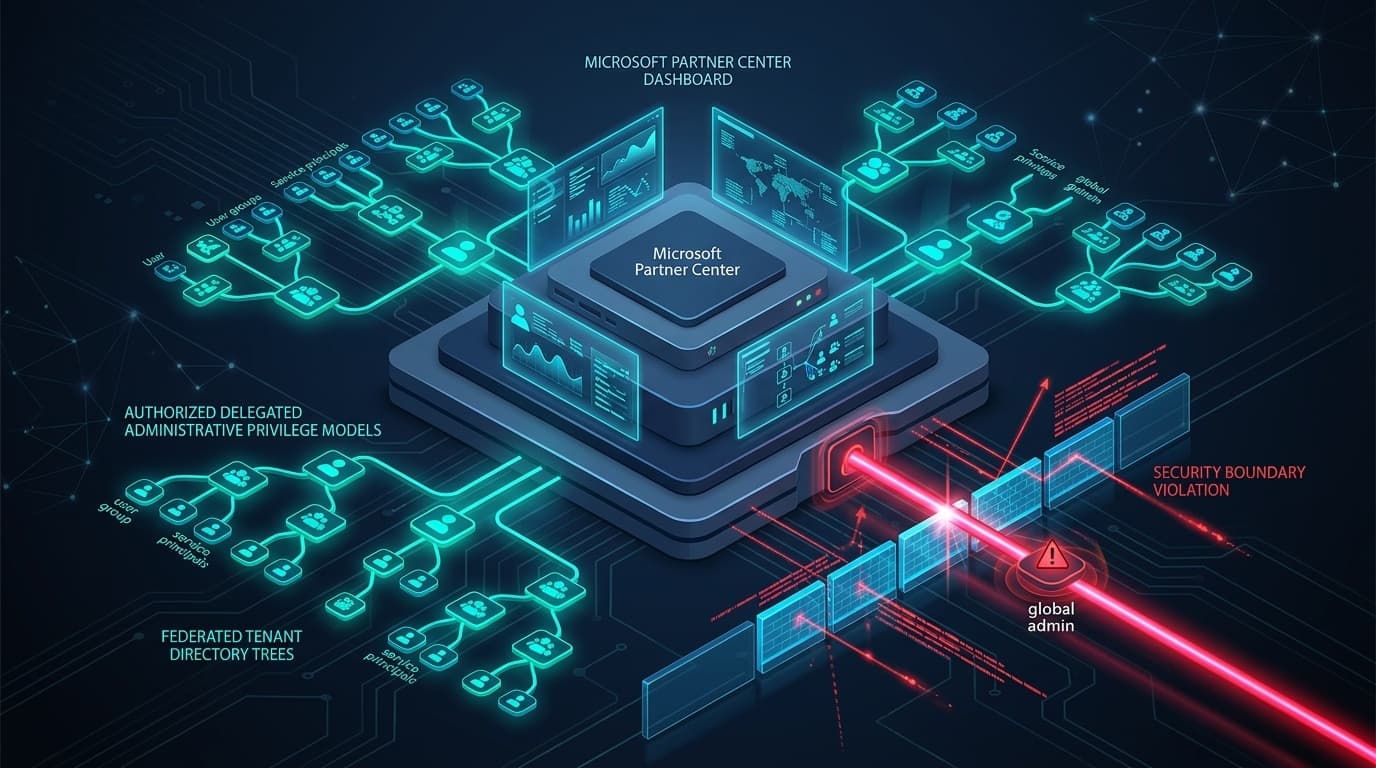
- Identity and Access Telemetry: Monitoring session lifecycles, cross-tenant service principals, and anomalous privilege escalation in real time rather than during periodic entitlement reviews.
- Exposure Surface Enumeration: Continuously mapping external attack surfaces from the perspective of an unauthenticated adversary to detect uncataloged network interfaces.
Evaluating Operational Metrics vs. Governance Indicators
Security teams often struggle to articulate the technical realities of posture management to non-technical stakeholders without diluting operational relevance. Bridging this gap requires separating governance tracking from operational defensive metrics. While governance metrics assess regulatory alignment, operational indicators must focus on exposure latency, telemetry fidelity, and remediation throughput.
| Metric Category | Traditional Static Indicator | Continuous Operational Indicator | Defensive Value |
|---|---|---|---|
| Asset Visibility | Monthly scanned host inventory | Mean time to discover unmanaged assets | Eliminates shadow infrastructure and perimeter blind spots. |
| Vulnerability Management | Aggregate open vulnerability counts | Mean time to remediate critical external exposures | Focuses mitigation capacity on actively reachable attack vectors. |
| Access Control | Annual access review completion rate | Telemetry on dormant elevated identities and service keys | Reduces initial access blast radius and lateral movement potential. |
| Detection Pipeline | Total security alerts generated per week | Signal-to-noise ratio and analyst investigation latency | Prevents defensive alert fatigue and speeds threat response. |
Affected Deployments and Organizational Scope
The operational gap between defensive metrics and threat acceleration disproportionately affects complex, heterogeneous IT ecosystems. Highly virtualized organizations operating hybrid environments, multi-region cloud infrastructures, and large fleets of remote workforce devices face continuous asset dispersion. In such settings, centralized security operations centers (SOCs) are frequently inundated with disconnected alerts from disparate endpoint detection and response (EDR), cloud security posture management (CSPM), and identity threat detection tools.
Without unified telemetry correlation, these tools generate localized metrics that fail to reflect systemic vulnerability. For example, a cloud security platform may report zero critical container vulnerabilities, while perimeter routing rules concurrently expose the underlying Kubernetes API server to the public Internet without multi-factor enforcement. The fragmentation of reporting tools creates isolated silos of compliance that mask holistic risk.
Practical Response and Architecture Implementation
Modernizing enterprise security posture requires defensive teams to redesign both operational workflows and data consumption models. Defenders should prioritize engineering practical telemetry loops that trigger immediate technical response rather than scheduled presentations.
1. Implement Programmatic Baseline Enforcement
Organizations must adopt immutable infrastructure patterns where security policies are enforced as automated gates within development pipelines. Using declarative policy engines, configurations that violate security baselines—such as overly permissive security groups or unencrypted datastores—should be rejected prior to deployment, preventing unmonitored risk from ever reaching production environments.
2. Establish Real-Time Exposure Telemetry
Security operations must establish continuous queries across identity, network, and endpoint logs. Automated correlation scripts should continuously verify that critical internal services do not possess direct ingress from external network routes. Telemetry architectures should be built to alert on high-velocity drift events, such as the unauthorized generation of long-lived access keys or unexpected modifications to perimeter firewall objects.
3. Operationalize Prioritization Frameworks
Rather than addressing vulnerability backlogs strictly by severity scores, teams must cross-reference vulnerability data with active exploit availability, asset exposure, and internal threat intelligence. Remediation efforts should focus systematically on internet-facing assets with confirmed remote code execution potential before addressing internal, isolated systems.
Remaining Operational Challenges and Unknowns
While continuous telemetry substantially enhances visibility, critical operational challenges remain unresolved. As enterprise data volumes expand, security data lakes frequently encounter performance and ingestion limits, forcing organizations to selectively sample or summarize logs. This trade-off can reintroduce temporal blind spots during sophisticated intrusion campaigns where initial reconnaissance activity occurs quietly over extended durations.
Furthermore, maintaining the operational health and coverage of detection telemetry requires continuous validation. Determining whether telemetry streams are operating accurately, without ingestion delays or dropped events across newly provisioned microservices, remains an ongoing engineering burden. Defensive leadership must continue balancing the imperative for real-time visibility with the practical constraints of telemetry processing costs, system performance overhead, and analyst cognitive load.