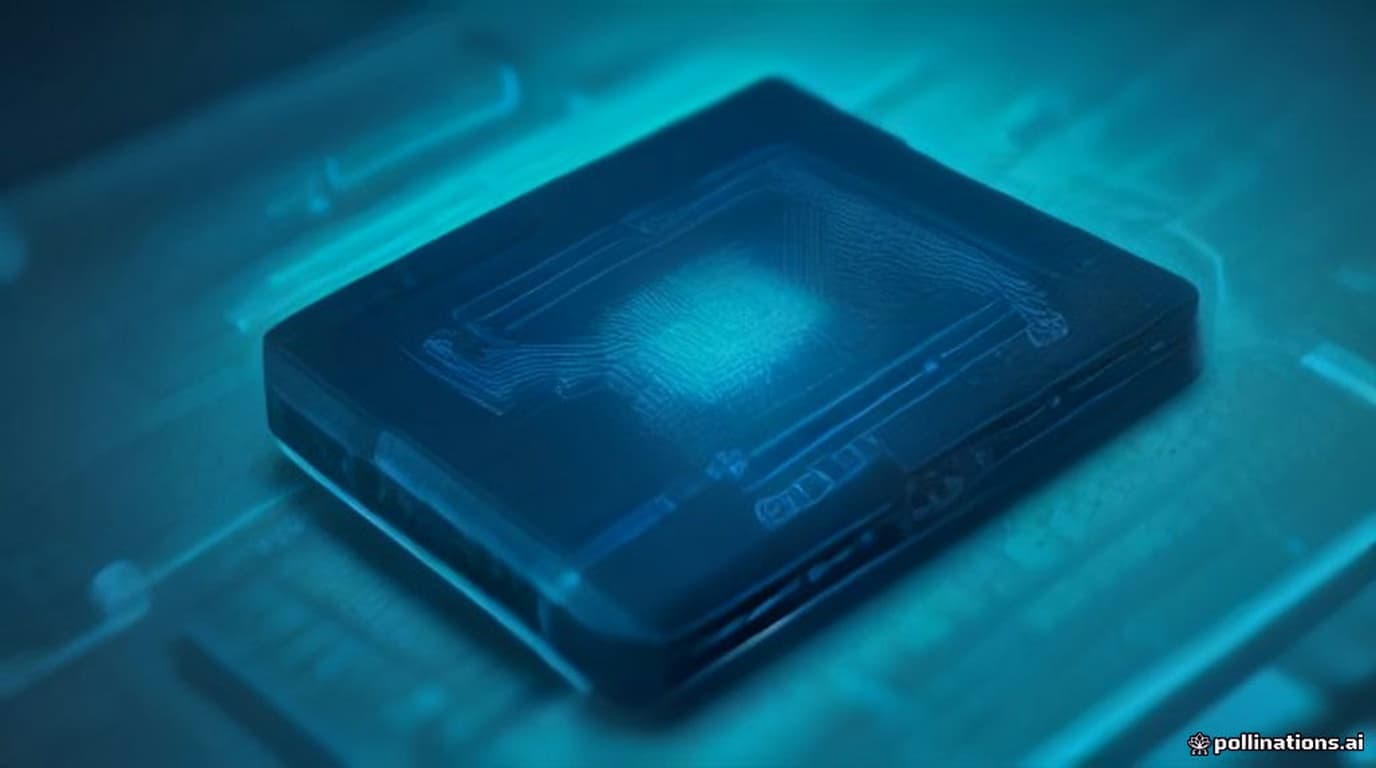
Securing cryptographic assets has long relied on hardware wallets as an impenetrable baseline. By isolating sensitive private keys and signing algorithms inside dedicated microcontrollers or secure elements removed from general-purpose operating systems, these physical devices are designed to thwart remote exploitation, memory scraping, and credential harvesting. However, as the physical attack surface matures, the fundamental assumptions governing hardware security perimeters face escalating risks. Ethereum co-founder Vitalik Buterin has raised critical concerns regarding the evolution of hardware wallet attack vectors, warning that physical tampering techniques may soon outpace existing detection methodologies.
Specifically, Buterin highlighted the looming danger of advanced lookalike integrated circuits engineered with hidden malicious functionality. Such sophisticated modifications could allow adversaries to execute silent key compromises or manipulate signing routines while presenting an appearance indistinguishable from genuine components under routine inspection. To counter these emerging vectors, Buterin advocates for the development and adoption of cryptographically verifiable microchips, establishing a verifiable provenance chain directly embedded within physical silicon.
The Mechanics of Lookalike Silicon and Covert Tampering
Traditional hardware security reviews often rely on passive verification mechanisms: checking holographic seals on device packaging, auditing printed circuit board (PCB) traces under optical microscopes, and inspecting packaging markings on microcontrollers. However, these checks operate on the assumption that malicious physical alterations will introduce detectable surface anomalies or require crude wire-wrapping modifications.
The threat model Buterin articulates addresses a much more dangerous tier of hardware compromise: lookalike chips. In this attack scenario, malicious actors do not merely tamper with firmware or alter external connections; they deploy functional clones or modified packages that match the pinout, package form factor, and standard operational behavior of authentic secure microcontrollers. Beneath the outer encapsulation, these chips can contain supplementary silicon dies or modified gate arrays capable of executing secondary, unauthorized functions.
Potential Failure Modes in Unverifiable Silicon
- RNG Degradation: Hardware random number generators (TRNGs) can be subtly biased to reduce entropy during key generation, allowing an attacker with prior knowledge of the seed bias to regenerate private keys deterministically.
- Side-Channel Exfiltration: Covert microcontrollers can modulate radio-frequency emissions, power draw, or electromagnetic signatures during transaction signing to leak key fragments across air-gapped perimeters.
- Firmware-Bypass Execution: Dedicated logic circuits can bypass internal bus encryption, extracting decrypted seed phrases from non-volatile storage during power-on initialization routines.
- Transaction Parameter Manipulation: Lookalike display or controller silicon can present an authentic-looking recipient address to the user while submitting an altered transaction payload to the cryptographic processor.
The Case for Cryptographically Verifiable Microchips
To eliminate the reliance on imperfect visual audits and fallible physical seals, security architectures must transition toward cryptographically verifiable chips. Verifiable silicon concepts aim to provide mathematical proof of an integrated circuit's design integrity and provenance before sensitive operations are entrusted to the device.
At its core, verifiable silicon leverages transparent hardware designs, open-source instruction set architectures (such as RISC-V), and embedded physical unclonable functions (PUFs). By interrogating the silicon through standardized attestation protocols, an external verifier or companion host device can validate that the hardware running the cryptographic operations matches its open specification and possesses unique, tamper-evident physical silicon signatures.
| Security Dimension | Conventional Hardware Wallets | Verifiable Silicon Framework |
|---|---|---|
| Component Provenance | Relies on closed vendor supply chains and opaque foundry audits | Cryptographic attestation tied directly to verifiable silicon signatures |
| Physical Tampering Detection | Visual inspection, tamper-evident packaging, optical PCB checks | Zero-knowledge proofs and hardware-level challenge-response PUFs |
| Architectural Transparency | Proprietary secure elements protected by strict non-disclosure agreements | Open, verifiable instruction architectures and auditable mask layouts |
| Resistance to Interdiction | Vulnerable to sophisticated supply-chain component substitution | Substituted or cloned components fail cryptographic integrity challenges |
Affected Deployments and Threat Exposure
The scope of this warning extends across all environments where high-value cryptographic credentials rely on physical hardware custody:
- Institutional Custody Infrastructure: Multi-signature signing pods, hardware security modules (HSMs), and cold-storage operations safeguarding large reserves.
- Retail Hardware Wallets: Consumer-tier hardware devices purchased through third-party distributors, e-commerce marketplaces, or exposed to physical intercept during transit.
- Embedded Cryptographic Modules: Specialized cryptographic processors deployed in decentralized infrastructure nodes, automated signing bots, and point-of-sale terminals.
The primary vector for lookalike chip deployment lies in supply-chain interdiction. Devices transiting customs facilities, intermediate sorting hubs, or compromised component manufacturing lines are inherently susceptible to component replacement by well-funded adversaries possessing surface-mount rework capabilities.
Practical Response and Defensive Recommendations
While the broader hardware industry works to commercialize fully verifiable silicon architectures, engineering teams, asset custodians, and end users must implement layered defensive strategies to mitigate single-device hardware risks.
1. Enforce Multi-Vendor, Multi-Party Computation (MPC)
Relying on a single hardware wallet vendor creates a catastrophic single point of failure if that vendor's supply chain is intercepted. Organizations should deploy multi-signature signing thresholds that require authorization from multiple distinct physical hardware architectures provided by separate, competing manufacturers.
2. Maintain Strict Chain-of-Custody Controls
Hardware signing devices must be procured exclusively through verified direct channels. Avoid secondary resellers or unverified intermediaries. Upon receipt, inspect packaging integrity and record baseline telemetry if non-destructive physical verification tools are accessible.
3. Implement Air-Gapped Transaction Verification
Ensure that transaction payloads are cross-verified across independent, isolated software environments. Using separate devices to parse raw unsigned transactions before transferring them to hardware signers prevents malicious display spoofing from silently executing unauthorized transfers.
What Remains Unknown
While the theoretical viability of lookalike silicon is well-established in advanced electronic counter-intelligence, public disclosure records currently lack specific confirmed incidents of widespread consumer hardware wallet subversion via cloned malicious chips. Furthermore, the development timelines and unit economics required to bring consumer-grade, fully auditable, verifiable silicon microcontrollers to market at scale remain unfinalized across the open-source hardware ecosystem.